Why Choose Insulating Wire for Electrical Applications?
Why Choose Insulating Wire for Electrical Applications?
Every electrical system depends on controlled current flow. Insulating Wire makes that control possible by surrounding the conductor with a protective, nonconductive layer. This layer separates copper or aluminum from nearby wires, metal frames, moisture, and human contact. In a crowded control cabinet, that separation can prevent a small fault from becoming a costly shutdown.
Dr. George G. Karady, a respected power-insulation researcher, expresses this engineering principle clearly: “Insulation is not a passive barrier; it is an active part of system reliability.” His observation reflects practical experience. Insulation affects voltage resistance, heat management, flexibility, chemical stability, and service life. A wire used beside a hot motor needs different protection from one installed inside a dry wall. The details matter.
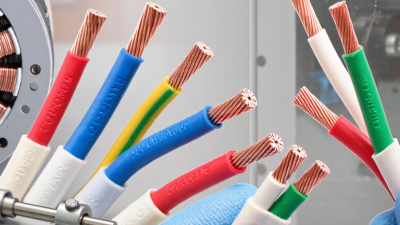
Insulating Wire also supports safer maintenance. Technicians can identify circuits more easily through color coding and durable jackets. Proper insulation reduces the chance of abrasion, short circuits, and accidental contact during installation. It can also help equipment perform consistently in demanding environments.
Still, insulation is not magic. Poor material selection, sharp bends, excessive heat, or careless stripping can weaken it. I have seen how a tiny nick near a terminal can become a serious weakness over time. That detail is easy to miss.
Choosing the right Insulating Wire requires more than checking its appearance. Engineers should review voltage ratings, temperature limits, conductor size, flexibility, environmental exposure, and applicable testing requirements. Reliable performance begins with evidence, careful installation, and a willingness to question assumptions. Safety improves when every layer is treated as part of the electrical design.
What Is Insulating Wire?
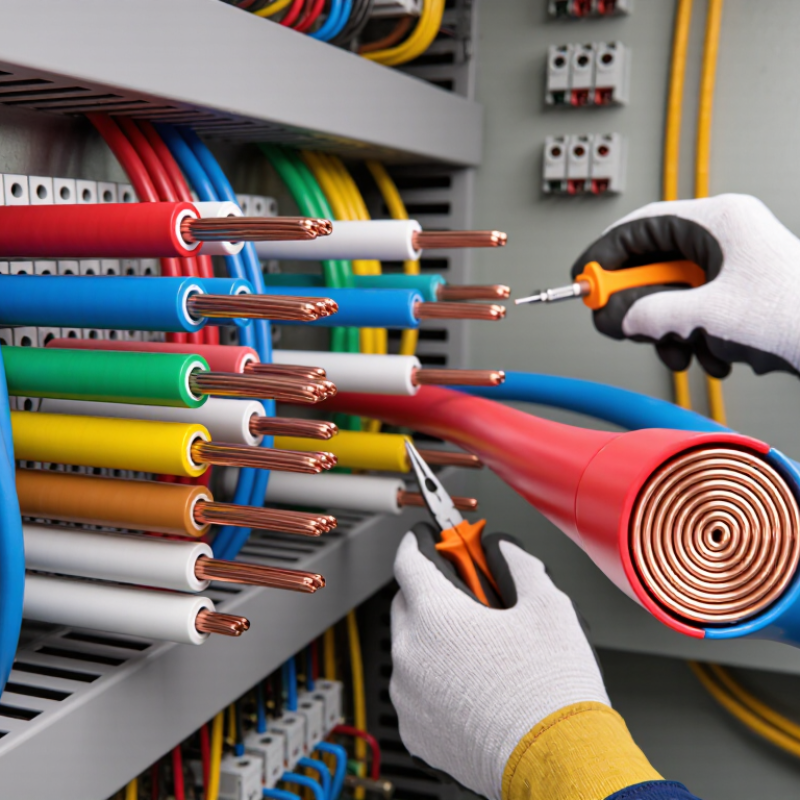
Insulating wire is a conductor covered by a nonconductive layer, usually plastic, rubber, or a similar engineered material. The metal core carries current. The insulation keeps that current in its intended path. It also separates adjacent conductors from each other and from grounded surfaces. Simple, but critical.
A wire’s insulation is selected for voltage, temperature, moisture, chemicals, movement, and installation conditions. For example, a cable above a warm motor needs stronger thermal resistance than one inside a cool wall. Standard markings show conductor size, voltage rating, temperature limits, and insulation type. Never treat the covering as decoration. A small cut near a terminal can expose metal, invite arcing, and create a serious fault.
The International Energy Agency reported that global electricity demand increased by about 2.2% in 2023 and forecasts average annual growth of 3.4% from 2024 through 2026. More connected equipment makes dependable wiring increasingly important. The National Fire Protection Association’s recent residential fire research also lists electrical distribution and lighting equipment among significant fire-related equipment categories. Insulation helps reduce contact faults, leakage, and heat-related damage, when correctly specified and installed.
It is not magic.
Field conditions can defeat good materials. Tight bends, crushed cable, sunlight, moisture, and repeated flexing may shorten service life. A manufacturer’s datasheet and applicable electrical code should guide every selection. I still find this point easy to overlook: the best insulation cannot compensate for poor routing or an oversized protective device.
How Does Insulating Wire Protect Electrical Systems?
Why Choose Insulating Wire for Electrical Applications?
How Does Insulating Wire Protect Electrical Systems?
Insulating wire places a controlled barrier between the conductor and its surroundings. This coating helps prevent current from reaching nearby metal, people, or other circuits. In practical installations, that barrier must withstand heat, moisture, vibration, and repeated bending. A damaged jacket can expose copper within a surprisingly small area.
During electrical inspections, technicians often check for cracks, flattening, discoloration, and loose connections. These details matter because insulation can deteriorate before a fault becomes visible. PVC, silicone, rubber, and cross-linked materials offer different temperature and flexibility ranges. The correct choice depends on voltage, installation space, movement, and exposure conditions.
Small defects matter.
Insulation also limits short circuits between adjacent conductors. It supports cleaner cable routing and reduces the chance of arcing inside crowded panels. However, insulation is not magic. Excessive heat, sharp edges, chemical contact, or incorrect stripping can weaken it over time. I have seen a cable appear sound while its outer layer had hardened near a hot terminal. That kind of condition deserves careful testing, not guesswork.
Reliable work follows the wire manufacturer’s technical data and applicable electrical standards. Installers should use suitable tools, maintain bend-radius requirements, and replace damaged sections instead of hiding them with casual repairs. Visual checks help, but resistance and insulation tests can reveal problems that the eye misses. Even a well-designed system needs periodic inspection, because operating conditions rarely remain perfect.
Why Choose Insulating Wire for Electrical Applications?
Insulating wire protects electrical systems by separating the conductor from people, nearby conductors, and grounded surfaces. The chart compares typical maximum continuous conductor temperature ratings for common insulation materials. Higher temperature capability can help reduce insulation aging and maintain reliable operation when properly matched to the cable design, current load, and applicable electrical standard.
Typical values shown: actual ratings vary by cable construction, installation method, voltage class, and local standards.
What Are the Main Types of Insulating Wire?
Insulating wire is not one material with different colors. Its insulation controls heat, moisture, flexibility, and electrical safety. The International Energy Agency’s Electricity 2024 report projects global electricity demand to grow by 3.4% annually through 2026. More equipment will require better-matched wiring.
PVC-insulated wire suits general building circuits and dry indoor spaces. It is affordable, easy to strip, and widely specified under IEC 60227.
XLPE-insulated wire tolerates higher temperatures and supports demanding power distribution. IEC 60502 covers many low- and medium-voltage cable designs using this insulation.
Rubber-insulated wire remains useful where movement, vibration, or outdoor exposure matters. It bends well.
Fluoropolymer insulation handles heat, chemicals, and tight spaces, making it valuable in sensors and control systems.
Enamelled magnet wire uses a thin coating around copper or aluminum conductors. Motors and transformers depend on it.
Mineral-insulated wire offers strong fire resistance and mechanical protection, but installation requires greater care.
Choosing the type requires more than checking voltage. Review conductor temperature, current load, bending radius, moisture, abrasion, and fire conditions. IEC 60245 addresses several rubber-insulated cable categories.
Field inspections often reveal damage near terminals, where heat concentrates. That detail is easy to miss. I have seen specifications favor a higher temperature rating while ignoring poor flex life. That choice can still fail. Standards provide a reliable baseline, but measured site conditions and a second technical review should guide the final selection.
Where Is Insulating Wire Used?
Insulating wire is used wherever electrical current needs a controlled and protected path. Its outer insulation helps prevent accidental contact, short circuits, moisture damage, and heat-related deterioration. The correct choice depends on voltage, temperature, movement, and the surrounding environment.
In residential buildings, insulating wire runs inside walls, ceilings, switches, sockets, and lighting circuits. Electricians often pull it through plastic or metal conduits, leaving enough space to avoid sharp bends and damaged surfaces. It also appears in appliances, control panels, battery systems, and small electronic equipment. A crowded panel can expose weak points.
Industrial facilities use insulated conductors in motors, pumps, automation cabinets, sensors, and production machinery. Flexible insulated wire is useful near moving parts, while heat-resistant types suit ovens, heaters, and engine compartments. Outdoor installations may require insulation that tolerates sunlight, rain, oil, or changing temperatures. Moisture can enter through a small cut.
Insulating wire is also common in vehicles, elevators, renewable-energy equipment, and temporary testing setups. During installation, technicians check the insulation for cracks, flattening, loose connections, and unsuitable routing. They also match the wire size with the expected current and protective device. This step seems basic, yet it is often rushed. A wire that works in a dry room may fail in a hot, vibrating enclosure. Careful inspection and compliance with local electrical standards make the application safer and more dependable.