Top 10 Uses of Paper Covered Wire You Need to Know?
In the realm of electrical engineering, "Paper Covered Wire" has always been a pivotal component. Renowned expert, Dr. Emily Carter, once stated, "The versatility of paper covered wire is unmatched in specialized applications." This statement resonates with many in the industry today.
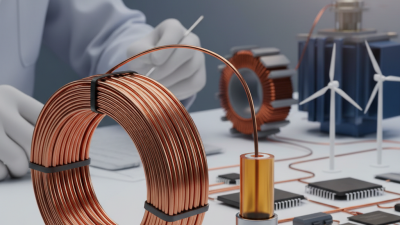
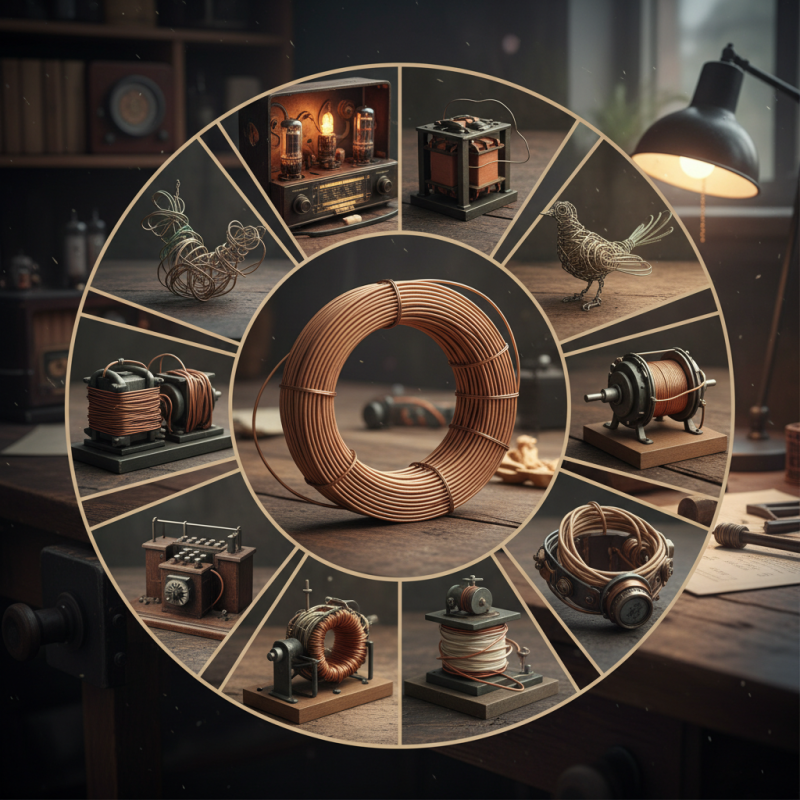
Paper covered wire offers practical solutions for various needs. It is used in transformers, motors, and handmade crafts. Each application showcases its unique benefits. For instance, in vintage radio equipment, its insulation ensures efficient signal transmission. However, not all applications exploit its potential fully. Many overlook its historical value.
Exploring the top 10 uses of paper covered wire reveals its true power. It serves in both modern technology and retro designs. This wire may seem outdated to some, yet it offers charm and functionality. As industries evolve, we must reflect on how this humble material can innovate our designs and applications.
Applications in Electrical Insulation and Wiring
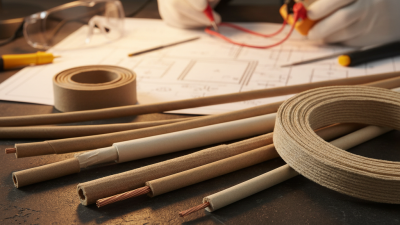
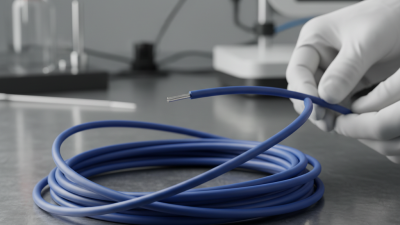
Paper covered wire is widely used in various electrical insulation and wiring applications. Its lightweight and flexible nature makes it an excellent choice in many scenarios. This wire has a paper insulation that is often treated to enhance its durability and resistance to environmental factors. Ideal for low-voltage applications, it excels in providing the necessary insulation between conductors.
In motors and transformers, paper covered wire plays a crucial role. The insulation withstands high temperatures, making it suitable for winding applications. It helps maintain the integrity of electrical circuits. Additionally, this type of wire is used in lighting fixtures, ensuring proper insulation while keeping the design neat. Aesthetics matter in many projects, and the smooth finish of paper covered wire can often elevate the visual appeal of an installation.
There are challenges, however. Paper insulation can be susceptible to moisture if not properly shielded. In outdoor applications, this might lead to premature failure. Engineers must consider this potential drawback when selecting materials. Balancing aesthetics and function can sometimes lead to difficult choices. The use of paper covered wire in modern electrical systems should not be overlooked, despite its imperfections.
Uses in Crafting and Artistic Projects
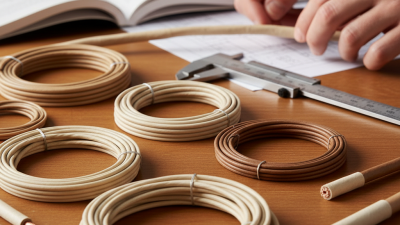
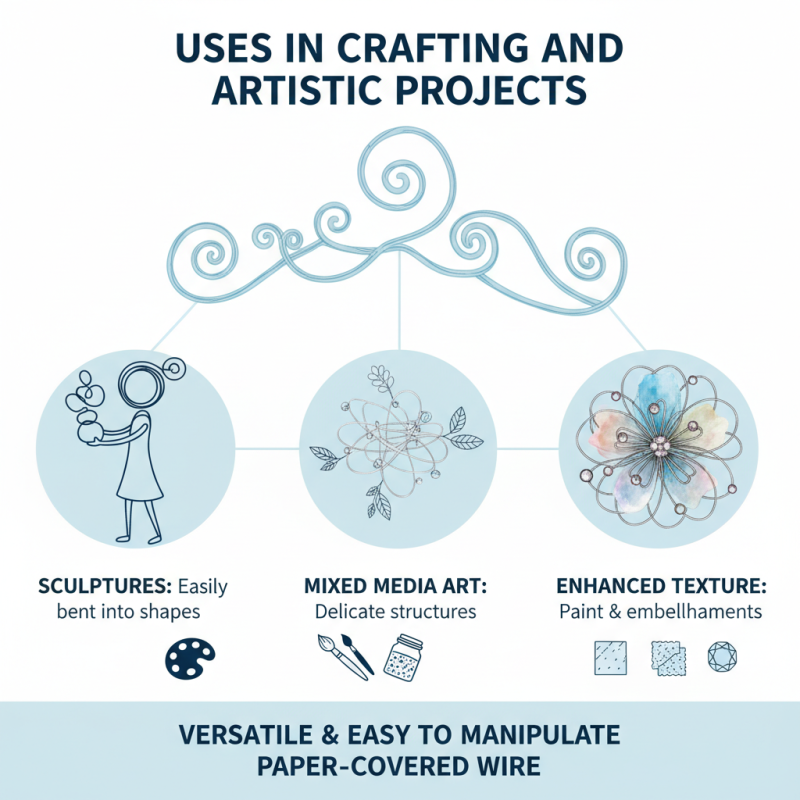
When it comes to crafting and artistic projects, paper-covered wire is truly versatile. This type of wire is easy to manipulate, making it ideal for various creative endeavors. You can bend it into shapes for sculptures or create delicate structures for mixed media art. The paper covering adds a unique texture that paint and embellishments can enhance.
For those who enjoy handmade crafts, adding paper-covered wire to projects can elevate the result. You can create custom jewelry, like earrings or necklaces, that stand out. The wire can be twisted and wrapped to form intricate designs, blending color and form beautifully. Sometimes, it's the imperfections in these handmade pieces that make them special. They tell a story and show the artist's process.
In floral arrangements, this wire plays a crucial role too. It can help shape stems and support blooms. You might find that sometimes the wire shows through, creating an unexpected look. It's okay to embrace these happy accidents. The spontaneity can lead to creative breakthroughs in your work. Paper-covered wire opens up a world of possibilities for artists and crafters alike.
Role in Industrial and Manufacturing Processes
Paper covered wire plays a significant role in various industrial and manufacturing processes. Its versatility makes it suitable for numerous applications. The wire's insulation offers durability, which is essential in high-demand environments. For instance, it can be used in the assembly of motors, transformers, and other electrical components.
Tips: Always check the quality of the paper insulation. Poor quality can lead to failures in equipment. Ensure that the wire meets the required specifications to avoid costly errors.
Additionally, paper covered wire is often chosen for its eco-friendly properties. Unlike plastic coatings, paper is biodegradable. This aspect can be beneficial for companies aiming for sustainable practices. When wiring complex machinery, using this type of wire may reduce environmental impact.
Tips: Consider how much waste you generate during manufacturing. Opting for more sustainable materials might minimize your carbon footprint. Evaluate your processes regularly to find areas for improvement.
Importance in Automotive and Aerospace Industries
In the automotive and aerospace industries, paper-covered wire plays a crucial role. This wire is lightweight yet durable, making it ideal for various applications. Electric systems in cars and aircraft use this wire to reduce overall weight, enhancing fuel efficiency. Paper insulation provides better heat resistance compared to other materials. It can withstand high temperatures and harsh environments, which is vital for safety.
However, not every aspect of paper-covered wire is perfect. The manufacturing process can be inconsistent, sometimes leading to quality control issues. Engineers must continuously evaluate its performance in real-world conditions. There are concerns about its long-term durability when exposed to moisture. This indicates a need for further testing and innovation.
Despite these drawbacks, many engineers still rely heavily on paper-covered wire. It often forms the backbone of essential systems. Whether in a complex aircraft circuit or the electrical harness of a vehicle, its uses are manifold. Striking the right balance between weight, durability, and reliability remains an ongoing challenge in these industries.
Top 10 Uses of Paper Covered Wire in Automotive and Aerospace Industries
Benefits in Home Improvement and DIY Projects
When it comes to home improvement and DIY projects, paper-covered wire offers numerous benefits. This versatile material is lightweight, flexible, and easy to handle. According to industry research from the National Building Materials Association, the use of paper-covered wire in residential wiring has increased by 15% in recent years. This is largely due to its cost-effectiveness compared to traditional wiring options.
One of the standout features of paper-covered wire is its ability to insulate against moisture. This makes it ideal for projects in areas with higher humidity. For instance, you can use it for lighting installations in bathrooms or kitchens. Just ensure proper connections to prevent potential short circuits. Another benefit is its aesthetic appeal; these wires can blend seamlessly with various décor styles.
**Tip:** When working with paper-covered wire, always wear gloves. The surface can have jagged edges that might irritate your skin.
Remember to check local codes. While paper-covered wire is popular, not all areas permit its use for certain applications. It’s important to assess your specific project needs. Furthermore, this material can be difficult to work with in tight spaces. Patience is key, and sometimes a second pair of hands helps.
**Tip:** If you’re in a narrow area, consider pre-measuring the wire. This saves time and reduces frustration.