2026 How to Choose the Right Paper Coated Electrical Wire for Your Needs?
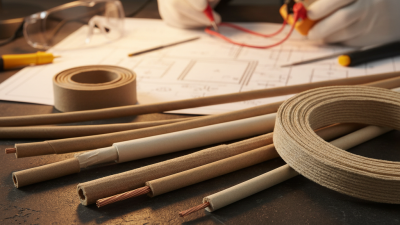
Choosing the right paper coated electrical wire can be a challenging task. These wires have unique properties that suit various applications. They provide excellent insulation and protection, making them ideal for specific environments. However, not all paper coated electrical wires are created equal.
Different projects require different types of wires. You must consider the wire's thickness, insulation quality, and temperature range. These factors can impact efficiency and safety. Often, people make mistakes by selecting wires based solely on cost. This can lead to issues down the road. It’s crucial to assess your specific needs.
Understanding your application is key. The wrong choice can result in inefficient performance or even safety hazards. When selecting paper coated electrical wire, thorough evaluation is essential. Don’t just focus on the specifications. Think about the environment and how the wire will be used. This reflection will help you choose wisely.
Understanding the Basics of Coated Electrical Wire
Coated electrical wire plays a vital role in various electrical applications. Understanding its basics helps you make informed choices. The coating material affects the wire's durability, flexibility, and insulation. Common coatings include PVC, rubber, and nylon. Each has strengths and limitations. For instance, PVC offers good insulation, but it may not handle high temperatures well.
When selecting coated wire, consider the environment it will be used in or where it will be installed. If it’s exposed to moisture, a water-resistant coating is essential. A wire used in harsh chemicals will need a different coating than one used indoors. This decision impacts both safety and performance.
Tips: Always check the wire's temperature rating. It helps avoid overheating issues. Choose a wire with good flexibility for tight spaces. Don't overlook the importance of a secure connection between wires. A loose connection can lead to frequent failures. Sometimes, you might find that a wire you choose isn't perfect for your application. Keep an open mind to switch if needed.
Choosing the Right Paper Coated Electrical Wire: Material Breakdown
Types of Coatings Used in Electrical Wire
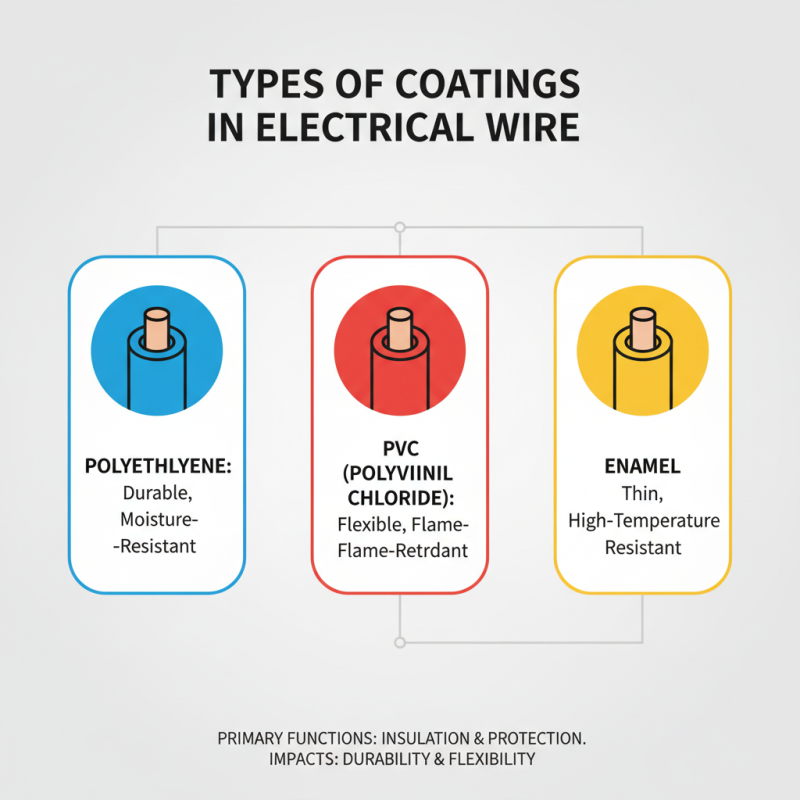
When choosing paper coated electrical wire, the type of coating plays a crucial role. Various coatings are used, each offering unique properties. Some common types include polyethylene, PVC, and enamel. These coatings provide insulation and protection from environmental factors. They impact durability and flexibility, which are essential for different applications.
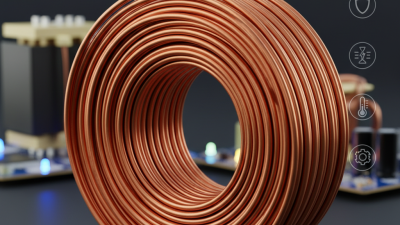
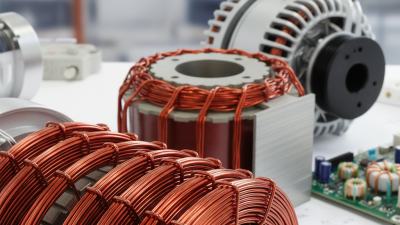
Polyethylene is often chosen for its moisture resistance. It's lightweight and provides good electrical insulation. However, it may not hold up well in extreme heat. PVC, on the other hand, is widely used due to its versatility. It's durable and resistant to chemicals, but it can be less flexible in cold temperatures. Enamel coatings are often applied to magnet wire. They offer excellent thermal properties but may require special handling to avoid damage.
Selecting the right coating can be challenging. Each option has its strengths and weaknesses. It's crucial to consider your specific needs and environment. Sometimes, the wrong choice can lead to failures in performance. Reflecting on your application can lead to smarter selections.
Factors to Consider When Selecting Coated Electrical Wire
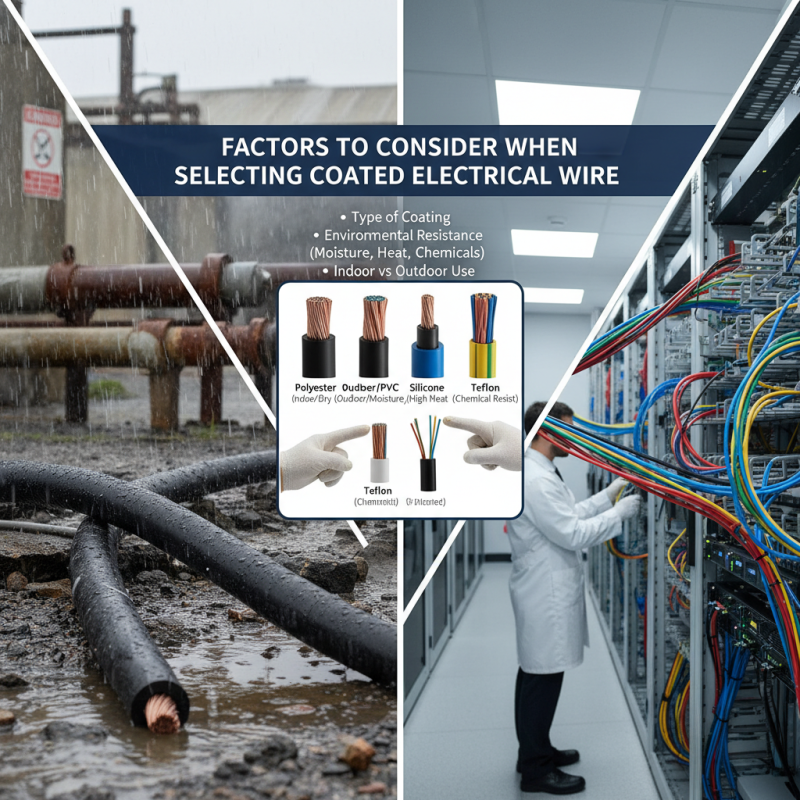
When selecting coated electrical wire, several factors come into play. The type of coating is crucial. Different materials offer varied protection levels against moisture, chemicals, and heat. Polyester, for example, is popular for its durability. But is it suitable for your environment? Consider where you will use the wire. Outdoor settings require more robust options than indoor areas.
Another factor to assess is the wire gauge. Thicker wire can handle more current but may be less flexible. Ensure you choose a gauge that fits your application. Safety is paramount. Too thin a wire can overheat and cause damage. Reflect on the specific needs of your project. Are you connecting heavy machinery or a light fixture?
Finally, pay attention to standards and certifications. Coated wires should meet specific safety criteria. Not all products are created equal. Look for documentation that verifies quality. Making the right choice may require testing various options. It’s okay to reevaluate your choice later. An initial decision isn't always final. Careful consideration now can save headaches down the line.
Applications and Industries Benefiting from Coated Wires
Coated electrical wires are widely used in many industries. From automotive manufacturing to renewable energy, their applications are numerous. For instance, the automotive sector utilizes coated wires for insulation and protection against environmental factors. According to a report by Grand View Research, the global automotive wire and cable market is projected to reach USD 30 billion by 2025. This highlights the growing importance of quality coated wires in maintaining vehicle safety and performance.
The renewable energy sector also benefits significantly from these wires. Coated electrical wires are essential in solar panel installations and wind turbines. They provide necessary insulation and resistance against moisture. A study from Research and Markets states that the demand for wires in the renewable sector is expected to increase at a CAGR of 9.8% from 2021 to 2028. This trend reinforces the need for businesses to focus on sourcing the right coated wires for their projects.
However, it’s crucial to acknowledge the challenges faced in this field. Not all coated wires are created equal, and product variability can lead to performance issues. The choice of coating material greatly impacts durability and flexibility. Companies often need to reflect on their specific requirements, ensuring they select wires that will withstand harsh conditions without compromising efficiency.
2026 How to Choose the Right Paper Coated Electrical Wire for Your Needs? - Applications and Industries Benefiting from Coated Wires
| Application |
Industry |
Wire Type |
Benefits |
| Automotive Wiring |
Automotive |
PVC Coated Wire |
Heat Resistance |
| Marine Applications |
Marine |
Tinned Copper Wire |
Corrosion Resistance |
| Construction Wiring |
Construction |
Paper Insulated Wire |
Lightweight and Flexible |
| Electrical Appliances |
Consumer Electronics |
Silicone Coated Wire |
High Temperature Tolerance |
| Aerospace Applications |
Aerospace |
Polyimide Coated Wire |
Fire Resistance |
Tips for Sourcing and Purchasing Quality Coated Electrical Wire
When sourcing coated electrical wire, quality is paramount. Look for wires that meet industry standards like ASTM and UL. These certifications ensure safety and performance. For instance, a recent industry report from the International Wire and Cable Manufacturers suggests that 70% of electrical failures relate to inferior quality materials.
Consider the insulation type. PVC is common but not always the best choice for high-temperature environments. According to a study by the National Electrical Manufacturers Association, wires with high-temperature insulation show a 30% decrease in insulation breakdown over time. This is essential for long-term reliability.
Be mindful of sourcing practices. Not all suppliers maintain high standards. A lack of transparency in sourcing can lead to unexpected failures. Inspecting samples before large orders can mitigate risks. While it may seem tedious, investing time in quality checks ultimately pays off. Understanding your specific needs and aligning them with reputable sources is key to making informed choices.