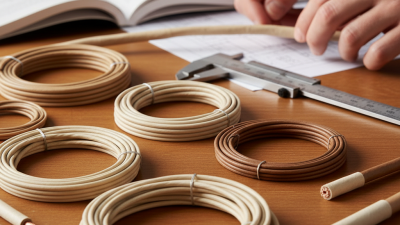
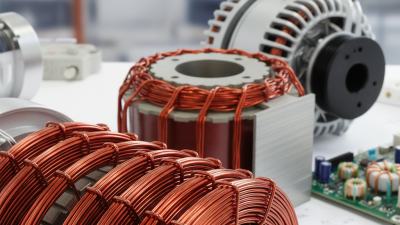
Digital Tips for Choosing the Best Paper Coated Electrical Wire?
When selecting Paper Coated Electrical Wire, it is essential to consider several factors to ensure optimal performance. The electrical wire industry has seen significant growth, with a projected increase to $203 billion by 2027, according to industry reports. This rising demand highlights the need for reliable materials that meet safety standards and performance expectations.
Paper Coated Electrical Wire offers unique advantages, including excellent thermal resistance and electrical insulative properties. These wires often comply with stringent UL standards, ensuring safety and reliability in various applications. However, choosing the right type can be challenging. Many suppliers provide different grades and coatings, which can affect the wire's performance in specific environments.
Selecting the best Paper Coated Electrical Wire involves understanding your project's requirements and the wire’s specifications. It may be tempting to prioritize price over quality, but this can lead to performance issues. Conduct thorough research and seek advice from professionals to make informed decisions. Investing time in this process can result in better long-term performance and safety.
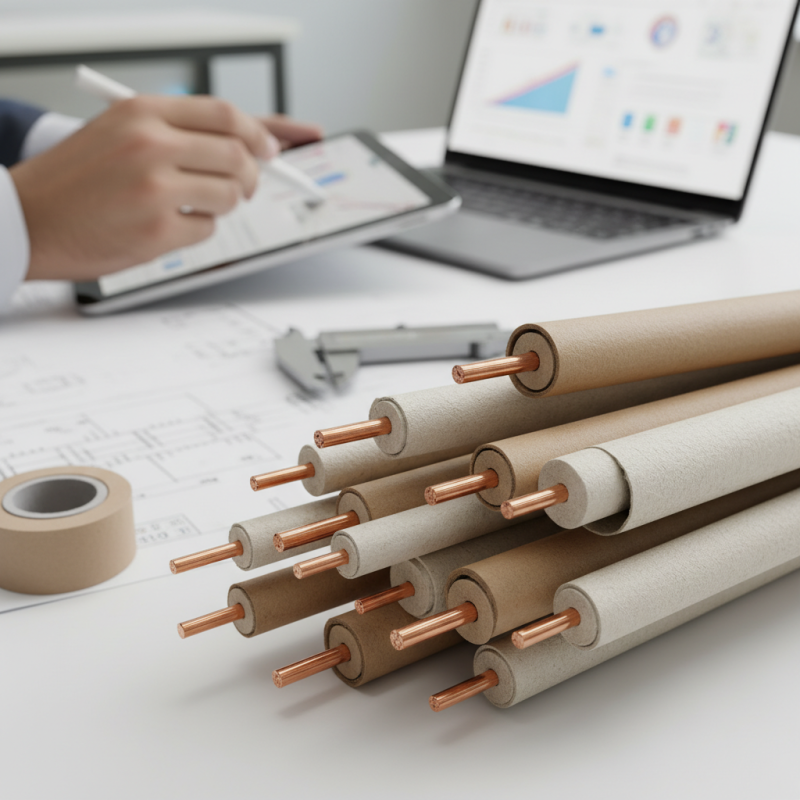
Understanding Paper Coated Electrical Wire: Overview and Benefits
Paper-coated electrical wires offer unique benefits for various applications. They provide excellent insulation and are often lightweight, which can enhance durability while minimizing energy loss. According to an industry report by the International Electrotechnical Commission, paper-coated wires show a lower failure rate in high-voltage applications compared to synthetic alternatives. They can withstand temperatures up to 150°C, ensuring reliability in demanding environments.
When selecting paper-coated electrical wire, consider a few essential tips. Choose wires with a consistent coating thickness to ensure uniform insulation properties. Check for any environmental certifications that guarantee safety and sustainability. It's also crucial to evaluate the wire's compatibility with your specific application, as not all paper coatings are suitable for every situation.
Another aspect to think about is the wire's resistance to chemical exposure. Some paper coatings might deteriorate when exposed to certain substances. A study by the IEEE reveals that wires designed for specific industrial environments show significant improvement in performance. Additionally, it's wise to consult with professionals who understand your needs. Relying on expert advice can help avoid costly mistakes in your wiring choices.
Key Factors to Consider When Selecting Paper Coated Electrical Wire
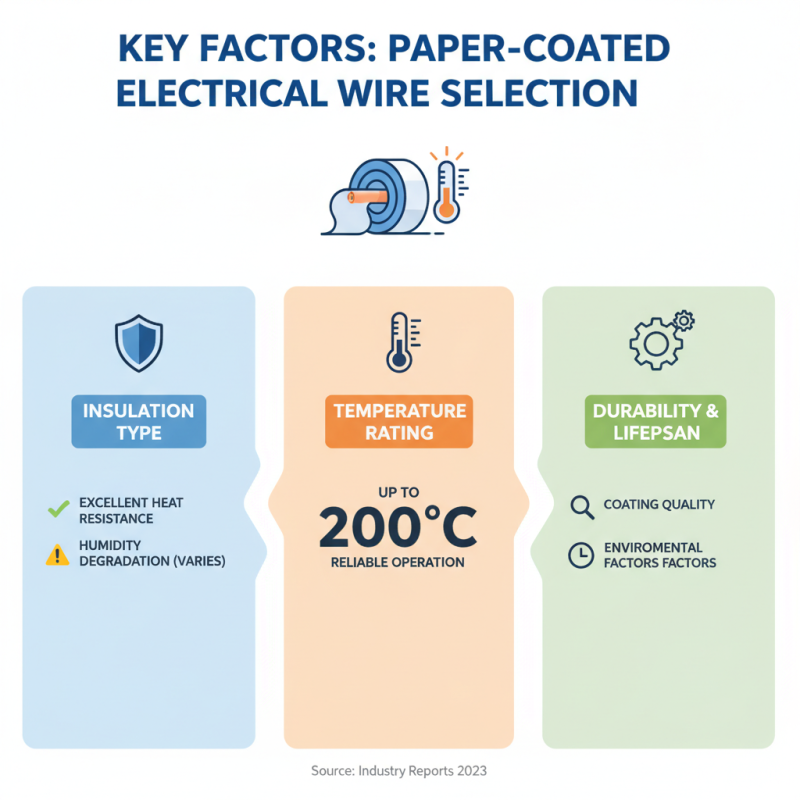
Choosing the right paper coated electrical wire involves several key factors. First, consider the type of insulation. Paper coating offers excellent heat resistance. However, not all paper coatings are created equal. Some may degrade faster in high humidity environments. Understanding the temperature rating is crucial. Reports indicate that wires should operate reliably at temperatures up to 200°C.
Another vital aspect is the wire's flexibility. This characteristic affects installation. Wires that are too rigid can lead to complications during setup. Data shows that a flexible wire increases efficiency, especially in tight spaces. Users often overlook the thickness of the wire. Thicker wires provide better conductivity, but they also increase weight. Balancing these factors is essential for optimal performance.
Lastly, it's essential to evaluate the wire's application. Different projects may require specific characteristics. For instance, vintage electrical systems often use paper insulated wire. However, many consumers may not realize the proper maintenance required to prolong their life. An article from the Electrical Safety Foundation reveals that neglecting upkeep can lead to significant safety hazards. Taking time to analyze these elements can yield better results.
Comparison of Different Types of Paper Coatings for Electrical Wires
When selecting paper coated electrical wires, understanding the nuances of different paper coatings is crucial. The main types include natural paper, resin-treated paper, and hybrid coatings. Natural paper provides decent insulation but might not withstand high humidity. This type can absorb moisture, leading to potential failures. In contrast, resin-treated paper offers enhanced durability and moisture resistance. It typically lasts longer but can be more expensive.
Hybrid coatings combine various materials to optimize performance. They balance affordability with excellent electrical insulation. However, their effectiveness can vary based on the manufacturing process. You might find inconsistencies in quality, which makes thorough research essential. Evaluating a wire’s intended application is also important. For example, some coatings perform better in low-voltage environments while others excel in high-voltage settings.
While shopping for coated wires, consider consulting with professionals in the field. Their insights can help you navigate through the choices available. Look into the specifications of wire coatings and ask about performance in real-world scenarios. Testing samples before large-scale purchases can also guide your decision. This approach requires careful evaluation but can lead to more informed choices over time.
Tips for Identifying Quality and Performance in Paper Coated Wires
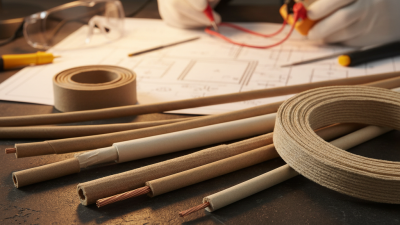
When selecting paper coated electrical wire, understanding quality and performance is crucial. Paper coated wires are often used in applications like transformers and motors. Their insulation properties play a key role in performance under varying conditions.
To identify quality paper coated wires, check the coating thickness. A thicker coating often indicates better insulation and durability. Inspect the wire's texture. A smooth finish usually suggests consistent manufacturing processes. Additionally, perform a flexibility test. If the wire bends easily without breaking, it hints at good quality.
Consider the environmental conditions where the wires will be used. Some coatings withstand moisture better than others. Always look for certifications that assure compliance with safety standards. This adds a layer of trust in the product's reliability. Remember, not all paper coated wires are created equal. Research and examine different options before making a decision.
Digital Tips for Choosing the Best Paper Coated Electrical Wire
| Attribute |
Description |
Quality Indicator |
| Coating Material |
Types of paper coatings used |
High durability and resistance to environmental factors |
| Insulation Thickness |
Thickness of the insulating layer |
Greater thickness offers higher safety and performance |
| Temperature Rating |
Maximum operating temperature |
Higher ratings indicate better performance under heat |
| Wire Gauge |
Thickness of the wire |
Thicker gauges generally support higher current loads |
| Flexibility |
Ability to bend without damage |
Higher flexibility allows for easier installation |
| Chemical Resistance |
Resistance to various chemicals |
Indicators of longevity in diverse environments |
Common Applications and Uses for Paper Coated Electrical Wire
Paper coated electrical wire finds its place in various applications due to its unique properties. This type of wire is commonly used in electric motors, transformers, and capacitors. Its paper insulation allows for effective heat dissipation, which enhances performance. According to industry reports, about 30% of electrical equipment relies on high-quality coated wires to ensure reliable operation.
In the realm of domestic appliances, these wires play a significant role. They are often used in heating elements and sound systems, where safety and efficiency are paramount. The paper insulation offers a superior dielectric strength, reducing the risk of short circuits. Additionally, many manufacturers report that wires with paper coating exhibit a longer lifespan than their plastic counterparts due to better thermal stability.
However, not all applications suit paper coated wires. Environments with high humidity or exposure to chemicals can lead to deterioration. Conductive copper wire used in harsh conditions often requires enhanced coatings. Thus, choosing the right insulating material is essential. The electrical industry continues to research better materials to balance reliability, cost, and performance.