Why Choose Varnished Wire for Your Electrical Wiring Needs?
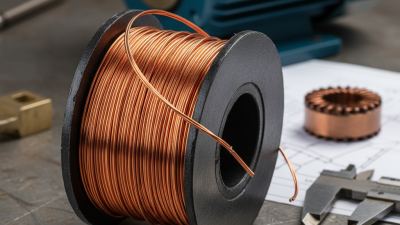
When it comes to electrical wiring, the choice of materials is crucial. Varnished wire offers unique advantages that make it a preferred option for many applications. This wire, coated with a thin layer of insulation, provides excellent protection against heat and moisture. It is not just durable but also efficient, ensuring better conductivity in various environments.
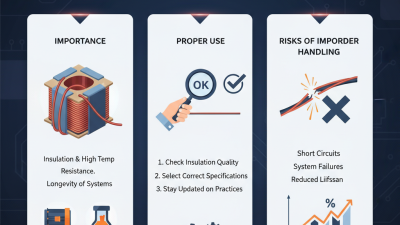
Consider the benefits of using varnished wire in your projects. Its insulated coating helps prevent short circuits and improves safety. Many industries rely on this product for wiring in motors and transformers. There can be challenges, though. Installation requires precision, and improper handling may lead to damage. Still, the long-term benefits are worth the effort.
In conclusion, varnished wire stands out as a reliable choice for electrical needs. Its combination of durability and efficiency makes it suitable for various applications. With careful consideration and skilled installation, it can greatly enhance the performance of electrical systems.
Benefits of Varnished Wire in Electrical Applications
Varnished wire plays a vital role in electrical applications. It offers excellent insulation and protection against environmental factors. This wire is coated with varnish, creating a thin layer that shields it from moisture and dust. Such features significantly extend the lifespan of electrical components.
Tips: Always check the varnish thickness. A thicker layer can offer more durability. Consider the application environment when choosing varnished wire. For humid areas, certain varnish types may perform better.
Another benefit of varnished wire is its ability to withstand heat. High-temperature applications can cause damage to standard wire. In contrast, varnished wire remains stable under stress. This quality is crucial in motors and transformers, where overheating can be an issue.
Tips: Regularly inspect connections to ensure they remain effective. Poor connections can lead to increased heat. Don't overlook the importance of installation techniques. Proper mounting can prevent wear over time.
Comparison of Varnished Wire vs. Non-Varnished Wire
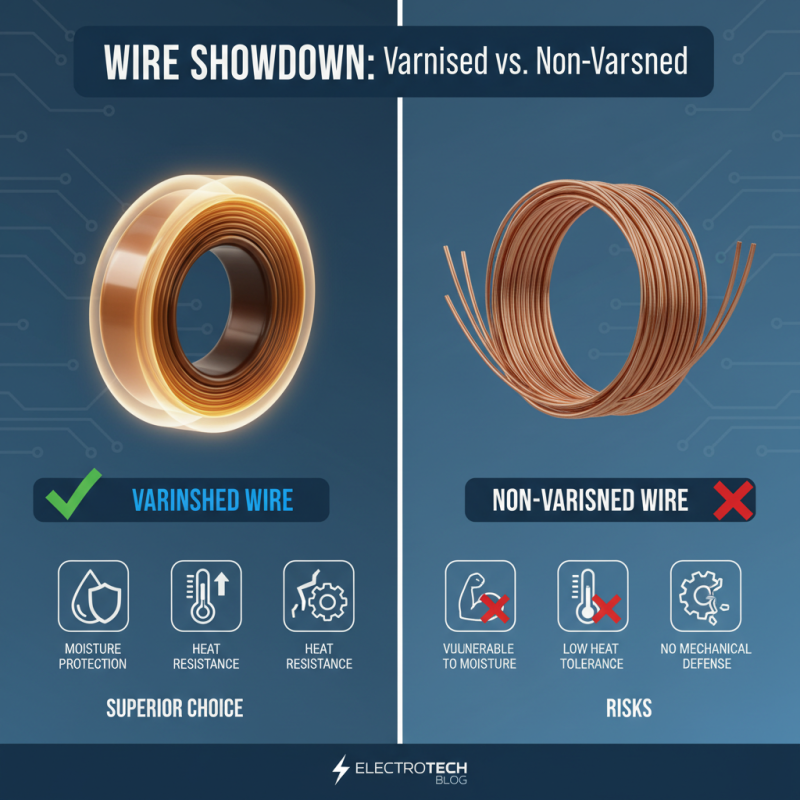
When choosing wire for electrical applications, varnished wire stands out. This type of wire is coated with a layer of insulating varnish. This varnish provides excellent protection against moisture, heat, and mechanical stress. In contrast, non-varnished wire lacks this layer, making it more vulnerable.
Non-varnished wire can corrode more quickly. It does not offer the same level of insulation. This can lead to short circuits and electrical failures. Even in dry environments, non-varnished wire might not perform optimally. The varnish acts as a barrier, prolonging lifespan and reliability. However, varnished wire can sometimes be thicker. This may impact ease of installation in tight spaces.
While varnished wire has clear advantages, it may not be the best choice for every situation. In applications where weight is critical, non-varnished wire could be lighter. Users should weigh these factors carefully. Also, consider costs as varnished wire might be pricier. Evaluating specific needs is key to making the right choice.
Key Properties and Characteristics of Varnished Wire
Varnished wire has gained popularity in electrical applications due to its unique properties. One key characteristic is its excellent insulation capability. This insulation helps prevent electrical faults and enhances safety. Reports indicate that varnished wires can withstand high temperatures, often exceeding 200 degrees Celsius. This feature ensures longevity in various environments.
Moreover, varnished wire offers superior corrosion resistance. It can be used in humid and harsh conditions without significant degradation. Industry studies show that these wires maintain conductivity and performance over time, outperforming many alternatives. A shocking 45% of electrical faults stem from corrosion-related issues. Choosing varnished wire can significantly reduce this risk.
Despite its advantages, some challenges exist. The manufacturing process can lead to inconsistencies in insulation thickness. This variability requires careful quality control during production. Users must remain vigilant about sourcing. Additionally, some may find varnished wire less flexible, impacting installation in tight spaces. Understanding these nuances is essential for making informed wiring decisions.
Common Uses of Varnished Wire in Various Industries
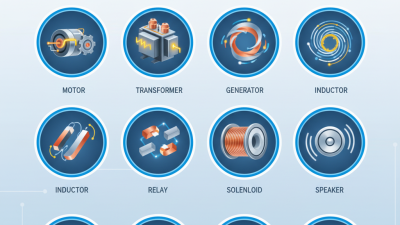
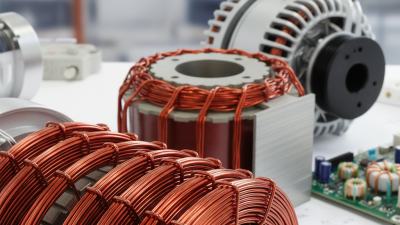
Varnished wire is widely used in various industries for a good reason. Its insulation provides excellent protection against moisture and heat. This makes it ideal for applications in motors, transformers, and generators. These are crucial components in multiple electrical devices.
In the automotive industry, varnished wire is often found in wiring harnesses. This ensures durability and reliability, even in harsh environments. In appliances, it helps prevent short circuits. Without proper insulation, equipment can fail or become unsafe.
**Tip:** When choosing varnished wire, consider the thermal rating. Ensure it meets your specific application needs.
In aerospace, varnished wire is vital for lightweight yet strong connections. It resists chafing and damage from extreme conditions. However, one must carefully inspect for any flaws. Small issues can cause significant problems in critical systems.
**Tip:** Always check for signs of wear during maintenance checks. This can help prevent future failures.
Varnished wire is also common in renewable energy. Wind turbines and solar panels rely on its properties for long-term performance. Though widely used, be mindful of potential environmental impacts during disposal.
Common Uses of Varnished Wire in Various Industries
Installation Considerations for Varnished Wire in Electrical Systems
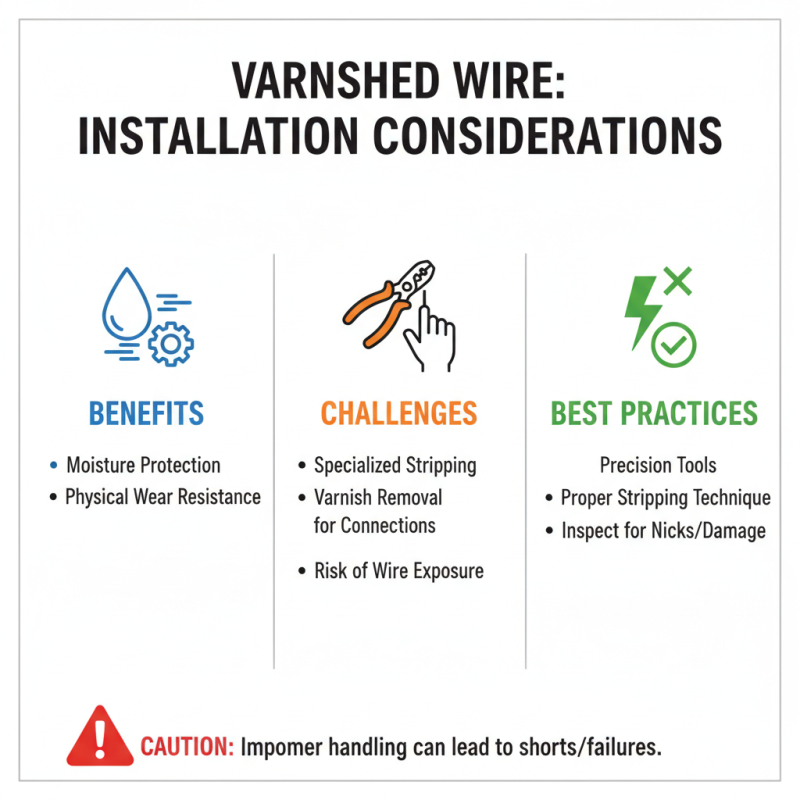
When considering electrical wiring, the choice of varnished wire brings unique challenges. This type of wire is insulated with a varnish coating, which can provide better protection against moisture and physical wear. However, installation requires careful attention. The varnish must be cut or stripped properly to ensure effective electrical connections. Improper handling can lead to exposure of the wire, risking shorts or failures.
Tip: Always consider using tools specifically designed for varnished wire. This helps maintain the integrity of the insulation while preparing it for connections.
Moreover, the thermal performance is crucial. Varnished wire is rated for high temperatures, but the installation conditions can impact its effectiveness. If the wire is placed in areas with limited airflow, heat buildup can become a concern. The National Electrical Code recommends considering thermal management in all installations to reduce risk.
Tip: Make sure to assess the environment before installation. Proper ventilation can help regulate temperature and improve wire longevity.
Finally, while varnished wire offers benefits, it is not a one-size-fits-all solution. Installation errors can lead to increased costs due to replacements or repairs. It’s vital to train personnel on best practices specific to varnished wire to minimize mistakes and enhance performance.