How to Choose the Right Insulating Wire for Your Electrical Projects?
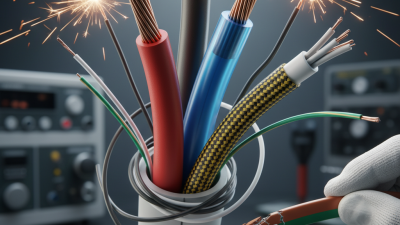
Choosing the right insulating wire is crucial for any electrical project. Insulating wire plays a key role in ensuring electrical safety and efficiency. According to a report by the National Electrical Manufacturers Association (NEMA), improper selection can lead to failures and costly repairs.
The market for insulating wire is diverse. Different applications require various types of insulation materials, such as PVC and thermoplastic elastomers. The American Society for Testing and Materials (ASTM) emphasizes that understanding the environment and voltage ratings is essential for optimal performance.
In many cases, individuals overlook important specifications. They may choose wires based solely on cost, ignoring key attributes like temperature resistance and durability. Reflecting on past projects can reveal harmful oversights. Ensuring proper selection enhances safety and system longevity. Taking the time to evaluate insulating wire choices can lead to better outcomes in electrical projects.
Understanding the Basics of Insulating Wire Types
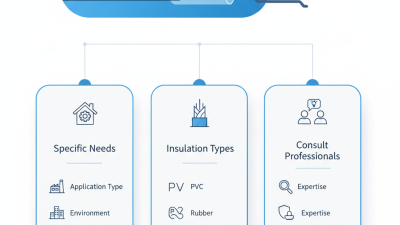
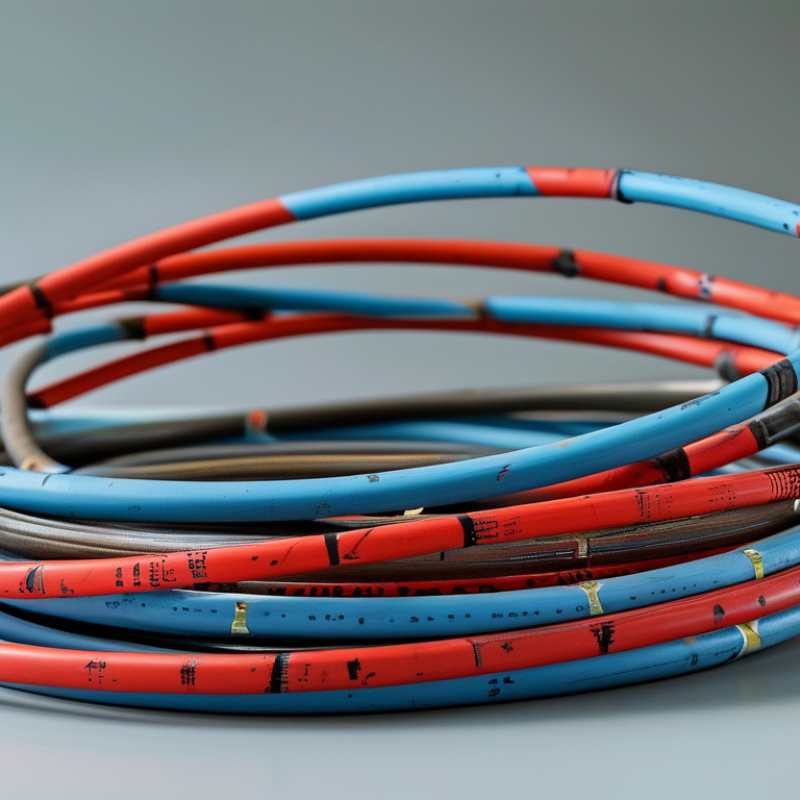
When selecting insulating wire for electrical projects, understanding the different types is essential. Insulating wires vary significantly in material and application. PVC and rubber are common insulations, each suited for specific environments. According to a recent industry report, about 70% of electrical failures stem from insulation breakdowns. This highlights the importance of choosing the right type.
Thermoplastic insulations like PVC offer durability and flexibility, making them ideal for general-purpose wiring. On the other hand, cross-linked polyethylene (XLPE) is known for its resistance to heat and chemicals. This material is often preferred in industrial settings. However, it may not be suitable for low-temperature environments. Recognizing these factors helps in making informed choices.
Wire gauge also plays a critical role in electrical safety. A wire that is too thin for its load can overheat and create hazards. Studies indicate that 30% of electrical fires are linked to improper wire sizing. Thus, understanding wire gauge is as crucial as insulation type. Overall, careful consideration of insulation materials and wire specifications leads to safer, more reliable projects.
Evaluating Electrical Project Requirements and Specifications
When evaluating electrical project requirements, identifying the right insulating wire is crucial. Start by assessing the voltage and current levels for your project. This information influences the insulation type needed. Different applications, such as residential versus industrial, can also alter your wire choice. Tightly spaced wires may require better insulation to prevent overheating. Understanding environmental factors is essential too.
Extreme temperatures or exposure to moisture will demand certain insulation materials.
Consider the wire’s gauge as well. A thicker wire decreases resistance but can be more difficult to handle. Each project's demand for flexibility versus durability is unique. You might grapple with decisions on tensile strength and flexibility. While thicker wires may offer better safety, they can limit maneuverability.
Evaluating these trade-offs is part of the process. Seek advice from industry experts to navigate complex specifications. The right insulation can enhance safety and efficiency in your electrical work, but it requires careful consideration.
Selecting the Appropriate Insulation Material for Your Project
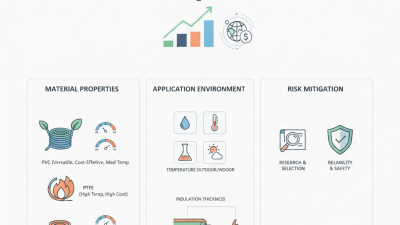
When selecting insulation material for electrical projects, consider several factors. The insulation type greatly impacts safety and performance. PVC, for instance, is often chosen for its cost-effectiveness and versatility. According to the International Electrical Testing Association, PVC insulation can withstand temperatures up to 75°C and is suitable for many indoor applications.
Yet, it’s not without limitations. PVC can degrade under extreme conditions, leading to increased risks. On the other hand, silicone rubber demonstrates superior resistance to heat and moisture, boasting a service range of up to 200°C. This makes it more reliable in harsh environments. However, silicone often comes with a higher price tag.
Energy efficiency is another critical factor. A report by the National Electrical Manufacturers Association indicates that using the right insulation can reduce energy loss by up to 30%. Therefore, assess your project's specific needs carefully. Think about longevity, environmental conditions, and budget. Reflecting on past projects might help illuminate what worked and what didn’t. Tailoring your choice to the project specifics often yields the best results.
Considering Voltage Ratings and Temperature Guidelines
When it comes to electrical projects, understanding voltage ratings is critical. Each type of wire has a specific voltage limit. Exceeding this limit can lead to overheating or even short circuits. For instance, low-voltage applications typically require wires rated for fewer than 600 volts. It's crucial to match the wire's rating with the project's requirements to ensure safety.
Temperature guidelines are equally important. Insulating wires can handle different temperature ranges. For instance, some wires are rated for a maximum of 75°C, while others can withstand temperatures over 200°C. It’s essential to consider the environment where the wire will be used. If it’s in a hot area, choose a wire that can handle higher temperatures.
Sometimes, wire insulation deteriorates faster than expected. Regular checks are necessary to ensure everything functions properly. If there are signs of wear, it’s best to replace the wire. This proactive measure prevents bigger issues later. Choosing the right insulating wire involves careful consideration of both voltage and temperature specifications.
Assessing Cost and Availability of Insulating Wires
When selecting insulating wire for electrical projects, considering cost and availability is crucial. Prices can vary significantly based on the type of insulation and the wire gauge. Conducting thorough research is essential to avoid overspending. Local suppliers may offer different rates compared to online retailers. Always compare prices across multiple sources. Sometimes, the cheapest option may compromise safety or performance, leading to regrettable outcomes.
Furthermore, availability can impact project timelines. Some specialized insulating wires may come with long lead times. This can delay your projects unexpectedly. It’s wise to stock up on essential materials, especially if you anticipate ongoing projects. Choose reliable suppliers who can assure prompt delivery. Understanding these factors helps maintain your project’s momentum and budget.
Keep in mind that not all wires meet the same standards. You might encounter subpar options at attractive prices. Picking low-quality wires can lead to overheating or insulation failure. Researching the electrical codes relevant to your project will guide you to safer choices. Always weigh the cost against the long-term benefits of quality materials. Investing wisely pays off in the end.
How to Choose the Right Insulating Wire for Your Electrical Projects? - Assessing Cost and Availability of Insulating Wires
| Wire Type |
Insulation Material |
Temperature Rating (°C) |
Cost per Meter ($) |
Availability |
| THHN |
Nylon-coated PVC |
90 |
0.15 |
Widely Available |
| NM-B |
Non-metallic sheathing |
90 |
0.10 |
Commonly Available |
| TW |
Thermoplastic |
60 |
0.12 |
Good Availability |
| TEW |
Thermoplastic |
90 |
0.14 |
Readily Available |
| MTW |
Thermoplastic |
90 |
0.16 |
Easily Available |