How to Choose the Right Insulating Wire for Your Needs?
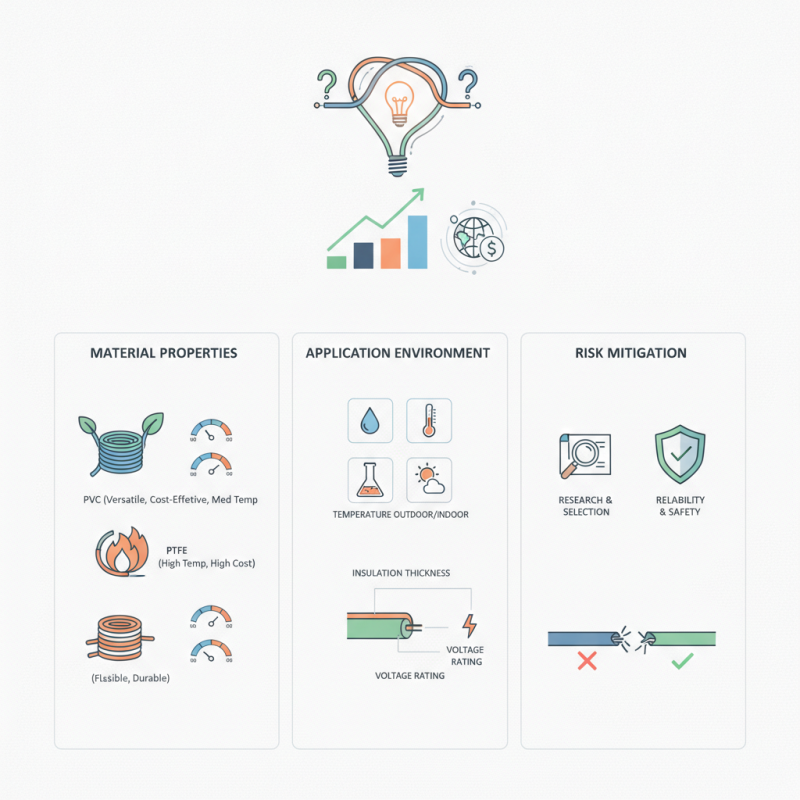
Choosing the right insulating wire is crucial for any electrical project. Insulating wire plays a vital role in electrical safety and performance. According to industry reports, the global insulated wire market is projected to reach $56.5 billion by 2026. This growth highlights the increasing demand for quality insulation in various applications.
Selecting the appropriate insulating wire can be challenging. Different materials, such as PVC, PTFE, and rubber, offer unique benefits. For instance, PVC is versatile and cost-effective, but may not withstand extreme temperatures. In contrast, PTFE provides superior thermal resistance but comes at a higher cost. Evaluating these properties is essential for ensuring reliability.
One must also consider the application environment. Factors like moisture, temperature, and exposure to chemicals can impact wire performance. Understanding these details can prevent future issues. Inspecting the wire's insulation thickness and voltage rating is equally important. Often, projects face difficulties when inadequate insulation leads to failures. Proper research and awareness can mitigate these risks effectively.
Understanding Insulating Wire Types and Their Applications
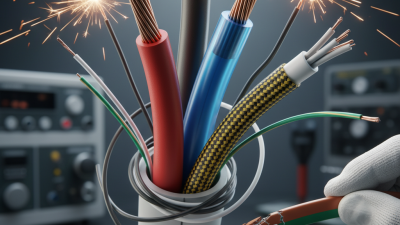
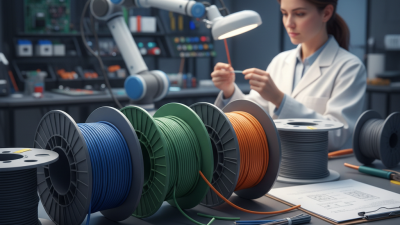
When choosing insulating wire, it’s crucial to understand the different types available. Each type has unique properties suited for various applications. PVC insulated wire is common in household wiring due to its durability and flexibility. On the other hand, Teflon insulated wire is preferred in high-temperature environments. The choice of insulation material can significantly impact performance and safety.
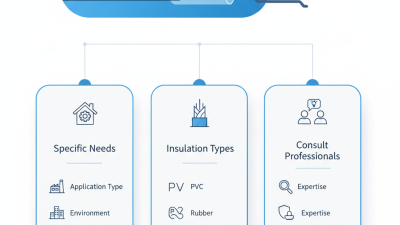
Consider your specific needs. Are you working in a high-voltage area or a moist environment? Selecting the right insulation can prevent short circuits and other hazards. For outdoor applications, look for wire with UV-resistant insulation. This will enhance longevity and reliability in harsh conditions.
**Tips:** Always check the temperature ratings of the wire. A mismatch can lead to failures. Ensure the wire’s voltage rating aligns with your project requirements. If uncertain, consulting with a professional is wise. Experimenting with different types may lead to unexpected results. Take time to research and reflect on your choices.
How to Choose the Right Insulating Wire for Your Needs?
| Wire Type |
Insulation Material |
Temperature Rating (°C) |
Voltage Rating (V) |
Applications |
| PVC Wire |
Polyvinyl Chloride (PVC) |
70 |
300 |
Household wiring, appliances |
| XLPE Wire |
Cross-Linked Polyethylene (XLPE) |
90 |
600 |
Industrial applications, high voltage |
| Silicone Wire |
Silicone Rubber |
200 |
600 |
High-temperature applications, automotive |
| Teflon Wire |
Polytetrafluoroethylene (PTFE) |
260 |
600 |
Aerospace, military applications |
| Rubber Wire |
Natural or Synthetic Rubber |
60 |
300 |
Flexible applications, tools |
Factors to Consider When Choosing Insulating Wire
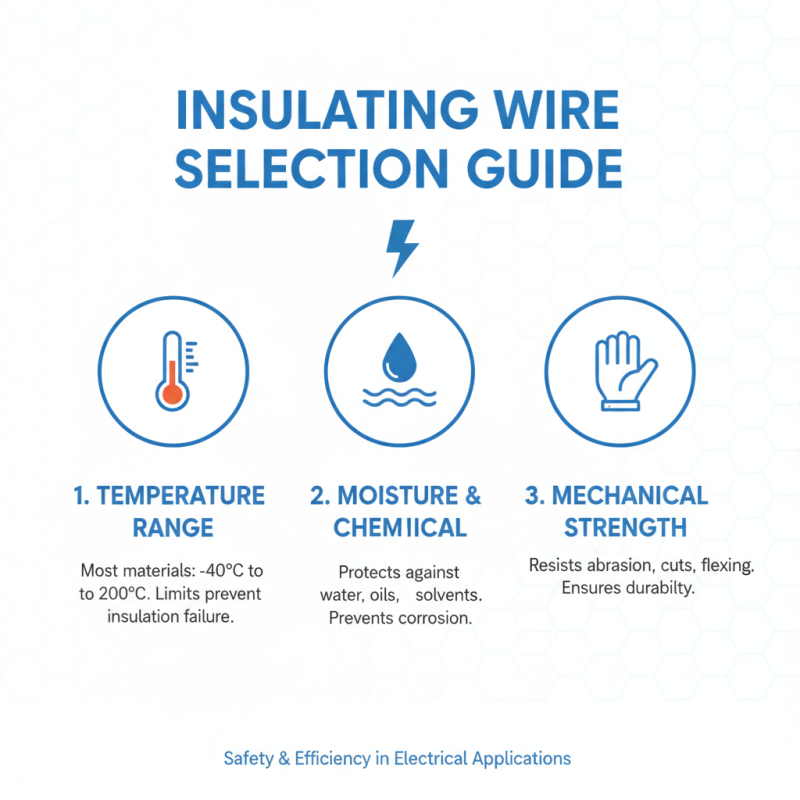
Choosing the right insulating wire is crucial for ensuring safety and efficiency in electrical applications. Several factors play a significant role in this decision. The operating temperature range is essential. Most insulating materials can withstand specific temperatures, typically from -40°C to 200°C. Exceeding these limits can compromise insulation integrity.
Another critical factor is the dielectric strength of the wire. High-quality insulating wires often have a dielectric strength of 20 kV/mm or more. This measurement indicates how well the insulation can resist electrical breakdown. Also, consider the environmental conditions where the wire will be used. Exposure to moisture, chemicals, or UV light can degrade insulation over time. Reports suggest that wires used in harsh environments may need thicker or more specialized insulation types to ensure longevity.
Understanding the mechanical properties of insulation is also important. Wires must endure bending, twisting, and tension. A study indicates that wires with flexible insulation can handle dynamic applications better than rigid types. Assessing specific application needs can guide you to make informed choices. The goal is not just to meet requirements but to enhance the reliability of electrical systems.
Comparing Materials: PVC, Teflon, and Rubber Insulation
When choosing insulating wire, the material matters.
PVC, Teflon, and rubber each have unique properties. PVC offers good electrical insulations and is cost-effective. It’s widely used in various electrical applications. However, it may not withstand high temperatures.
Teflon insulation is more durable and can resist extreme heat and chemicals. This makes it suitable for specialized applications. Teflon is less flexible than PVC, so it may not be the best choice for tight spaces. Rubber insulation offers excellent flexibility and durability. It is ideal for environments where movement is frequent.
Tip:
Always consider the environment where the wire will be used. This can help you make a better choice.
Another important aspect is temperature ratings.
Ensure the insulation can handle the maximum temperature it may encounter.
Tip:
Don’t overlook factors like flexibility and voltage rating. These can be just as important as material choice. Choosing the right insulating wire enhances safety and performance.
Evaluating Voltage Rating and Temperature Limits
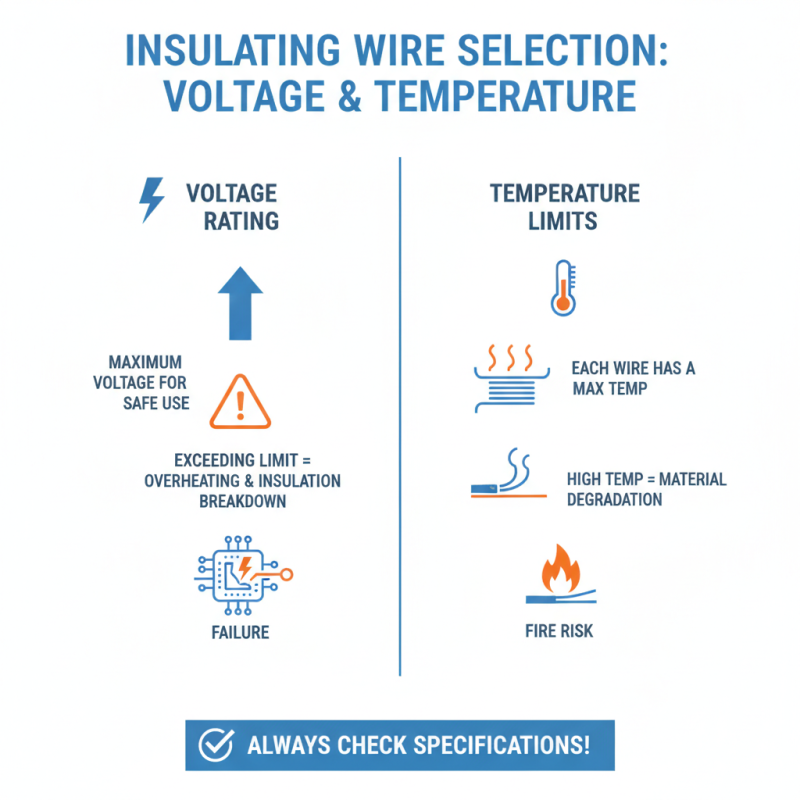
When selecting insulating wire, understanding voltage ratings is crucial. The voltage rating indicates the maximum voltage the wire can safely handle. Exceeding this limit can lead to overheating and insulation breakdown. For example, if your application involves higher voltages, using low-rated wire can cause failures. Always check the specifications before making a choice.
Temperature limits are equally important. Insulation materials have different temperature tolerances. For instance, some wires can operate effectively at high temperatures, while others may fail. Knowing the environment where the wire will run is essential. If conditions are too hot or too cold, it might affect performance. It’s vital to match wire insulation with the intended application. This prevents potential hazards and ensures reliability.
Choosing the right wire is not straightforward. Mistakes can occur if one overlooks these factors. Always research thoroughly and consider consulting an expert if necessary. This process takes time, but ensuring safe, efficient operation is worth the effort. Balancing voltage ratings and temperature limits is key to making the best decision.
Assessing Environmental and Safety Standards in Wire Selection
When selecting insulating wire, environmental and safety standards play a crucial role. The insulation must withstand heat, chemicals, and abrasions, depending on its application. For instance, if the wire will be used in a high-temperature environment, the insulation material should have a high thermal resistance. This detail should never be overlooked.
It is important to consider safety ratings. Many insulating wires come with certifications that indicate their compliance with safety standards. These certifications ensure that the wire can handle potential hazards. Additionally, understanding environmental impacts is essential. Some insulation materials may be harmful to the environment, while others are more sustainable. This choice reflects a commitment to responsible sourcing.
Some wires may have limitations. For example, a wire that excels in one area may fail in another. Evaluating your specific needs carefully is necessary. Overlooking these aspects can lead to poor performance. Ultimately, the right choice requires thoughtful consideration of both safety and environmental impact. Balancing these factors reflects a deeper understanding of wire selection.