Essential Tips for Choosing the Right Insulating Wire?
Choosing the right insulating wire can be a complex task. Insulating wire plays a crucial role in electrical safety and efficiency. When selecting it, various factors must be considered.
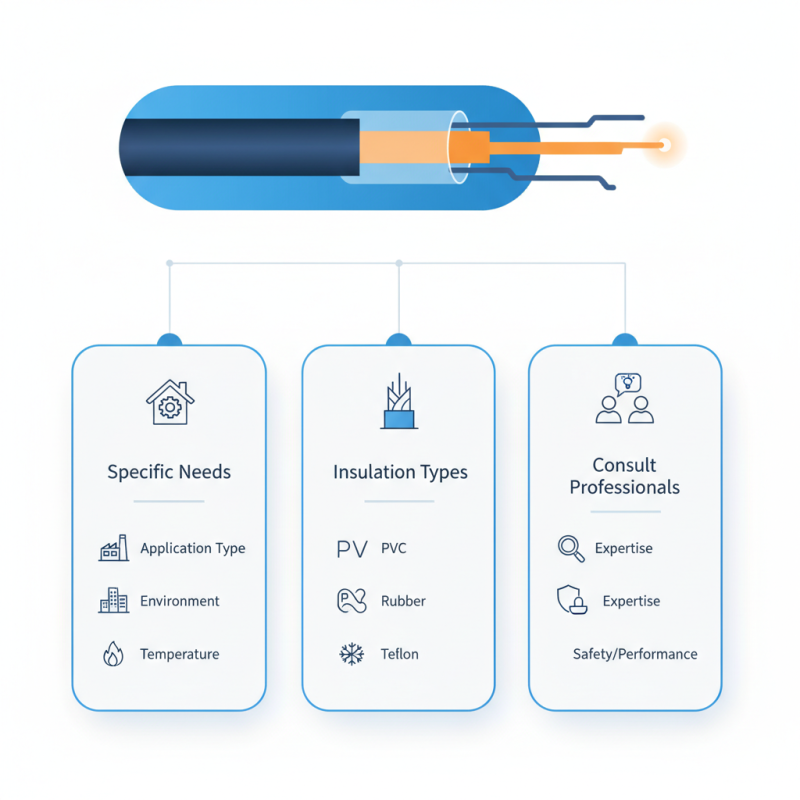
First, understand your specific needs. The type of application—whether residential, commercial, or industrial—will greatly influence your choice. Different environments require different wire ratings and materials. For instance, high-temperature settings need wires that can withstand heat.
Next, pay attention to insulation types. Common options include PVC, rubber, and Teflon. Each type has its strengths and weaknesses. If you neglect to consider these factors, your project could suffer.
Lastly, consult with professionals when in doubt. Their expertise can guide you in making informed decisions. Remember, the right insulating wire can enhance performance while ensuring safety. Therefore, invest time and effort into your selection.
Understanding the Basics of Insulating Wire and Its Importance
Insulating wire plays a crucial role in electrical systems. It prevents current leakage and protects against short circuits. A recent industry report indicates that more than 30% of electrical failures stem from improper insulation. Choosing the right insulation material is key to ensuring safety and efficiency in any project.
Key factors to consider include temperature ratings and environmental conditions. For instance, PVC insulation is suitable for general applications. However, it may not withstand extreme temperatures or chemicals. Conversely, silicone insulation offers excellent heat resistance but can be more costly. Understanding these basics helps prevent costly mistakes during installation.
Another aspect is compliance with safety standards. Insulation materials must meet guidelines set by authorities like the National Electrical Code (NEC). This ensures reliability and reduces risks. Statistics reveal that disconnected or damaged wires account for over 40% of electrical hazards. This highlights the importance of selecting the right insulating wire for your specific needs and conditions.
Essential Tips for Choosing the Right Insulating Wire
| Wire Type |
Insulation Material |
Temperature Rating (°C) |
Voltage Rating (V) |
Application |
| PVC Wire |
Polyvinyl Chloride |
70 |
300 |
General Purpose |
| XLPE Wire |
Cross-Linked Polyethylene |
90 |
600 |
Industrial Applications |
| Teflon Wire |
PTFE (Teflon) |
200 |
600 |
High-Performance Applications |
| Silicone Wire |
Silicone Rubber |
200 |
600 |
Flexible & High-Heat Applications |
| Nylon Wire |
Nylon Coating |
80 |
300 |
Automotive Applications |
Identifying Different Types of Insulating Materials for Wires
When selecting insulating wire, understanding the types of insulating materials is crucial. There are several common options, each with unique properties. For instance, PVC is widely used due to its good flexibility and affordability. However, its heat resistance is limited, making it less suitable for high-temperature applications.
Another material, polyethylene, offers excellent electrical insulation and resistance to moisture. It's ideal for outdoor installations. However, care must be taken with mechanical stress, as it can become brittle over time. Silicone rubber is also a strong contender, known for its high thermal resistance and flexibility, though it tends to be more expensive.
Choosing the right insulating wire requires careful consideration. Each material has its strengths and weaknesses. While PVC may seem cost-effective, its limitations could lead to failures under certain conditions. Regular assessments and testing of insulation integrity can help avoid unexpected issues and ensure safety.
Evaluating Wire Gauge and Conductor Size for Specific Applications
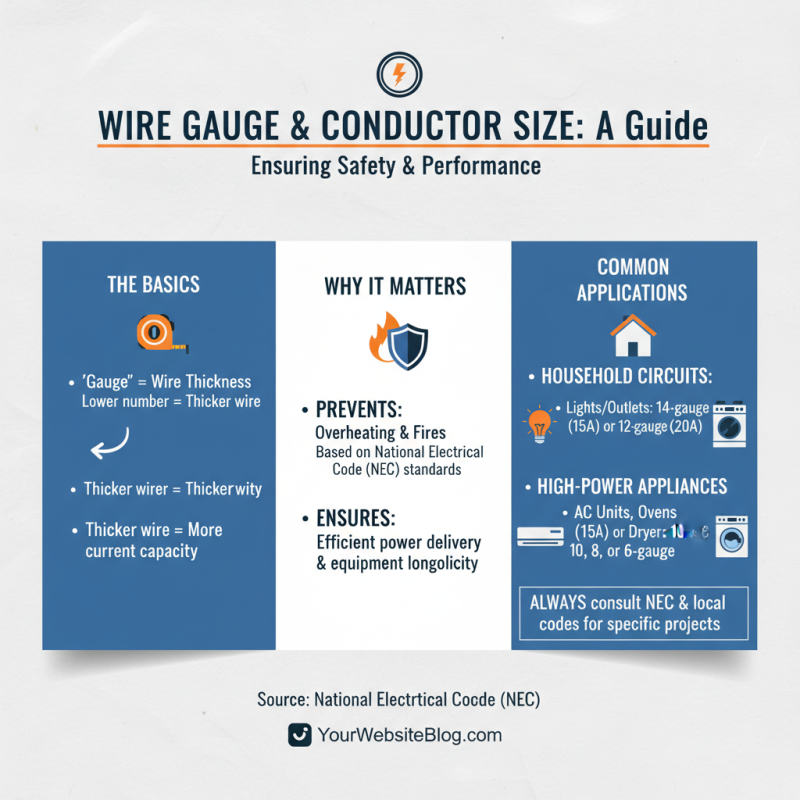
Choosing the right insulating wire can be a complex task. Evaluating wire gauge and conductor size is crucial for safety and performance. According to the National Electrical Code (NEC), using the correct wire gauge helps prevent overheating and electrical fires. A household circuit often uses 14 or 12-gauge wire, but specific applications may require adjustments.
Understanding amperage is essential when selecting wire size. The American Wire Gauge (AWG) standard provides a reference point. For example, 10-gauge wires can safely carry 30 amps. However, in high-heat environments, a larger gauge may be needed to mitigate risk. This could result in a higher cost and installation complexity, often underestimated in planning stages.
Factors like insulation type and environmental conditions cannot be ignored. Some applications may expose wires to moisture or chemicals. This can compromise insulation and the integrity of the conductor. Regular inspections are advisable, as wear can lead to failures. Electrical professionals often recommend selecting a wire with appropriate insulation to ensure long-term reliability. Choosing the right combination of gauge, conductor size, and insulation can greatly impact overall system performance.
Assessing Temperature Ratings and Environmental Considerations
When selecting the right insulating wire, understanding temperature ratings and environmental factors is crucial. Temperature ratings indicate the wire's capacity to withstand heat without degrading. This is vital for applications in high-temperature environments, such as industrial settings. For instance, a wire with a higher rating will perform reliably in extreme conditions, reducing the risk of electrical failure.
Environmental considerations also play a significant role. Factors like moisture, exposure to chemicals, and UV light can affect the insulation's integrity. Wires used outdoors must resist these elements effectively. It’s important to choose materials designed for specific environments. For example, wires installed in damp areas need better moisture resistance. Yet, many overlook this aspect and face premature failures.
Evaluating both the temperature and environmental factors can be challenging. Misjudgments can lead to costly repairs and safety hazards. Consulting reliable resources or industry experts can improve your decision-making process. Always remember that choosing the right wire is not just about compliance; it is about ensuring safety and longevity.
Essential Tips for Choosing the Right Insulating Wire
Ensuring Compliance with Safety Standards and Regulations in Wiring
When selecting insulating wire, safety standards must guide your decisions. Compliance with these guidelines is crucial. The National Electrical Code (NEC) outlines requirements for wire types and materials. Following these regulations helps prevent accidents and ensures reliability.
Research shows over 50% of electrical failures link to improper wiring methods. Using wires that do not meet the specified standards leads to increased risks. For instance, inadequate insulation can cause short circuits or overheating. Always consider wire ratings in relation to their application.
Inspection of insulation types is vital. Not all wire insulations are created equal. UL certifications verify that materials have undergone rigorous testing. Reflecting on these standards can save lives and property. Choose wires that meet these criteria, and avoid cutting corners. Compliance is not just a legal obligation; it is a commitment to safety and quality.