What are the Best Insulating Wire Options for Global Buyers?
In the quest for the best insulating wire options, industry experts highlight the crucial elements of choice. John Smith, an electrical engineering expert with over 20 years of experience, emphasizes, "Choosing the right insulating wire can make or break a project's success." Buyers worldwide face a variety of options, each with unique properties and applications. The insulation material affects durability, heat resistance, and overall performance.
Understanding these variables is essential for any buyer looking for reliable insulating wire. The market offers materials like PVC, rubber, and Teflon, each serving different needs. However, not all options are suited for high temperatures or harsh environments. A common mistake is overlooking the specifics of each wire type.
Buyers must consider their unique requirements before making a decision. The right insulating wire can enhance safety and efficiency. Yet, the diversity in wire types can create confusion. Thus, thorough research and expert insights are invaluable in navigating this complex market.

Overview of Insulating Wire Types Available Globally
Insulating wires are critical in various industries, ensuring safety and functionality. Globally, different types of insulating wires cater to diverse applications. The most common types include PVC, XLPE, and rubber insulation. Each type has unique properties suitable for different environments. For example, PVC is widely recognized for its flexibility and cost-effectiveness, making it a popular choice in residential and commercial wiring.
In recent studies, the global insulated wire market was valued at approximately $35 billion in 2022. This market is projected to grow at a CAGR of 5.3% from 2023 to 2030. The increase in urbanization and industrialization drives this demand significantly. Moreover, the rise in renewable energy projects also fuels the need for advanced insulating materials. While PVC remains prevalent, XLPE has gained traction due to its high thermal resistance and dielectric strength.
However, challenges exist within this market. The regulatory landscape varies greatly across regions, potentially affecting supply chains. Additionally, the distinct environmental conditions can impact performance, leading to the need for careful consideration in wire selection. Buyers must therefore evaluate their operational environments and needs before making decisions on insulating wire types. Understanding these nuances is essential for optimizing both safety and efficiency in electrical installations.
Key Factors to Consider When Choosing Insulating Wire
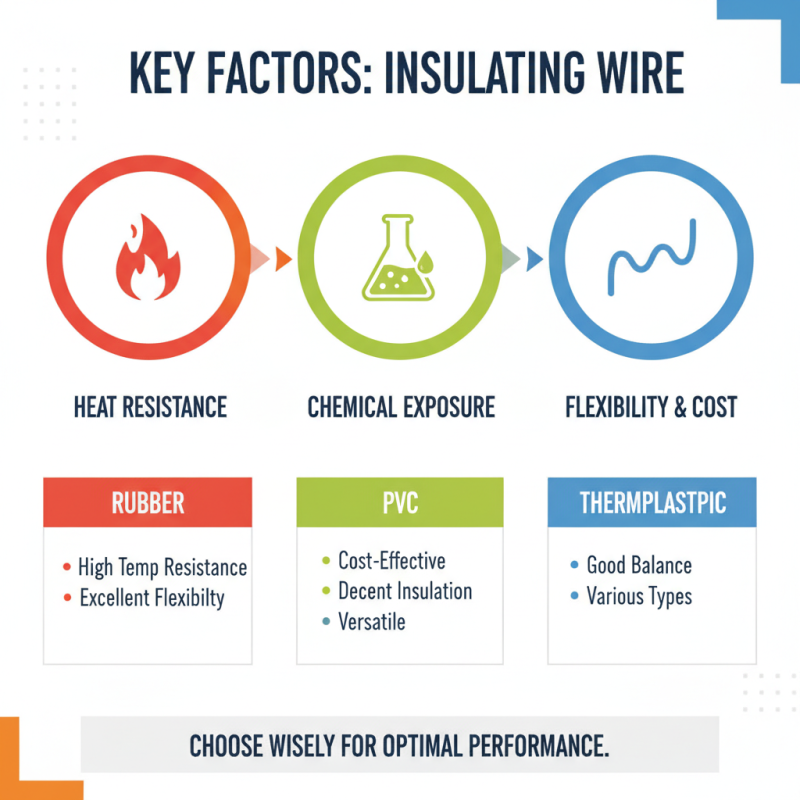
When selecting insulating wire, understanding material properties is crucial. Insulation can be made from various materials, such as PVC, rubber, or thermoplastic. Each offers different resistance to heat and chemical exposure. For example, rubber provides excellent flexibility and high-temperature resistance. PVC is popular for its cost-effectiveness and decent insulation properties. Knowing these distinctions can greatly impact wire performance.
Another important factor is voltage rating. Insulating wires come with specific ratings that indicate their maximum operating voltage. Choosing a wire with an appropriate voltage rating ensures safety and reliability. Underrating can lead to breakdowns and hazards. Additionally, consider the environment where the wire will be used. Exposure to moisture or chemicals may affect insulation durability. Selecting a wire designed for harsh conditions increases longevity, though this might come at a higher cost.
Lastly, gauge size plays a role in wire performance. Thicker wires can handle more current, reducing heat build-up. A thicker gauge might be needed for high-power applications. Understanding your application's requirements leads to better choices. Each option has its trade-offs, emphasizing the importance of thorough research and expert advice. This complex decision-making process demands careful consideration of all factors.
Comparative Analysis of Insulating Wire Materials
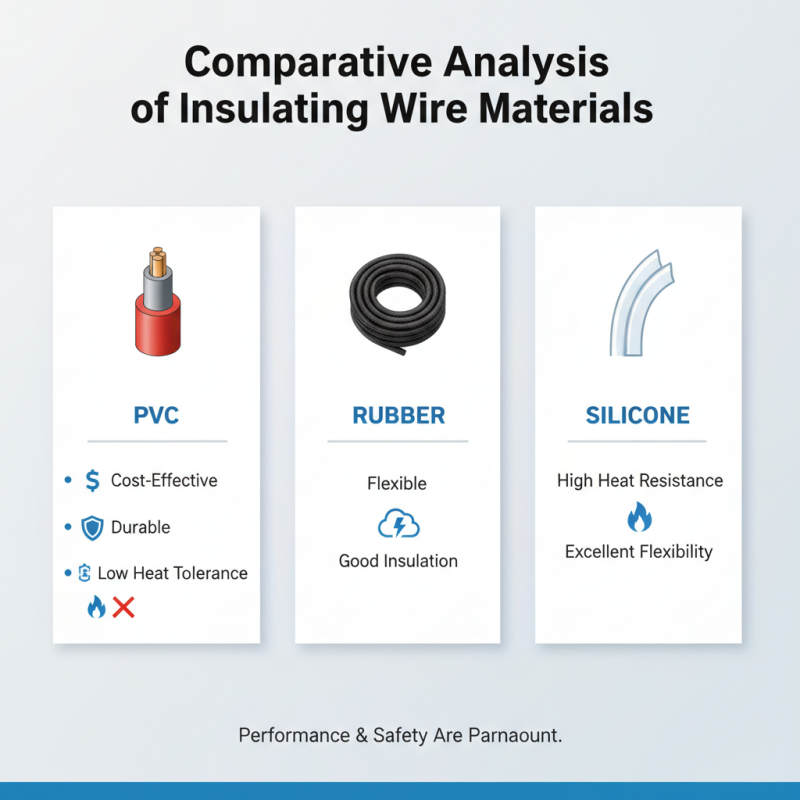
When considering insulating wire materials, performance and safety are paramount. Common materials include PVC, rubber, and silicone. PVC is widely used for its cost-effectiveness and durability. However, it may not perform well at high temperatures.
Rubber offers good flexibility and resistance to abrasion. It is ideal for applications needing mobility. Yet, its chemical exposure can lead to degradation over time, which raises concerns for long-term use. Silicone stands out for high-temperature applications. While more expensive, its resilience and longevity make it a reliable choice.
Each material has unique advantages and limitations. PVC, while inexpensive, lacks heat resistance. Rubber is flexible but can be compromised by environmental factors. Silicone excels at high temperatures but may stretch budgets. Careful consideration of the application requirements is crucial. Balancing cost and performance will lead to better choices for buyers globally.
Top Brands and Manufacturers of Insulating Wire Worldwide
When selecting insulating wire, buyers should examine various top brands and manufacturers worldwide. Each brand has its unique strengths and specialties. Some excel in temperature resistance. Others focus on flexibility and durability. Choosing the right type depends on the specific needs of the application.
Manufacturers vary in terms of technology and production methods. This diversity impacts the quality and performance of insulating wire. Some brands utilize advanced materials for superior insulation. Others may still rely on traditional methods. Evaluating these factors can help buyers make informed decisions.
Availability and customer support also play critical roles. Not all manufacturers offer consistent global availability. Some may have stronger local networks than others. Buyers should research and question these aspects. Inconsistent supply chains can hinder project timelines. Striking a balance between quality and reliability is essential.
Future Trends in Insulating Wire Technology and Applications
The field of insulating wire technology is evolving rapidly. As energy efficiency becomes crucial, innovative materials are being developed. These materials enhance performance while reducing environmental impact. Emerging options like bio-based insulators are gaining traction. This shift aligns with global sustainability goals.
Advancements in production techniques are noticeable, too. For instance, 3D printing is changing how wires are designed and produced. This method allows for more complex structures, enabling better heat dissipation and flexibility. However, some products still face durability issues, requiring continuous assessment to ensure quality.
Investment in research and development is paramount. Companies are exploring nanotechnology to create thinner yet more effective insulating layers. Despite the promise of these advances, challenges remain in widespread adoption. Balancing cost and efficiency will be a critical factor in future trends. The industry must adapt to these fluctuations to meet diverse consumer demands.
What are the Best Insulating Wire Options for Global Buyers? - Future Trends in Insulating Wire Technology and Applications
| Wire Type |
Insulation Material |
Temperature Rating (°C) |
Applications |
Future Trend |
| PVC Wire |
Polyvinyl Chloride |
-15 to 70 |
General wiring, domestic appliances |
Eco-friendly alternatives |
| XLPE Wire |
Cross-Linked Polyethylene |
-40 to 90 |
Heavy-duty applications, overhead lines |
High voltage applications |
| Teflon Wire |
Polytetrafluoroethylene |
-60 to 260 |
Aerospace, industrial applications |
Increased temperature resistance |
| Silicone Wire |
Silicone Rubber |
-60 to 200 |
Automotive, marine applications |
Flexible insulation solutions |
| Nylon Coated Wire |
Nylon |
-40 to 100 |
Fishing, outdoor lighting |
Durability under outdoor conditions |