Leave Your Message

Why Choose Soft Coated Wire for Your Home Improvement Projects?

When planning home improvement projects, choosing the right materials is essential. One option that stands out is Soft Coated Wire. This type of wire offers a range of benefits that can enhance your projects. Its flexibility allows for easy handling, making it ideal for various applications.

Soft Coated Wire is resistant to corrosion, which extends its lifespan. This can save you from frequent replacements and maintenance. For example, using it in outdoor settings can ensure your projects withstand the elements effectively. The smooth coating also prevents snagging during installation, reducing frustration and enhancing efficiency.

However, it's essential to consider if Soft Coated Wire fits your specific needs. Not every project may require its unique properties. The cost can also be higher compared to alternatives. Reflecting on these factors can help you determine whether this wire is the best choice for your home.
Why Choose Soft Coated Wire for Your Home Improvement Projects?

Benefits of Soft Coated Wire in Home Improvement Applications

Soft coated wire has become a popular choice for various home improvement tasks. Its flexibility makes it easy to work with in tight spaces. Additionally, it provides a safe option for DIY enthusiasts. The soft coating helps prevent scratches on surfaces. This is particularly useful when working around delicate materials like wood or glass.

Tips: Always wear gloves when handling soft coated wire. The coating can be slippery, so a good grip helps.

This type of wire is also resistant to rust and corrosion. It stands up well against moisture and humidity. You can use it for outdoor projects without worrying about deterioration. Many find it a great option for garden fencing or decorative installations. Despite its strength, there are moments when it can feel too pliable. You might struggle if you need a rigid structure.

Tips: Check the wire’s tension before installation. Overstretching could lead to issues later.

Lastly, soft coated wire is affordable. It offers significant value for your home projects. However, some may find it doesn’t hold as firmly as harder wires. Being aware of this drawback can save you time and frustration. Choose wisely based on the task at hand.
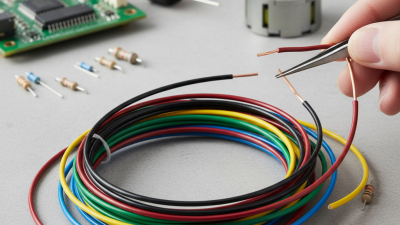
Durability and Flexibility of Soft Coated Wire Compared to Alternatives

Why Choose Soft Coated Wire for Your Home Improvement Projects?

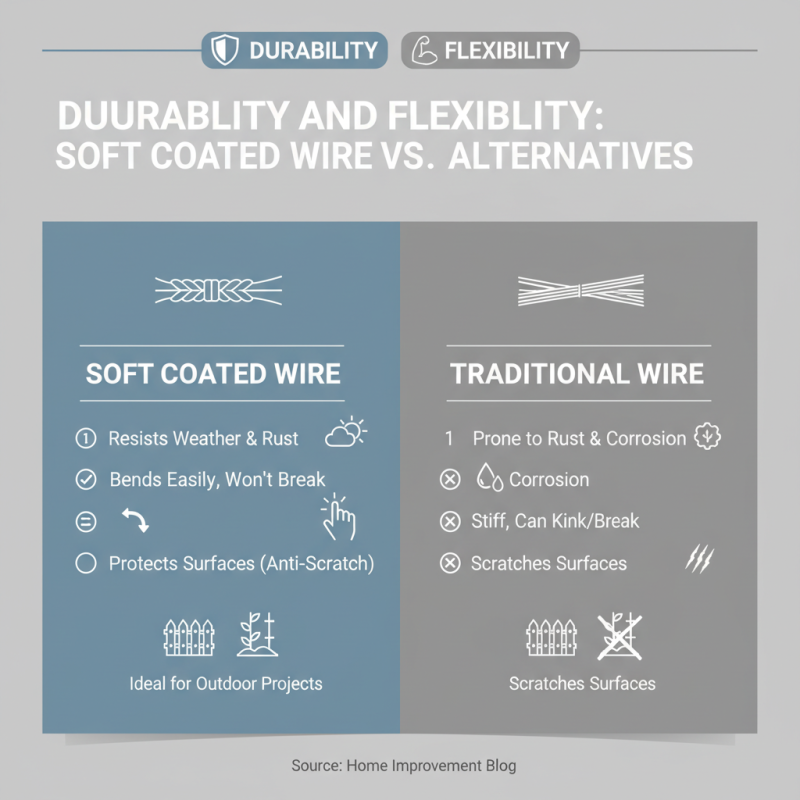
When considering materials for home improvement, soft coated wire stands out for its durability and flexibility. Unlike traditional wire options, it can withstand various environmental conditions without losing structural integrity. This quality makes it ideal for outdoor projects, such as fencing or garden supports. The soft coating also protects surfaces, preventing scratches and damage during installation.

Flexibility is another advantage. Soft coated wire is easy to bend and shape, which allows for creative applications in DIY projects. Whether it's crafting unique decorations or creating custom layouts, this wire adapts to your vision. However, it’s important to note that some applications may reveal weaknesses. For instance, if not secured properly, it may sag under heavy loads.

As you work with soft coated wire, you might encounter challenges. Learning the right techniques to cut and shape can take time. Mistakes can happen, leading to wasted material, but these experiences lead to improvement. Overall, the benefits of using soft coated wire for your home projects are clear. Its durability paired with flexibility offers countless possibilities.

Common Uses of Soft Coated Wire in DIY and Professional Projects

Why Choose Soft Coated Wire for Your Home Improvement Projects?

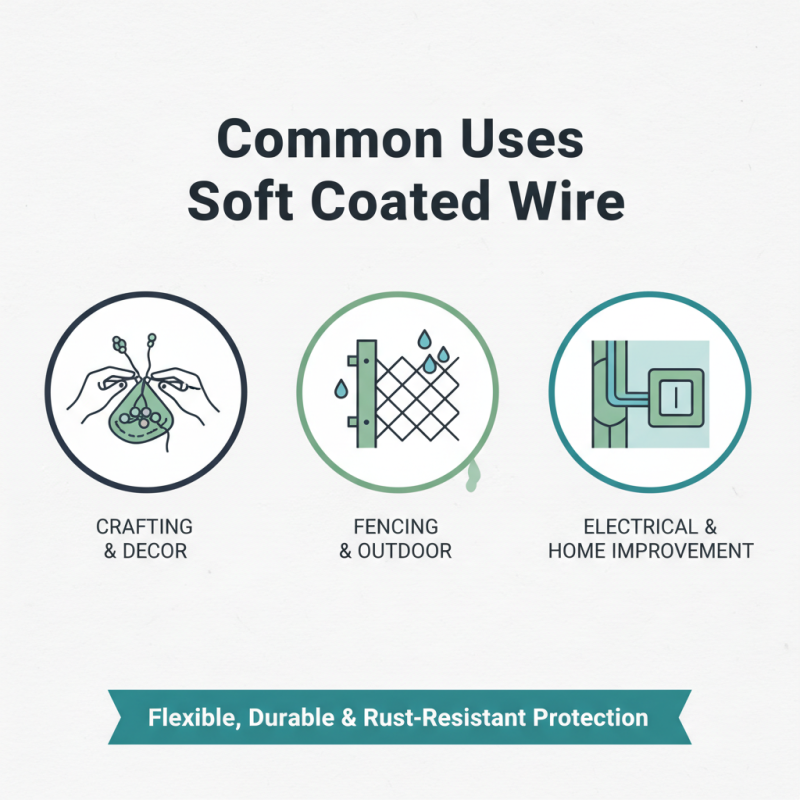
Soft coated wire is an excellent material for various home improvement projects. Its flexibility and durability make it ideal for both DIY enthusiasts and professional builders. You can use it in crafting, fencing, and even electrical projects. The wire is coated for added protection, which makes it resistant to rust and corrosion. Many choose it for outdoor applications where exposure to moisture is a concern.

In DIY projects, soft coated wire can create intricate designs. It is perfect for making plant supports, trellises, or garden decorations. The ease of shaping the wire allows for creativity to flow freely. Use it to tie plants and keep them upright. Ensure that the strength of the wire matches your project needs to avoid disappointing outcomes.

Tips: When working with soft coated wire, wear gloves to protect your hands from sharp edges. Measure carefully to avoid wasting materials. If you find it difficult to cut, try using a wire cutter specified for heavier gauges. Keep your workspace clean to prevent accidents. Reflect on your design choices to enhance your project’s overall function and aesthetics.

Installation Tips for Using Soft Coated Wire Effectively

When working on home improvement projects, using soft coated wire can be a great choice. This wire is flexible and easy to manipulate, making installation a breeze. It's essential to handle it with care. Over-twisting can weaken the wire. Keep your workspace organized to avoid confusion.

For effective installation, consider measuring your space before cutting the wire. This helps prevent wasted material. Use wire cutters designed for soft coated wire. Dull tools can lead to messy cuts. Always wear gloves to protect your hands from sharp edges.

Don't forget to test the wire’s strength before full installation. A little strength test can save you time later. If the wire bends too easily, rethink your application. Sometimes, using it in a different way can yield better results. Adjustments are part of the process, and it’s okay if things are not perfect. Embrace the learning curve.

Why Choose Soft Coated Wire for Your Home Improvement Projects?

Feature Description Advantages
Material Soft coated wire is made from high-quality steel with a protective coating. Durable and resistant to rust and corrosion.
Flexibility Easily bent and shaped for various applications. Ideal for intricate designs and layouts.
Weight Lightweight compared to traditional wires. Easier to handle and install, reducing labor time.
Coating Soft outer layer protects the wire and prevents cuts. Safer to work with and reduces injury risks.
Application Used in fencing, garden supports, and crafting. Versatile for various home improvement projects.
Cost Generally more affordable than heavy-duty alternatives. Cost-effective solution for budget-conscious projects.

Environmental Considerations for Choosing Soft Coated Wire Materials

When choosing materials for home improvement projects, environmental impact is crucial. Soft coated wire stands out due to its sustainability. Made from recyclable materials, it minimizes waste. Plus, its production involves fewer harmful chemicals. This makes it a safer choice for your home and the planet.

Homeowners often overlook the effects of their choices. Using soft coated wire can reduce carbon footprint. Each small decision contributes to larger environmental goals. Yet, it’s essential to ensure proper disposal once the project is finished. Improper disposal can negate the benefits of choosing a sustainable product.

Moreover, soft coated wire is durable and resistant to corrosion. This longevity means fewer replacements, cutting down resource consumption. Mindfully selecting materials aligns home improvement with environmental responsibility. Your actions can inspire others to think twice about their choices. It’s time to reflect on the materials we use every day.