Top 5 Benefits of Varnished Copper You Should Know?
Varnished Copper has emerged as a transformative material in various industries, including electrical and construction sectors. According to a recent report by the Global Copper Alliance, the demand for Varnished Copper is projected to increase by 15% over the next five years. This surge is attributed to its superior conductivity and resistance to corrosion. Experts believe that Varnished Copper stands out due to its unique combination of durability and aesthetic appeal.
Dr. Emily Reynolds, a leading authority on materials science, states, “Varnished Copper not only enhances performance but also adds value to products.” This reflects the material's significance within the realm of electrical engineering and design. The varnish protects against oxidation, thus prolonging the lifespan of electrical components.
However, it's essential to consider the challenges associated with Varnished Copper. While it offers numerous benefits, the production process can be resource-intensive. Companies need to evaluate the environmental impact of using Varnished Copper. Overall, understanding the nuances of this material is crucial for businesses aiming to innovate while maintaining sustainability.
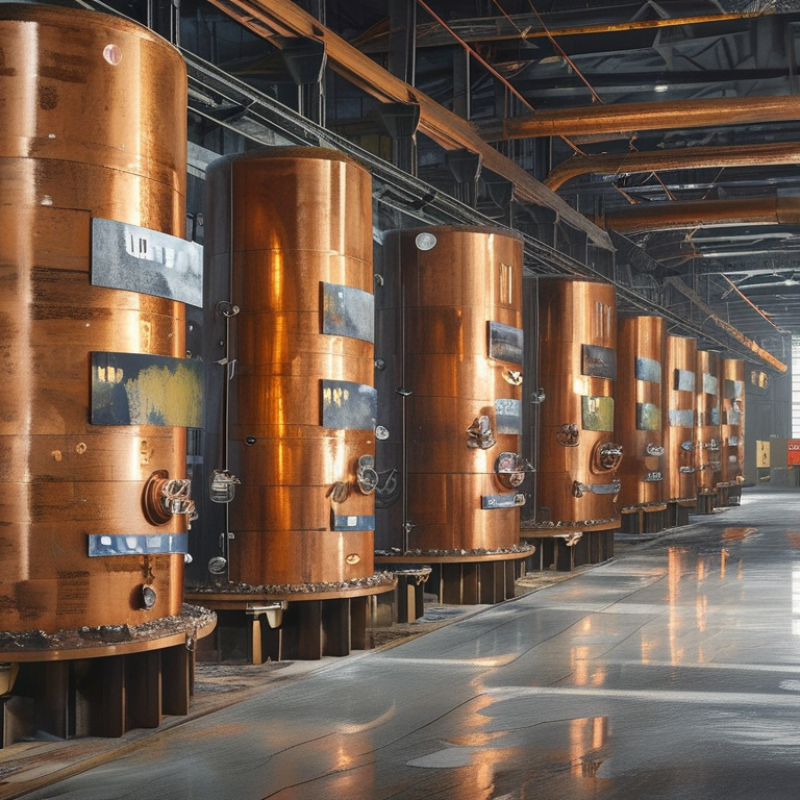
The Unique Corrosion Resistance of Varnished Copper in Electrical Applications
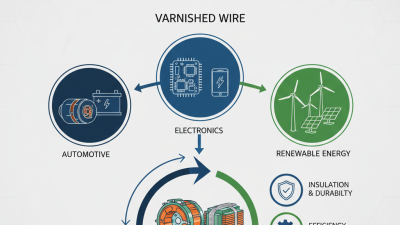
Varnished copper stands out in electrical applications due to its unique corrosion resistance. Traditional copper is prone to oxidation, leading to decreased conductivity. However, the varnish creates a protective layer, shielding the metal from moisture and other corrosive elements. This barrier significantly extends the lifespan of electrical components.
In environments with high humidity or exposure to chemicals, varnished copper excels. It maintains its conductivity while resisting corrosion. By ensuring reliable performance, it reduces maintenance costs. However, achieving the right varnish thickness requires precision and expertise. An overly thick layer may hinder conductivity, while a thin layer might not provide adequate protection.
The manufacturing process of varnished copper can be complex. Variations in application techniques can lead to inconsistent results. This necessity for careful application makes it crucial for manufacturers to stay updated on best practices. While varnished copper offers many benefits, it is not a one-size-fits-all solution. Each application requires analysis to determine if the advantages outweigh the potential downsides.
Top 5 Benefits of Varnished Copper in Electrical Applications
Enhanced Aesthetic Appeal: The Visual Benefits of Varnished Copper
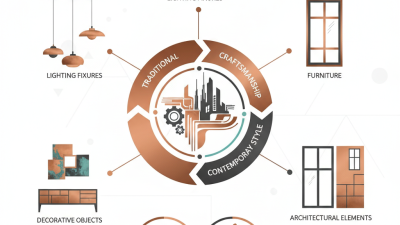
Varnished copper brings a unique charm to various applications. Its rich color and sheen can elevate any space. The glossy finish not only enhances the copper's natural luster but also adds a protective layer. This layer helps maintain its aesthetic appeal over time. A well-maintained varnished copper piece shines bright, drawing attention effortlessly.
The visual benefits are striking in both indoor and outdoor settings. Think of gleaming light fixtures or decorative wall art that adds warmth. The vibrant reflections can create a cozy atmosphere. However, achieving this alluring look requires ongoing care. Dust and tarnish will appear over time, demanding some maintenance. Regular cleaning will ensure that the beauty of varnished copper remains intact. It demands attention but rewards with stunning visual impact.
Some may overlook the imperfections found in polished surfaces. Small scratches can detract from the overall elegance. These flaws remind us that beauty is often intertwined with the need for vigilance. Acknowledging these imperfections can be the first step toward maintaining a stunning appearance. Embracing the care required can enhance one’s appreciation for the distinct character of varnished copper.
Improved Longevity: How Varnished Copper Extends Product Lifespan
Varnished copper offers significant advantages for various applications. One of the standout benefits is its improved longevity. A varnished layer protects copper from environmental factors like moisture and air. This protection minimizes the risk of tarnishing and corrosion, which can compromise structural integrity.
Many industries benefit from using varnished copper. Electrical components, for instance, see increased lifespan due to reduced oxidation. This durability can lower replacement costs in the long run, providing greater value. However, improper varnishing techniques can lead to uneven coatings. Such issues may create weak points in protection.
Furthermore, varnished copper often retains its aesthetic appeal. The glossy finish appeals to architects and designers. Yet, over time, maintenance may be required to keep the luster intact. It’s important to assess any wear regularly. Acknowledging these factors ensures the longevity of varnished copper products, promoting sustainable practices in material use.
Top 5 Benefits of Varnished Copper You Should Know
| Benefit |
Description |
Impact on Longevity |
| Corrosion Resistance |
Varnished copper is protected from oxidation and corrosion, enhancing its durability. |
Reduces maintenance frequency and prolongs product lifespan. |
| Aesthetic Appeal |
The varnish gives copper a polished look, making it suitable for decorative uses. |
Maintains visual appeal over time, increasing product value. |
| Electrical Conductivity |
Varnished copper maintains high electrical conductivity, essential for electrical applications. |
Ensures longer functional lifespan in electrical components. |
| Thermal Conductivity |
Varnished copper retains its excellent thermal conductivity, beneficial for heat exchange applications. |
Enhances efficiency and longevity of thermal systems. |
| Ease of Cleaning |
The varnish surface is easier to clean, preventing grime build-up. |
Promotes a longer lifespan by reducing wear from cleaning processes. |
Cost-Effectiveness: Economic Benefits of Using Varnished Copper
Varnished copper is gaining attention for its cost-effectiveness in various applications. Reports indicate that companies using varnished copper can save up to 30% on maintenance costs. This is primarily due to its resistance to corrosion and wear. A study by the Copper Development Association highlights that varnished copper outperforms uncoated copper in longevity and durability, making it a smart investment.
In addition to long-term savings, varnished copper offers a significant upfront cost advantage. The initial price may be slightly higher, but the reduction in replacement costs is substantial. Industries such as electrical and plumbing benefit greatly from its use. In fact, many manufacturers cite a reduction in downtime due to fewer replacements and repairs. Tips for maximizing these benefits include regular inspections to assess the varnish condition.
Keep in mind that while varnished copper is economical, occasional reapplication of the varnish can enhance performance. Weather conditions can impact its lifespan, so understanding local environmental factors is essential. Adjustments based on these factors can lead to improved cost savings.
Thermal Conductivity: The Performance Advantages of Varnished Copper
Varnished copper is gaining popularity for its remarkable thermal conductivity. This material excels in transferring heat, making it ideal for various applications. With a smooth varnished surface, it minimizes oxidation. This feature enhances its ability to conduct heat efficiently.
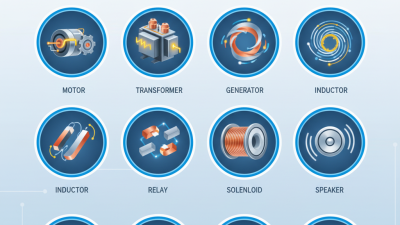
Using varnished copper in electrical components can yield significant performance benefits. For example, in motors, it improves energy efficiency. Enhanced conductivity means less energy waste, which can lead to lower operating costs over time. However, not all applications require varnished copper. Assess your specific needs carefully before choosing this material.
Tips: Ensure proper insulation around varnished copper to avoid unwanted heat loss. Regularly check the varnish for wear or damage. Maintaining the integrity of the varnish is crucial for optimal performance.