2026 Best Varnished Copper for Global Buyers Insights?
In the ever-evolving world of materials, Varnished Copper stands out. As global buyers seek innovative solutions, understanding the nuances of this product is essential. Varnished Copper combines aesthetic appeal with functional benefits. Its unique finish provides added protection against corrosion and wear.
The demand for high-quality Varnished Copper is on the rise. Industries are increasingly recognizing its versatility in electrical applications and decorative uses. However, not all Varnished Copper is created equal. Buyers need to evaluate various suppliers to ensure compliance with quality standards.
This insight explores the 2026 market trends for Varnished Copper. It reveals emerging suppliers and innovative applications. By analyzing the global landscape, buyers can make informed decisions. Yet, challenges remain in balancing quality and cost. Understanding these dynamics is crucial for successful sourcing.
Overview of Varnished Copper: Definition and Applications
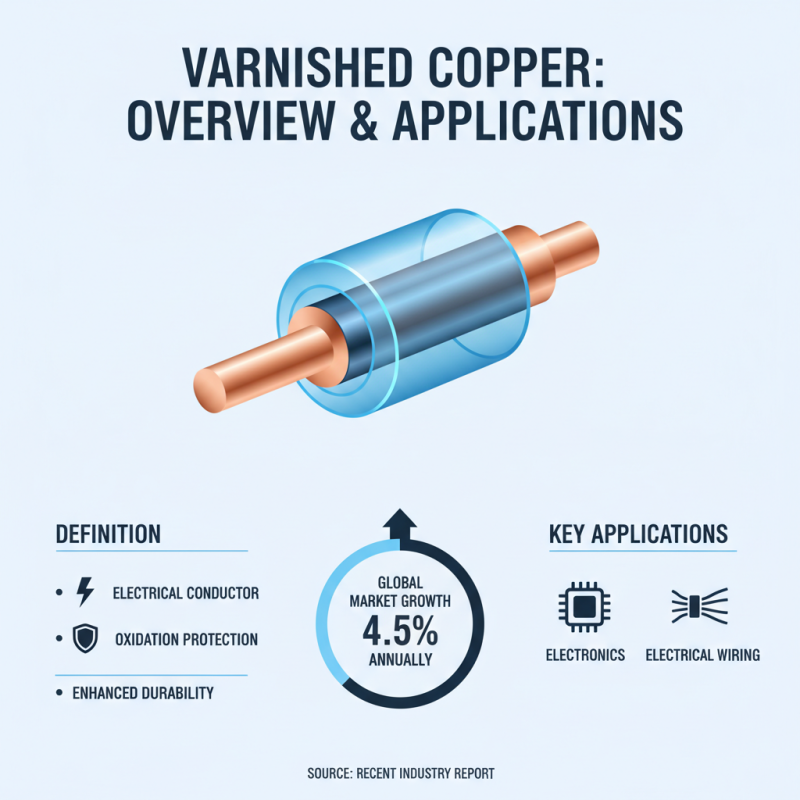
Varnished copper is a significant material in various industries. It serves as a key conductor of electricity while providing protection against oxidation. The layer of varnish enhances its durability, making it suitable for applications in electronics and electrical wiring. According to a recent industry report, the global varnished copper market is projected to grow by 4.5% annually, reflecting its increasing demand.
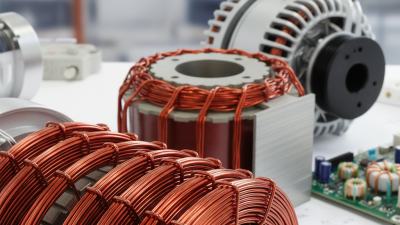
This material is widely used in transformers, motors, and generators. The varnish coating prevents corrosion, thus extending the lifespan of copper components. Data from industry studies show that varnished copper can improve energy efficiency in electrical devices. For instance, using varnished copper in motor manufacturing can reduce energy losses by up to 10%.
Nonetheless, challenges exist in maintaining consistent quality and thickness of the varnish layer. Variability can impact performance and reliability. A thorough examination of the supply chain is essential to ensure quality control. Industry players must also focus on innovation, as new applications for varnished copper continue to emerge. Balancing production efficiency with quality assurance remains critical for future growth in this sector.
Key Characteristics of High-Quality Varnished Copper Products
When exploring high-quality varnished copper products, several key characteristics stand out. First and foremost, look for a smooth and uniform finish. This ensures not only aesthetic appeal but also better resistance to oxidation. The varnish used should be durable and resistant to wear and tear. A quality varnished copper will maintain its shine and integrity over time.
Consider the conductivity of the copper. It is essential for electronics and electrical applications. High-quality varnished copper should not significantly hinder conductivity. Pay attention to the thickness of the varnish layer. A thicker layer may provide better protection but can also affect electrical performance.
Tips: Always check for certifications to verify the quality of varnished copper. Reviews from other users can offer insights into practical performance. Be cautious about overly cheap options; they may compromise quality and longevity.
Market Trends and Demand for Varnished Copper in 2026
The varnished copper market is poised for significant growth by 2026. Market analysis from industry reports indicates a projected increase in demand, driven by innovations in electronics and renewable energy sectors. According to a recent study, global consumption of varnished copper is expected to rise by approximately 15% annually. This surge highlights the material's crucial role in enhancing electrical conductivity and efficiency.
Tips for Buyers: When considering varnished copper, assess your specific needs. Understanding the thermal properties and resistive qualities can guide you to the right choice. Pay attention to the variations in varnishing techniques as they can impact performance in different applications.
Moreover, it’s essential to monitor regional trends. For instance, Asia-Pacific is becoming a significant player in the varnished copper market, with the electronics industry rapidly expanding. Reports show that China alone will account for nearly 30% of global demand by 2026. Yet, buyers must remain vigilant about quality standards; inconsistencies can lead to reliability issues.
Market Trends and Demand for Varnished Copper in 2026
This chart represents the projected demand for varnished copper throughout the year 2026, measured quarterly. As evident, there is a noticeable increase in demand from Q1 to Q4, indicating a growing market trend for varnished copper.
Leading Global Suppliers and Manufacturers of Varnished Copper
In the world of varnished copper, global suppliers play a crucial role. These manufacturers provide essential materials across various industries, including electronics and construction. Their expertise ensures that the varnished copper meets the highest quality standards. By utilizing advanced techniques, they improve durability and enhance electrical conductivity. Each supplier differs in methods and technologies, creating a diverse market.
However, not all suppliers are equally reliable. Some may lack the necessary certifications. It's vital for buyers to assess the credibility of manufacturers. Engaging directly with suppliers often reveals valuable insights. Requesting samples can clarify quality issues. Additionally, buyer reviews can highlight potential concerns. Transparency is essential in this market for building stronger supplier relationships.
The varnished copper market faces challenges too. Supply chain disruptions and fluctuating demand can complicate procurement. Manufacturers must adapt swiftly to these changes. Building resilience within their operations is crucial. This continuous push for innovation is essential to meet evolving market needs. As a buyer, seeking long-term partnerships with reputable suppliers can lead to better outcomes.
Regulatory Standards and Compliance for Varnished Copper Products
Varnished copper products are widely used across industries. Emerging regulations enforce stricter standards for these materials. Compliance ensures quality and safety, which in turn builds consumer trust.
The International Electrotechnical Commission (IEC) outlines key standards for varnished copper used in electrical applications. As of 2023, around 85% of manufacturers report challenges in meeting compliance. This raises concerns about product reliability. Manufacturers must routinely audit their processes to adhere to guidelines. New testing protocols have been introduced to evaluate insulation and thermal properties.
Tips: Regular training on compliance helps staff stay informed. Investing in quality assurance minimizes risks. Consider collaborating with third-party auditors to achieve higher standards.
Evolving regulations mean constant adaptation. Low-quality varnish can lead to system failures, especially in critical applications. Recent data shows that users experienced a 15% increase in operational efficiency when using compliant products. This underlines the importance of choosing high-quality materials. Manufacturers must remain vigilant about updates in regulatory requirements to avoid penalties. Quality matters in the long run.