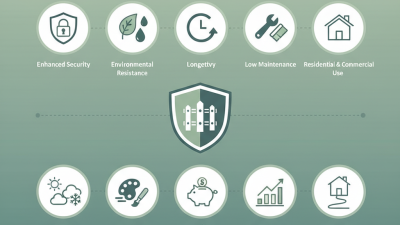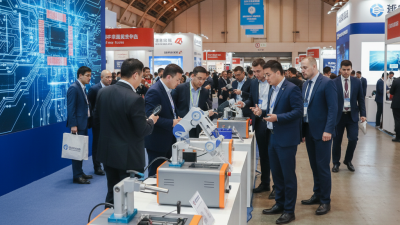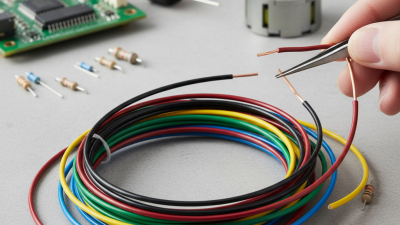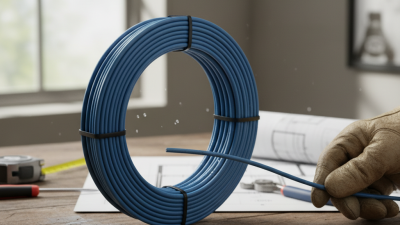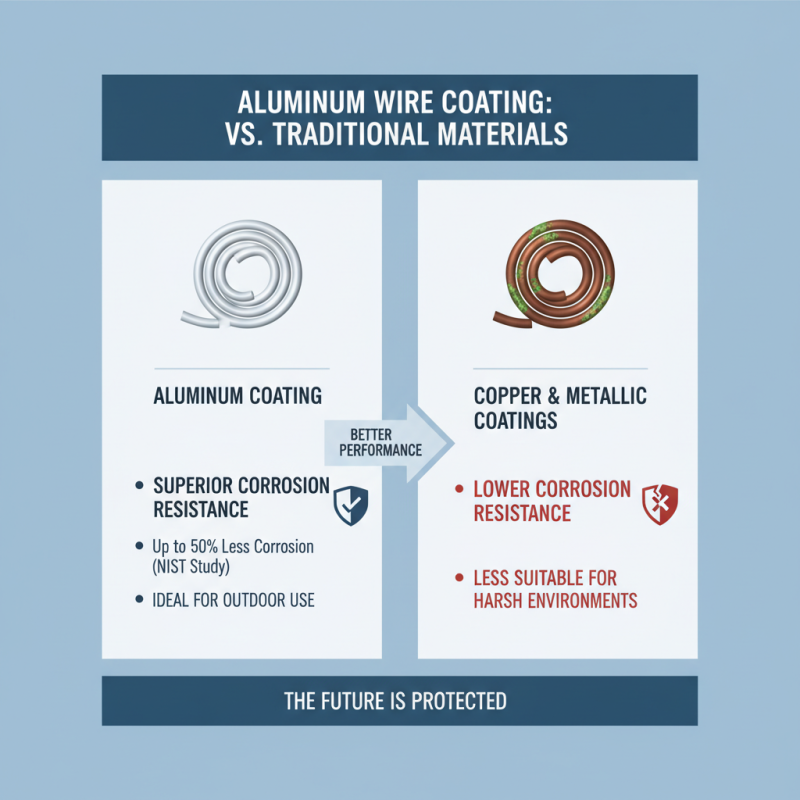
When it comes to manufacturing, choosing the right materials can make all the difference. Aluminum Wire Coating is a powerful option in the industry. This coating enhances the durability and performance of aluminum wires. It creates a protective layer that resists corrosion and environmental damage.
Aluminum Wire Coating is not just about longevity. It also improves conductivity. Manufacturers benefit from improved efficiency and lower energy costs. This coating can lead to better overall product quality. However, the selection process should not be rushed.
It’s important to weigh the pros and cons. While Aluminum Wire Coating offers many advantages, it’s crucial to consider your specific needs. Each manufacturing process may require different properties. Understanding these requirements can lead to better decisions. Thus, exploring this material can open doors to innovation in manufacturing practices.
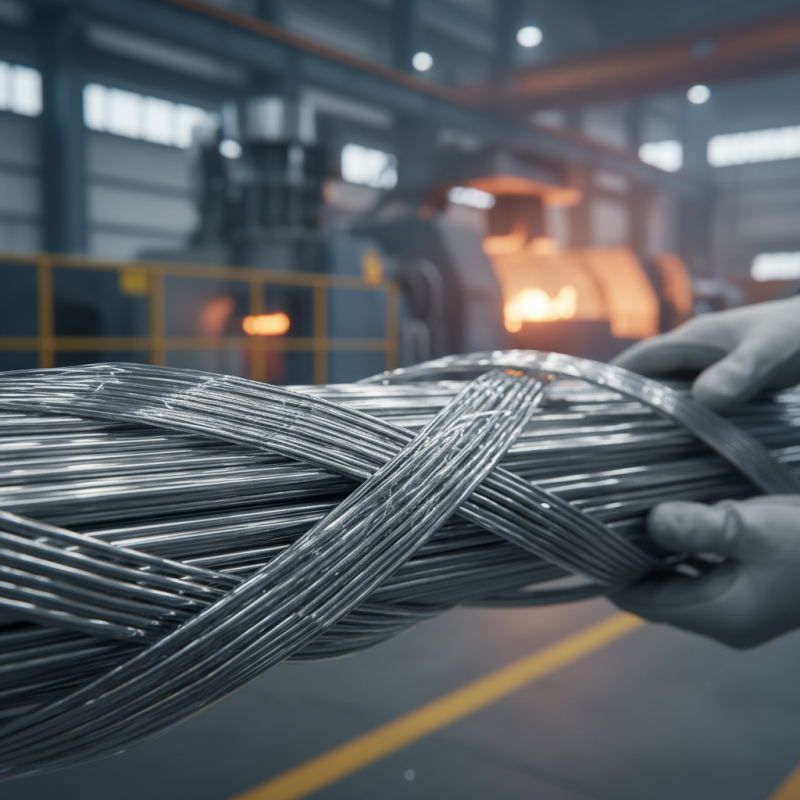
Aluminum wire coating has become increasingly popular in various manufacturing applications. Its lightweight properties make it an excellent choice for industries aiming to reduce overall weight without sacrificing performance. Additionally, aluminum provides excellent conductivity, making it ideal for electrical applications. The durability of aluminum wire coating increases the lifespan of products, leading to long-term cost savings.
When considering aluminum wire coating, it's crucial to evaluate its resistance to corrosion. This characteristic is vital for outdoor applications or environments with moisture exposure. Insulation quality is another factor to assess. Proper insulation prevents electrical faults and enhances safety. The application process can also impact performance; hiring experienced professionals ensures optimal coating adhesion and thickness.
Tips for choosing aluminum wire include testing its conductivity under real-world conditions. Evaluate its reaction to various environmental factors. Always seek expert guidance on the best aluminum type for your needs. Taking time to reflect on these details can lead to better product choices and improved safety.
Aluminum wire coating offers distinct advantages over traditional materials. When compared to copper or other metallic coatings, aluminum shows superior corrosion resistance. A study by the National Institute of Standards and Technology indicated that aluminum coatings can reduce corrosion rates by up to 50% in harsh environments, making them ideal for outdoor applications.
Moreover, aluminum is lightweight, which can enhance the efficiency of various products. The average weight savings of aluminum wire coating over copper is approximately 30%. This reduction can lead to lower transportation costs and increased energy efficiency in manufacturing processes. However, it is important to note that while aluminum is less expensive than other metal coatings, its application requires specialized techniques that can complicate manufacturing.
On the other hand, aluminum does have its downsides. For instance, in situations where high electrical conductivity is a priority, copper may still be the better option. Furthermore, aluminum can be more susceptible to certain types of mechanical wear. This trade-off necessitates careful consideration of specific manufacturing needs when selecting the appropriate coating material. While aluminum wire coating presents clear benefits, its limitations remind manufacturers to evaluate their unique requirements thoroughly.
Aluminum wire coating has gained traction in manufacturing due to its numerous benefits. The choice of such coatings is influenced by several key factors. One major factor is conductivity. Aluminum conducts electricity well, making it ideal for various applications. Additionally, weight plays a significant role. Aluminum is lightweight yet strong, reducing overall project weight.
Another factor is corrosion resistance. Aluminum naturally forms an oxide layer, protecting against environmental factors. This property extends the lifespan of products, especially in harsh conditions. Cost-effectiveness is also important. Aluminum coatings are often cheaper than other materials without sacrificing quality.
**Tip:** Always consider your specific application. Different environments may require various coating types.
Also, the aesthetic appeal of aluminum coatings shouldn’t be neglected. They can enhance the look of a final product. However, it’s essential to weigh the advantages against potential downsides. Some users report difficulty in application. Finding the right process and conditions can be challenging. This requires patience and experimentation.
**Tip:** Test a small sample before full-scale application. This approach helps identify any issues upfront. Understanding these factors ensures you make informed decisions for your manufacturing needs.
Aluminum wire coating has gained traction across various industrial applications due to its unique properties. In electronics, it is critical for ensuring optimal conductivity. The lightweight nature of aluminum minimizes transport costs. It also enhances the thermal management of devices. This improves performance and longevity.
The automotive industry showcases aluminum wire coatings in wiring harnesses. It provides corrosion resistance and excellent electrical properties. These features are vital for modern electric vehicles. They demand lightweight materials to maximize efficiency.
**Tip:** When selecting aluminum wire, consider its specific application. Matching the wire type to the intended use can lead to significant performance improvements.
In construction, aluminum wire coatings play a role in ensuring durable connections for power distribution. Their resistance to rust and oxidation extends the cables' lifespan. This aspect can save costs over time.
**Tip:** Regular inspections of coated wires can help identify potential issues early. Preventative measures prevent larger problems later.
Aluminum wire coatings are versatile in different sectors. They offer solutions that meet both performance and durability needs. However, awareness of the limitations and challenges is crucial for effective use. A well-rounded approach considers both benefits and potential drawbacks.
| Application Area | Benefits of Aluminum Wire Coating | Common Uses |
|---|---|---|
| Electrical Wiring | High conductivity and lightweight | Household wiring and industrial applications |
| Automotive Industry | Corrosion resistance and durability | Wiring harnesses and electric vehicles |
| Aerospace | Lightweight and high-performance | Aircraft wiring and components |
| Telecommunications | Signal integrity and minimal attenuation | Cables and network systems |
| Construction | Cost-effective and versatile | Building wiring and lighting solutions |
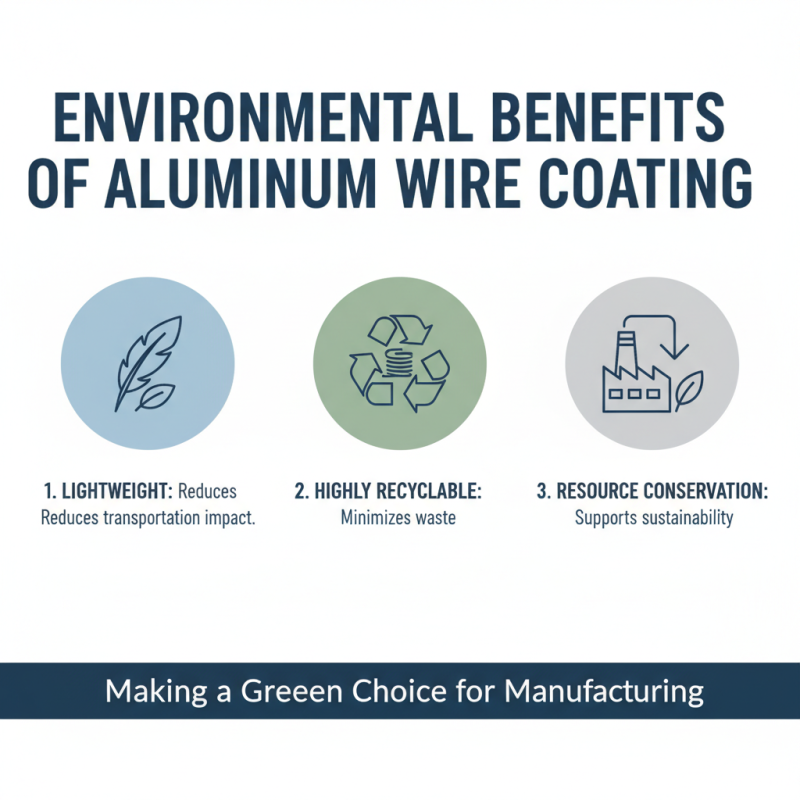
Using aluminum wire coating in manufacturing brings several environmental benefits. Aluminum is lightweight and highly recyclable. This makes it an attractive option for businesses focused on sustainability. When companies choose aluminum, they help reduce waste. This is crucial in a world where resource conservation is increasingly important.
Tip: Consider sourcing aluminum from suppliers who prioritize recycling. This can further enhance your sustainability efforts.
Another point to consider is the energy consumption associated with aluminum production. While it can be high, advancements in technology are helping to lower this. Transitioning to more efficient production methods is key. It’s important to keep track of these developments and assess their impact on your operations.
Tip: Regularly evaluate your supply chain. Look for ways to improve your environmental footprint. Small changes can lead to significant benefits in the long run.