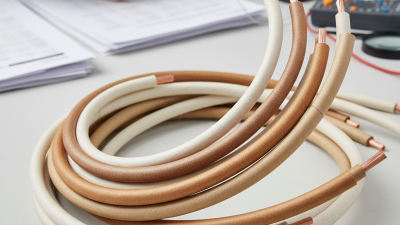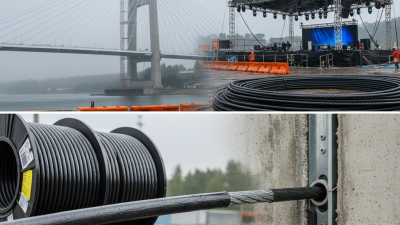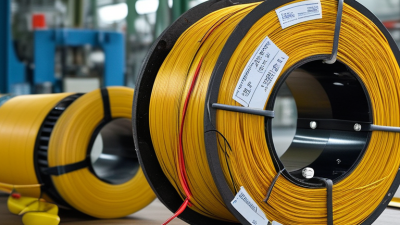
For global buyers, “3 8 Coated Cable” usually refers to 3/8-inch coated wire rope used in fitness equipment, marine fittings, architectural systems, and light lifting applications. The coating may be PVC, nylon, or another engineered polymer. It protects the steel core from moisture, abrasion, and handling damage. It does not make the cable automatically suitable for every load.
Grand View Research valued the global wire rope market at approximately USD 10.84 billion in 2023. Its report forecasts continued growth through 2030, supported by construction, mining, transport, and industrial equipment demand. However, this figure covers wire rope broadly, not only 3 8 Coated Cable. That distinction matters. Buyers should not treat broad market growth as proof of product quality.
A. H. McMullen, a recognized wire-rope authority, is often credited with the practical reminder, “Wire rope is a machine.” Its strands move under tension. Its coating can conceal corrosion, broken wires, crushed sections, or poor termination. That detail is easy to miss.
This guide compares ten common types of 3 8 Coated Cable for international purchasing teams. It considers core construction, coating material, breaking strength, flexibility, temperature resistance, and end-fitting compatibility. ISO 4309 emphasizes inspection, discard criteria, and safe rope management. OSHA 1910.184 also requires appropriate inspection and safe-use practices for wire-rope slings in the United States.
Product labels can be incomplete. Specifications may use different testing methods. Verify diameter, minimum breaking force, coating thickness, certificates, and operating environment before ordering. A lower price may hide higher replacement costs. This guide offers a practical starting point, not a substitute for engineering review.
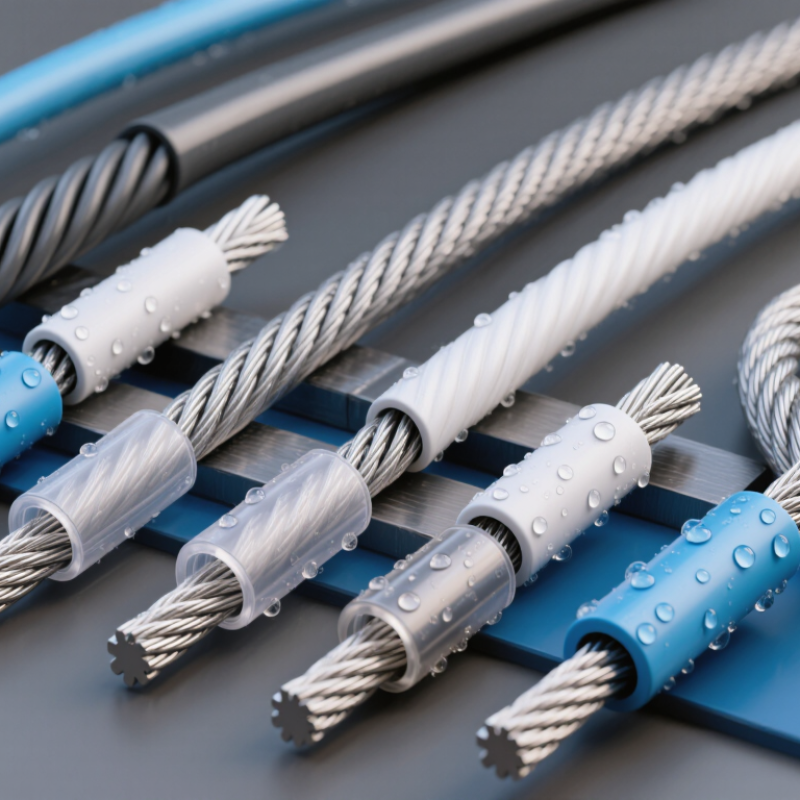
A 3/8 coated cable is a flexible steel wire rope covered by a protective polymer jacket. The 3/8-inch measurement often describes the finished outside diameter, not the bare steel core. This difference matters when checking pulleys, clamps, and drilled openings. Always confirm the supplier’s measurement method.
Inside, several steel wires twist around a central core. The strands create flexibility, while the metal carries the working load. A plastic coating then forms a continuous outer layer around the rope. Common jacket materials include PVC, nylon, and polyurethane. Each material reacts differently to sunlight, moisture, abrasion, oil, and low temperatures.
The coating can reduce contact damage and improve handling. It does not automatically increase the cable’s safe working load. In field inspections, I check for cuts, flattened areas, exposed wires, rust stains, and loose end fittings. Small surface marks may look harmless. They may not be.
Buyers should request the bare diameter, finished diameter, construction type, steel grade, coating material, and breaking strength. A clear test report adds useful confidence, but paperwork cannot replace inspection. One practical mistake is measuring only the coated cable with a ruler. A caliper gives a more reliable reading. Installation also affects performance. Sharp bends, undersized sheaves, and crushed sections can shorten service life, even when the cable appears new.
What 3/8 coated cable is and how its construction works
The chart compares common wire-rope constructions used inside nominal 3/8-inch coated cable. The value represents the calculated number of metallic wires in each rope construction, based on the strand arrangement. Coating thickness, steel grade, core type, and manufacturing standards can affect the final outside diameter, flexibility, and breaking strength.
A 3/8 coated cable usually combines a steel core with a protective polymer jacket. The core carries the load, while the coating limits moisture, abrasion, and contact damage. Galvanized carbon steel remains a practical choice for general outdoor use. Its zinc layer helps slow corrosion, but scratches can expose the steel beneath. Stainless steel offers stronger corrosion resistance, especially near saltwater, food-processing areas, and humid facilities. It usually costs more. That trade-off matters.
The inner cable may use independent wire rope construction or compact strands. Independent wire rope construction improves flexibility and fatigue performance. Compact strands can provide higher strength within a similar diameter. Coating materials also change performance. PVC is economical and easy to process. Nylon resists abrasion and handles repeated movement well. TPU provides useful flexibility, oil resistance, and low-temperature performance. However, no coating performs perfectly in every environment.
Procurement teams should verify the actual steel grade, coating thickness, hardness, and adhesion. A smooth surface is not enough. Check whether the jacket cracks after bending around the intended pulley or fitting. Measure the finished diameter, because coating thickness affects installation clearance. Request tensile data for the complete cable, not only the bare core. UV exposure, salt spray, temperature cycling, and chemical contact deserve separate review. Supplier documents can be incomplete, and that is a point worth challenging before approval. Small differences in polymer formulation may change service life more than expected.
Top 10 Types of 3/8 Coated Cable for Global Buyers
The Main Types of 3/8 Coated Cable by Core and Coating
A 3/8-inch coated cable starts with its core construction. Common options include 1x7, 1x19, 7x7, 7x19, 7x37, 6x19 IWRC, 6x37 IWRC, stainless 1x19, galvanized 7x19, and galvanized 7x7. These designs balance flexibility, strength, and resistance to crushing. Fiber-core cables bend smoothly but tolerate less heat. Independent wire rope core cables support heavier loads and repeated bending. The difference matters during pulley operation.
Coating materials change the cable’s working behavior. PVC offers economical abrasion protection and bright color visibility. Nylon generally handles repeated movement better, but it can cost more. Polyurethane provides strong wear resistance in demanding industrial environments. Galvanized steel improves corrosion resistance beneath the coating. Stainless steel suits humid or salt-exposed areas, although its breaking strength may differ from carbon steel. The coating also increases the finished diameter, sometimes noticeably.
Grand View Research valued the global wire rope market at about USD 10.51 billion in 2022. Its report projected approximately 4.7% annual growth through 2030. That expansion increases demand for reliable coated constructions, not simply lower prices. Buyers should compare measured breaking force, bend-fatigue results, coating thickness, and temperature limits. ISO 2408 and ASTM A1023/A1023M provide useful reference points for rope construction and testing. A practical warning: nominal 3/8-inch size does not guarantee equal performance. Real installations can expose weak fittings, uneven coating, or poor storage. No single type wins.
| No. | Cable Type | Core and Construction | Common Cable Material | Typical Coating | Nominal Bare Diameter | Typical Finished Outside Diameter | Flexibility | Typical Applications |
|---|---|---|---|---|---|---|---|---|
| 1 | 3/8 in 7×7 PVC-Coated Cable | 7 strands, with 7 wires per strand; compact general-purpose construction | Galvanized carbon steel | Flexible PVC, commonly clear, black, or colored | 3/8 in (9.525 mm) | Approximately 1/2 in (12.7 mm) | Moderate | Guardrails, light barriers, fitness equipment, display systems, and general tie-down assemblies |
| 2 | 3/8 in 7×19 PVC-Coated Cable | 7 strands, with 19 wires per strand; more wires provide improved bending flexibility | Galvanized carbon steel | Flexible PVC | 3/8 in (9.525 mm) | Approximately 1/2 in (12.7 mm) | High | Sheaves, pulleys, retractable systems, marine fittings, and repeated-bending applications |
| 3 | 3/8 in 1×19 PVC-Coated Cable | 19 wires arranged in one strand; low stretch and high dimensional stability | Galvanized carbon steel | Flexible or semi-rigid PVC | 3/8 in (9.525 mm) | Approximately 1/2 in (12.7 mm) | Low to moderate | Architectural cable systems, straight runs, bracing, railings, and tensioned structures |
| 4 | 3/8 in 6×19 Fiber-Core PVC-Coated Cable | 6 strands around a fiber core; the fiber center improves flexibility and reduces weight | Galvanized carbon steel with natural or synthetic fiber core | Flexible PVC | 3/8 in (9.525 mm) | Approximately 1/2 in (12.7 mm) | High | Manual lifting equipment, winches, general rigging, and applications requiring easier handling |
| 5 | 3/8 in 6×19 IWRC Nylon-Coated Cable | 6 strands around an independent wire-rope core; stronger and more crush-resistant than fiber-core designs | Galvanized carbon steel with independent wire-rope core | Nylon or polyamide | 3/8 in (9.525 mm) | Approximately 7/16 to 1/2 in (11.1–12.7 mm) | Moderate | Winches, industrial lifting systems, cable drums, and abrasion-prone mechanical equipment |
| 6 | 3/8 in 7×19 Nylon-Coated Cable | 7 strands with 19 wires per strand; fine-strand design supports frequent bending | Galvanized carbon steel | Nylon or polyamide | 3/8 in (9.525 mm) | Approximately 1/2 in (12.7 mm) | High | Sheaves, cable controls, marine mechanisms, fitness machines, and moving cable assemblies |
| 7 | 3/8 in 7×7 Stainless Steel PVC-Coated Cable | 7 strands with 7 wires per strand; balanced strength, corrosion resistance, and moderate flexibility | Austenitic stainless steel, commonly 304 or 316 grade | Clear, black, or colored PVC | 3/8 in (9.525 mm) | Approximately 1/2 in (12.7 mm) | Moderate | Outdoor railings, marine hardware, architectural fittings, balustrades, and exposed installations |
| 8 | 3/8 in 7×19 Stainless Steel PVC-Coated Cable | 7 strands with 19 wires per strand; high flexibility combined with stainless corrosion resistance | Austenitic stainless steel, commonly 304 or 316 grade | Flexible PVC | 3/8 in (9.525 mm) | Approximately 1/2 in (12.7 mm) | High | Marine control systems, outdoor pulley assemblies, movable barriers, and coastal applications |
| 9 | 3/8 in 1×19 Stainless Steel Nylon-Coated Cable | 19-wire single strand; stable, low-stretch construction for straight tensioned runs | Austenitic stainless steel, commonly 304 or 316 grade | Nylon or polyamide | 3/8 in (9.525 mm) | Approximately 7/16 to 1/2 in (11.1–12.7 mm) | Low to moderate | Architectural tension cables, balustrades, shade structures, and corrosion-sensitive installations |
| 10 | 3/8 in 7×19 Polyurethane-Coated Cable | 7 strands with 19 wires per strand; flexible construction with a tough protective outer layer | Galvanized carbon steel or stainless steel | Thermoplastic polyurethane (TPU) | 3/8 in (9.525 mm) | Approximately 1/2 in (12.7 mm) | High | Industrial automation, outdoor mechanisms, abrasion-prone equipment, and applications needing oil-resistant coating |
Top 10 Types of 3/8 Coated Cable for Global Buyers
How to Compare Strength, Flexibility, and Corrosion Resistance
For global buyers, “3/8 coated cable” usually describes a 3/8-inch finished diameter. The steel core may be smaller. Always verify the core diameter, construction, and rated breaking strength. A 7x19 core normally bends more easily than a 7x7 core. However, extra flexibility can reduce resistance to crushing and abrasion. Match the cable to the pulley size, load movement, and required safety factor.
Common options include PVC-coated galvanized cable, nylon-coated cable, polyurethane-coated cable, and stainless-steel cable with a protective jacket. PVC works well for general outdoor use and offers balanced cost and flexibility. Nylon can resist wear effectively but may stiffen in cold conditions. Polyurethane often handles abrasion better, especially around sharp guides. Stainless steel improves corrosion resistance in marine or humid areas, but it may cost more and still needs proper maintenance.
Coating thickness matters. A thick jacket can protect the wires, yet it may hide broken strands during inspection. Saltwater, chemicals, heat, and trapped moisture can shorten service life. Inspect the termination points first; corrosion often starts there. Ask suppliers for tensile test reports, coating specifications, bend-radius data, and production-lot traceability. One purchasing mistake is comparing only breaking strength. I have seen cables fail because their coating split under repeated bending. The label looked acceptable. The application was not. Test a sample under real movement before approving a large order.
Top 10 Types of 3/8 Coated Cable for Global Buyers
Choosing a 3/8 coated cable requires more than comparing price and appearance. Buyers should confirm the core construction, coating material, finished diameter, tensile strength, and working load. A cable marked “3/8 inch” may refer only to the steel core. The outer coating can increase the actual diameter significantly.
Selection should match the operating environment. PVC coatings suit many general applications, while polyurethane can offer better abrasion resistance. For outdoor use, check UV exposure, moisture, salt spray, and temperature changes. Stainless steel construction may support demanding environments, but it still needs inspection. Ask for material certificates, test reports, dimensional records, and traceability documents. Compliance requirements differ by destination, industry, and application. Confirm current import, chemical, safety, and labeling rules before shipment.
Tips: Request a sample before bulk purchasing. Measure the coated diameter with a caliper. Compare the stated breaking load with the required working load, not just the headline strength. Inspect the coating for cuts, bubbles, uneven thickness, and exposed wire. I have seen apparently similar cables perform differently because their coatings were tested under different conditions. A certificate helps, but it does not replace verification. No checklist is perfect. Recheck assumptions when the cable will face vibration, sharp bends, or repeated loading. Temperature data is often overlooked, and that mistake can become expensive.