Best Paper Covered Wire for Global Buyers in 2026
As we look ahead to 2026, the demand for Paper Covered Wire is projected to rise significantly due to its versatile applications. According to market research, the Paper Insulated Wire market alone is expected to grow by 5.2% annually. This growth is largely driven by the electrical and automotive industries, where reliable insulation is crucial.
Paper Covered Wire is known for its excellent performance in high-temperature environments. It has been widely used in transformers, motors, and generators. However, challenges remain, particularly regarding sustainability. The industry faces pressure to adopt environmentally friendly practices. Reportedly, only 30% of manufacturers currently use recyclable materials in production.
The market's evolution necessitates innovation and adaptation. Industry leaders must navigate shifting regulations and consumer expectations. Staying ahead requires a commitment to quality and sustainability, which are becoming increasingly important in competitor evaluation. The focus on Paper Covered Wire must include elevating production standards and enhancing supply chain transparency for greater trust and reliability.
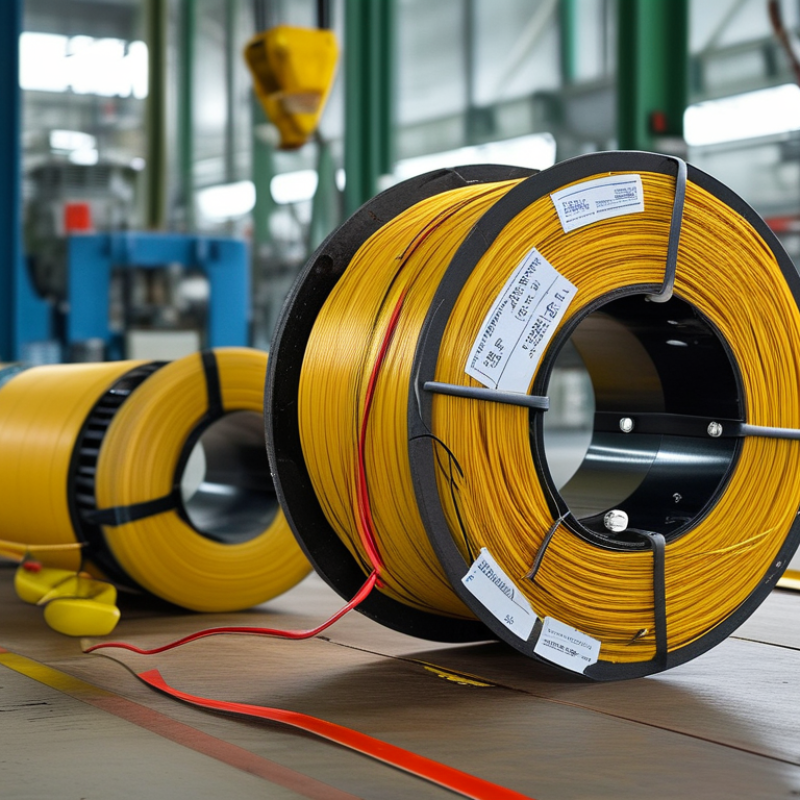
Overview of Paper Covered Wire: Definition and Uses
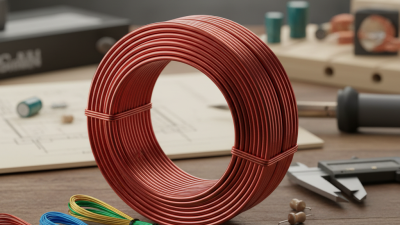
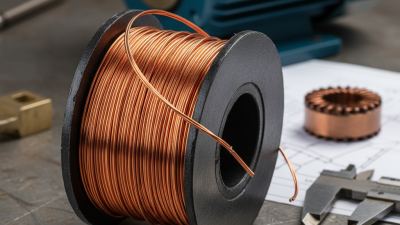
Paper covered wire is an essential component in various industries. It consists of a conductive wire wrapped in layers of paper insulation. This design offers several advantages, including lightweight and flexibility. The applications are diverse, ranging from electronics to automotive sectors. However, users must consider the specific requirements of their projects. Not every type of paper covered wire suits all conditions.
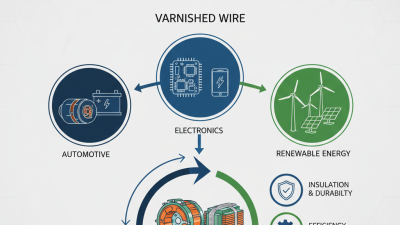
In the electronics industry, paper covered wire is often utilized for coils and transformers. It effectively withstands heat, making it suitable for high-temperature applications. In contrast, automotive uses may require different insulation qualities. Users might overlook these details, leading to performance issues. Understanding the nuanced requirements is crucial for achieving optimal results.
The sustainability aspect of paper covered wire is noteworthy. Paper is more environmentally friendly compared to plastic insulation. Yet, the production process can raise questions about resource consumption. Buyers should weigh the benefits against the ecological impact. It is important to seek reliable sources and ensure compliance with industry standards. The choices made today can influence future innovations in wire manufacturing.
Key Materials Used in Manufacturing Paper Covered Wire
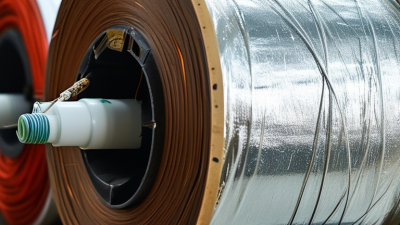
In manufacturing paper covered wire, choosing the right materials is crucial. Typically, cotton and paper are the primary components. Cotton brings durability and flexibility, enhancing the wire's overall strength. Paper, when treated, adds a protective layer that ensures insulation and resistance to moisture. This combination is often favored for its lightweight properties.
Manufacturers also use special coatings in the process. These coatings can include natural oils or waxes. They improve the wire's conductivity and extend its life. However, sourcing high-quality raw materials can be a challenge. Variability in material quality may affect performance. It's essential to establish strong relationships with suppliers for consistent quality control.
When considering future production in 2026, innovations in materials should not be overlooked. Advanced composites may offer improved performance characteristics. However, embracing new materials requires careful testing. Manufacturers must balance between innovation and reliability. The path forward invites both excitement and caution.
Market Trends and Demand Projections for 2026
The demand for paper covered wire is expected to rise significantly in 2026. According to market research, the global market is projected to reach approximately $1.5 billion. This growth stems from increasing applications in various sectors, including automotive and construction. Companies are embracing sustainable materials, contributing to a shift in consumer preferences.
Market trends show a growing focus on eco-friendly products. A study revealed that 68% of manufacturers prioritize sustainability. Innovative techniques are enhancing durability while reducing environmental impacts. Yet, challenges remain. Sourcing high-quality raw materials continues to be a hurdle for many. Production costs are also fluctuating, which can affect pricing strategies.
The Asia-Pacific region is anticipated to dominate the market, driven by rapid industrialization. However, the supply chain issues from recent years highlight vulnerabilities. Manufacturers must adapt to changing demands and market conditions. Consumer preferences are shifting rapidly, making adaptability crucial for businesses.
Top Manufacturers and Suppliers of Paper Covered Wire Worldwide
The global demand for paper covered wire is growing. As of 2022, the market was valued at around $300 million. By 2026, this figure is expected to exceed $450 million, reflecting a compound annual growth rate (CAGR) of 7%. This growth highlights the rising need for insulated wires in various applications, including automotive and electronics.
Top manufacturers and suppliers play a crucial role in this industry. They ensure quality and reliability across their product ranges. According to industry reports, North America remains a significant hub for paper covered wire production, accounting for nearly 35% of the global market share. However, emerging manufacturers from Asia are rapidly increasing their influence. Certain companies often face challenges in adhering to strict regulatory standards. This inconsistency can impact market dynamics.
Sustainability practices are becoming increasingly important. Many suppliers are now focusing on eco-friendly materials, yet not all meet required certifications. This gap creates opportunities for further growth and innovation. A reliable supply chain is vital for meeting rising demand. Collaboration between suppliers and manufacturers can enhance product development. Engaging with local economies can bolster market presence and adaptability. Understanding consumer needs is essential for future success.
Best Paper Covered Wire for Global Buyers in 2026 - Top Manufacturers and Suppliers of Paper Covered Wire Worldwide
| Manufacturer Country |
Annual Production Capacity (tons) |
Export Markets |
Product Variety |
Certification |
| USA |
10,000 |
North America, Europe |
Single and Multi-stranded |
ISO 9001 |
| Germany |
12,000 |
Asia, Europe |
Custom Coated |
CE |
| China |
15,000 |
Global |
Thermal Resistant |
RoHS, ISO 14001 |
| Japan |
8,500 |
Asia, Americas |
High Durability |
UL |
| India |
7,000 |
Middle East, Africa |
Eco-friendly |
ISO 50001 |
Environmental Impact and Sustainability in Paper Covered Wire Production
The production of paper covered wire is evolving. Sustainability plays a vital role in this shift. Many producers are now examining their materials and processes. Sourcing eco-friendly paper is a priority. Biodegradable options help reduce waste in landfills. Manufacturers aim to minimize their carbon footprints.
Adopting energy-efficient production methods is crucial. This can lead to lower emissions. However, transitioning to greener practices is often challenging. Smaller companies may struggle with the cost of new technologies. Regulations can vary by region, adding complexity. Finding the right balance between cost and sustainability remains an ongoing issue.
End users are becoming more eco-conscious. They demand products that reflect their values. This trend pushes manufacturers towards innovation. Yet, there is still work to be done. Transparency in sourcing and production methods is essential. Companies must cultivate trust with their buyers. The future of paper covered wire lies in sustainable practices. It's a journey that requires continuous effort and improvement.
Environmental Impact of Paper Covered Wire Production - 2026
This bar chart illustrates the environmental impact of paper covered wire production in 2026, highlighting key factors including CO2 emissions, water usage, waste generation, and energy consumption.