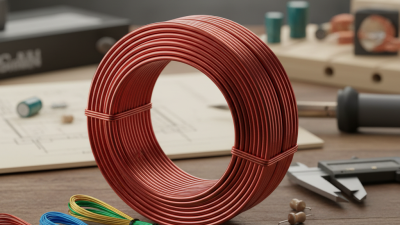
What Is Varnished Wire and Why Is It Important for Global Buyers?
Varnished wire is a crucial component in various industries, including electronics and motors. Its unique properties ensure durability and efficiency. Industry expert Dr. Emily Chen, a leader in the wire manufacturing field, emphasizes, "Varnished wire is essential for optimal performance in electrical applications."
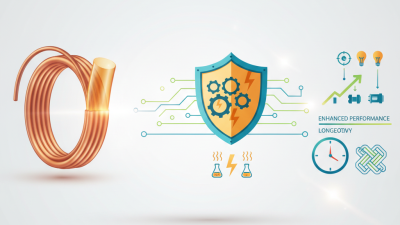
Understanding varnished wire is vital for global buyers. This material insulated with varnish protects against electrical interference and enhances conductivity. As demand grows, buyers must recognize its significance in their supply chains. The quality of varnished wire directly impacts the reliability of final products.
However, the market faces challenges. Many buyers may not fully grasp the complexities of varnished wire production. This lack of knowledge can lead to poor purchasing decisions. It highlights the need for education and awareness in the global market. Investing in quality varnished wire is not just a choice; it is a necessity for success.
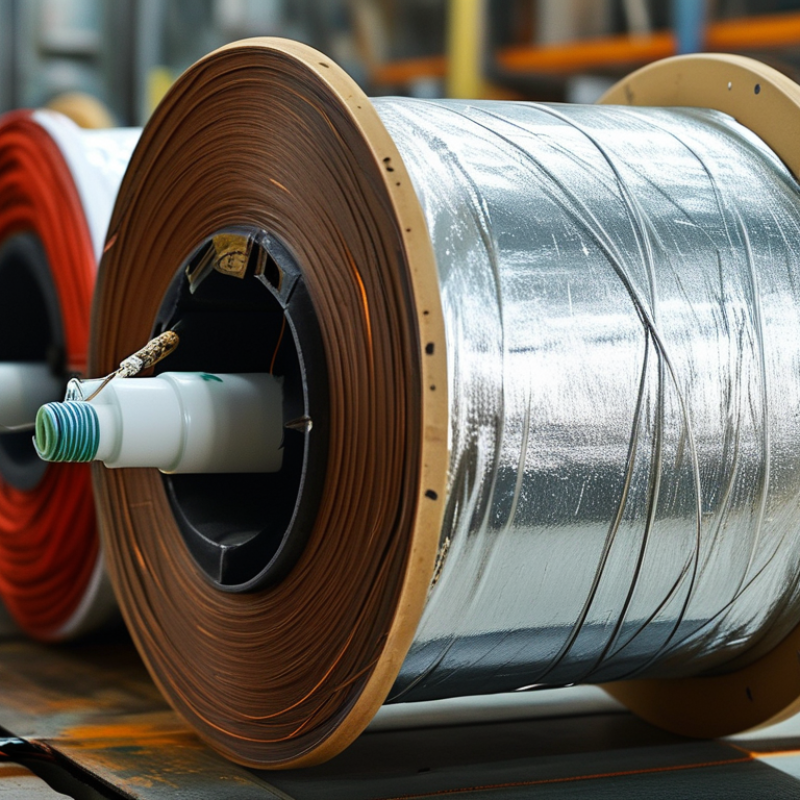
Understanding Varnished Wire: Definition and Composition
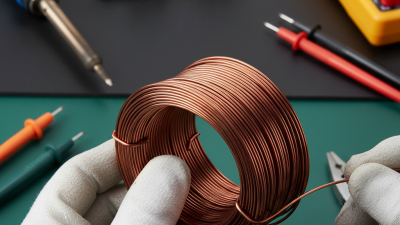
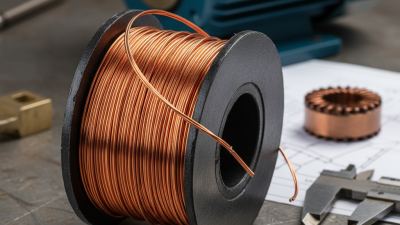
Varnished wire, often referred to as enameled wire, is a type of insulated wire commonly used in electrical applications. This wire has a thin layer of insulating varnish or enamel coating. This coating protects the conductive metal inside, often copper or aluminum, enhancing its durability and performance. The composition typically includes a synthetic resin, which provides excellent insulation properties. Data show that about 70% of electrical equipment uses varnished wire, underscoring its significance.
The global varnished wire market was valued at over USD 2.5 billion in 2022. It is projected to grow significantly in the next five years, driven by the increasing demand for energy-efficient electrical systems. The rise of electric vehicles also contributes to this growth. By incorporating varnished wire, manufacturers can reduce energy loss, leading to eco-friendly solutions. However, challenges exist. Ensuring uniform coating thickness is not always achievable. This inconsistency can affect the performance of the wire, sometimes leading to failures in critical applications.
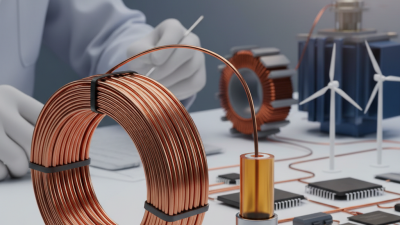
Varnished wire is crucial for global buyers due to its versatility. It is used in motors, transformers, and generators. The wire's ability to withstand high temperatures without losing insulating properties is essential in these applications. However, understanding the quality and manufacturing standards is vital. Not all varnished wire meets industrial benchmarks. Buyers must be cautious, as substandard wire can cause significant operational issues. The importance of testing and certification cannot be overstated in this context.
Key Manufacturing Processes of Varnished Wire
Varnished wire is essential in various industries, particularly in electrical applications. The manufacturing process involves several key stages that ensure the wire is insulated, durable, and efficient. The wire undergoes a stringent cleaning process to remove impurities. This step is crucial, as it affects the adhesion of the varnish.
After cleaning, the application of varnish is executed. This typically utilizes an advanced dipping method, ensuring even coverage. Data from the International Wire and Cable Trade Association indicates that varnished wire can see a performance increase of up to 30% in insulation effectiveness when produced with high-quality materials. This increased efficiency is vital for global buyers focused on energy savings and operational longevity.
The curing process then hardens the varnish. A heated environment is maintained to facilitate this. However, inconsistencies in temperature can lead to weaker insulation. A report by the Worldwide Electric Manufacturing Association noted that improper curing can diminish product reliability by about 15%. Global buyers must consider these manufacturing nuances, as they directly impact the performance of varnished wire in real-world applications.
What Is Varnished Wire and Why Is It Important for Global Buyers? - Key Manufacturing Processes of Varnished Wire
| Attribute |
Description |
Importance for Buyers |
Manufacturing Process |
| Insulation Type |
Polyester, Polyamide, or Epoxy |
Ensures electrical insulation and reduces short-circuit risks |
Wire drawing, coating, and curing |
| Wire Gauge |
Various diameters (e.g., AWG) |
Determines current capacity and application suitability |
Precision drawing and measuring |
| Thermal Rating |
Class 180 to Class 220 |
Impacts longevity and performance in high-temperature applications |
Curing process under controlled temperature |
| Surface Treatment |
Anti-oxidation, anti-corrosion |
Enhances durability and extends product lifespan |
Surface cleaning and applying protective layers |
| Application Areas |
Motors, transformers, and coils |
Directly influences industry needs and supply chain effectiveness |
Winding and assembly in production lines |
Applications of Varnished Wire in Various Industries
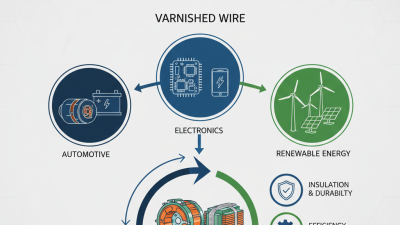
Varnished wire plays a crucial role across various industries. Its applications span electrical motors, transformers, and consumer electronics. The global varnished wire market is projected to grow significantly, reaching an estimated value of $6 billion by 2026, according to industry reports.
In the automotive sector, varnished wire is essential for electric vehicles. It improves the efficiency of electric motors, which is vital as the automotive industry shifts toward electrification. Studies indicate that varnished wire can enhance the performance of these motors by reducing energy loss. In industrial machinery, this wire resists wear and thermal stress, ensuring longevity and reliability.
Yet, there are challenges that manufacturers face. Sourcing high-quality materials can be inconsistent. Compliance with regional standards varies, complicating international trade. While varnished wire is advantageous, these issues require ongoing attention. As global buyers seek dependable suppliers, understanding these factors is vital for making informed decisions.
Factors Influencing the Global Demand for Varnished Wire
Varnished wire is an essential component in various industries, playing a critical role in electrical applications. Its production and demand are influenced by several factors that global buyers should consider. First, technological advancements lead to increased use in electric motors and transformers. A rise in electric vehicle manufacturing also drives demand for high-quality varnished wire.
Market trends significantly impact what buyers might need. As green technology gains traction, the necessity for durable, insulated wires grows. Environmental regulations also play a part in the selection of materials. Buyers should stay informed about these regulations to ensure compliance and sustainability.
Tips: Always evaluate suppliers based on their reliability and expertise. Understanding their production processes can provide insight into wire quality. Additionally, consider supply chain stability, as disruptions can affect your operations and costs.
Environmental and Safety Considerations in Varnished Wire Usage
Varnished wire is essential in various industries, particularly in electrical applications. However, its environmental and safety implications deserve careful consideration. The materials used in varnish can emit volatile organic compounds (VOCs) during the manufacturing process. These compounds can contribute to air pollution and negatively impact health if proper ventilation and safety measures aren't in place.
The disposal of varnished wire at the end of its lifecycle is another pressing concern. Without responsible disposal practices, these materials can leach toxins into the soil and waterways. Companies must prioritize recycling and adhere to waste management regulations. However, not all companies follow these practices, raising questions about accountability and environmental responsibility in the supply chain.
Moreover, varnished wire can present
safety risks during installation and usage. Proper training for workers is fundamental to mitigate accidents. Yet, the reality is that some workers may lack adequate training, leading to potential hazards. Addressing these issues requires ongoing dialogue and cooperation among manufacturers, users, and regulatory bodies. While varnished wire has clear benefits, it's crucial to balance those with environmental and safety considerations.