3 Tips for Choosing 3 16 Polyurethane Coated Cable
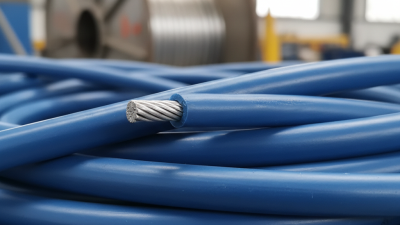
Choosing a 3 16 Polyurethane Coated Cable is not simply a matter of matching diameter and color. The cable must survive the environment where it will actually work. A factory floor may expose it to oil mist, metal edges, repeated bending, and constant vibration. Outdoor equipment adds sunlight, moisture, and sudden temperature changes.
Dr. George Wypych, a recognized polymer-materials specialist, offers a useful principle: “Polymer selection must begin with the service environment, not the catalog description.” That advice matters here. Examine the polyurethane jacket’s abrasion resistance, flexibility, chemical compatibility, and operating-temperature range. Then check the conductor size, shielding, voltage rating, and minimum bend radius. A thick jacket is not automatically better. It may reduce flexibility.
The next concern is movement. Will the 3 16 Polyurethane Coated Cable remain fixed, or will it travel through a drag chain? A cable used in continuous flexing needs a suitable stranding design, not just a tough outer coating. Request test data when possible. Ask how the cable performed after repeated bending, oil exposure, and temperature cycling. A sample test is wiser than a confident guess.
Small details matter.
I would not trust a glossy datasheet alone. Some specifications appear impressive but lack test conditions, making comparison difficult. Confirm connector fit, installation space, and actual load requirements before ordering. The best choice balances protection, flexibility, service life, and cost. It may not be the thickest cable. It may not be the cheapest one. Careful selection begins with admitting that the application can change everything.
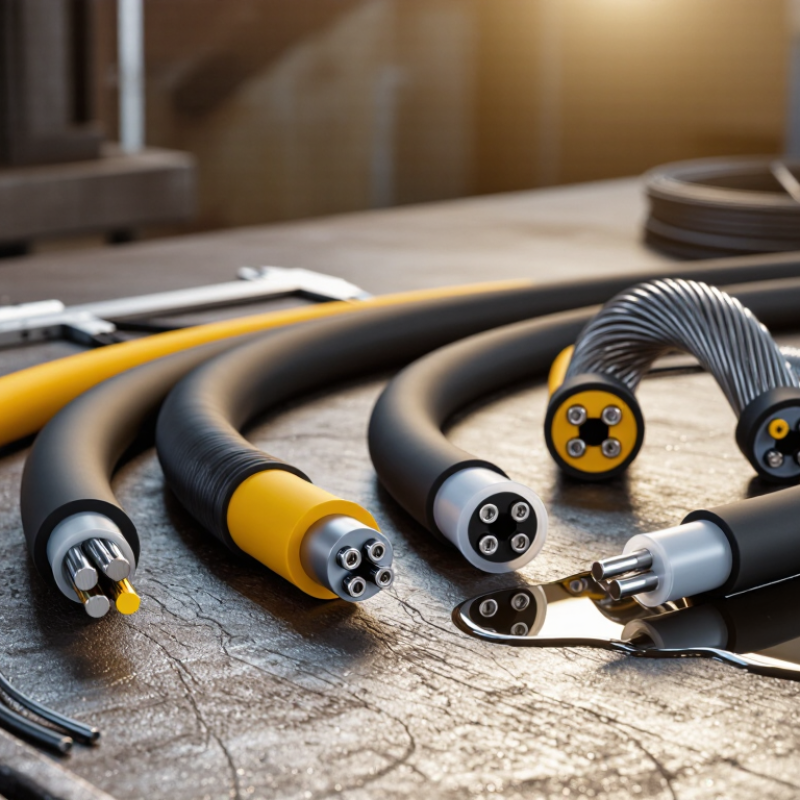
Understanding 3/16-Inch Polyurethane-Coated Cable Specifications
Choosing 3/16-inch polyurethane-coated cable requires more than checking the listed diameter. The 3/16-inch measurement usually describes the finished outside diameter, including the coating. Confirm this detail with a technical data sheet. Measure the finished cable. A slightly thicker coating can affect pulley fit, clamp clearance, and bending performance.
Examine the cable core, coating hardness, and stated breaking strength. A steel core may provide useful tensile support, while polyurethane can improve abrasion resistance and reduce surface damage. However, flexibility depends on the core construction and lay, not the coating alone. Ask for minimum bend radius, working load limits, and temperature ratings. Do not confuse breaking strength with safe working load. That mistake can create serious design problems.
Consider the operating environment before selecting the cable. Oil, moisture, outdoor exposure, repeated flexing, and sharp sheaves can change service life. Check whether the coating remains stable at the actual temperature range. Inspect end fittings as carefully as the cable itself. Poor termination can reduce the practical strength of an otherwise suitable product. I have seen specifications look convincing until the fitting dimensions were checked. That step is easy to miss. Request inspection records, dimensional tolerances, and application guidance from a qualified supplier. If the documentation is vague, pause before ordering. A small price saving may not justify uncertain performance.
Assessing Cable Strength, Flexibility, and Environmental Resistance
3 Tips for Choosing 3/16-Inch Polyurethane-Coated Cable
A 3/16-inch cable measures about 4.76 millimeters across. That size does not guarantee strength. Check the conductor material, strand count, and rated breaking load. ASTM D412 test reports separate tensile strength from elongation, so compare both values. A cable with higher elongation may handle repeated movement better. Still, excessive stretch can reduce positioning accuracy. That matters.
Flexibility depends on construction, not coating alone. Fine-stranded conductors usually bend more easily than coarse-stranded designs. Ask for a minimum bend radius, then compare it with your actual routing space. As a practical screening point, ten times the outside diameter equals about 47.6 millimeters here. This is not a universal rule. Follow the tested value in the cable report. IEC 60216-1 also shows why thermal ageing data matters during continuous flexing.
Environmental resistance needs evidence. ASTM D471 supports oil and chemical-resistance evaluation, while ASTM G154 examines accelerated ultraviolet exposure. IEC 60529 ratings help assess dust and water ingress, but they do not prove long-term abrasion resistance. Look for reported temperature limits, flex-cycle results, and jacket hardness. Polyurethane can resist wear well, yet some formulations stiffen in cold conditions. I have seen selections fail because “weatherproof” sounded sufficient. It was not. Test the cable against real oil, bending, vibration, and sunlight before approving production use.
Matching Cable Construction to Its Intended Application
3 Tips for Choosing 3/16 Polyurethane Coated Cable
Matching Cable Construction to Its Intended Application
A 3/16-inch polyurethane-coated cable is not automatically suitable for every job. Start with the load path, movement, and exposure. A cable running over a pulley needs flexible strands and a controlled bending radius. The Wire Rope Users Manual commonly references an 18:1 D/d ratio for many running-rope designs. Here, D means pulley diameter and d means cable diameter. Smaller pulleys can accelerate fatigue. That detail is easy to miss.
Choose construction by motion, not appearance. A compact strand design can provide higher strength, but it may resist repeated bending. A more flexible construction usually suits doors, guides, and light control mechanisms. ASTM A1023/A1023M distinguishes rope construction, wire properties, and testing requirements. Those details matter when comparing catalogs. A thicker coating does not repair an undersized core. It only hides early damage.
Match the polyurethane jacket to the environment. Polyurethane generally offers strong abrasion resistance and useful flexibility. Still, temperature, oils, chemicals, and ultraviolet exposure can change performance. ISO 4309:2017 stresses inspection and discard criteria for wire ropes, including broken wires, distortion, and corrosion. That guidance is valuable, even for coated cable. Inspect the jacket, too. A small cut may allow moisture inside. My first selection would not be final until the actual pulley diameter and duty cycle were measured. Application assumptions are often wrong. Live testing should confirm bend life, attachment strength, and coating wear before routine use.