2026 Best Coating Wire Options for Global Buyers
The demand for high-quality Coating Wire is rising globally. According to a recent market analysis by Research and Markets, the coating wire market is projected to reach USD 5 billion by 2026. This growth is driven by advancements in technology and increased application across various industries. Coating wire is essential in sectors such as telecommunications, automotive, and electronics.
While many manufacturers showcase their products, not all meet industry standards. Buyers must consider factors like material quality and manufacturing processes. Reports from the International Wire Association suggest that quality variations can significantly impact performance. This reflects a gap where buyers need diligent research to avoid subpar products.
In the quest for the best Coating Wire, decision-makers encounter challenges. Selecting a reliable supplier requires expertise and awareness of market trends. Some suppliers may offer attractive prices but compromise on quality. Understanding these nuances is essential for making informed choices in this evolving marketplace.
Overview of Coating Wire Types for Global Markets
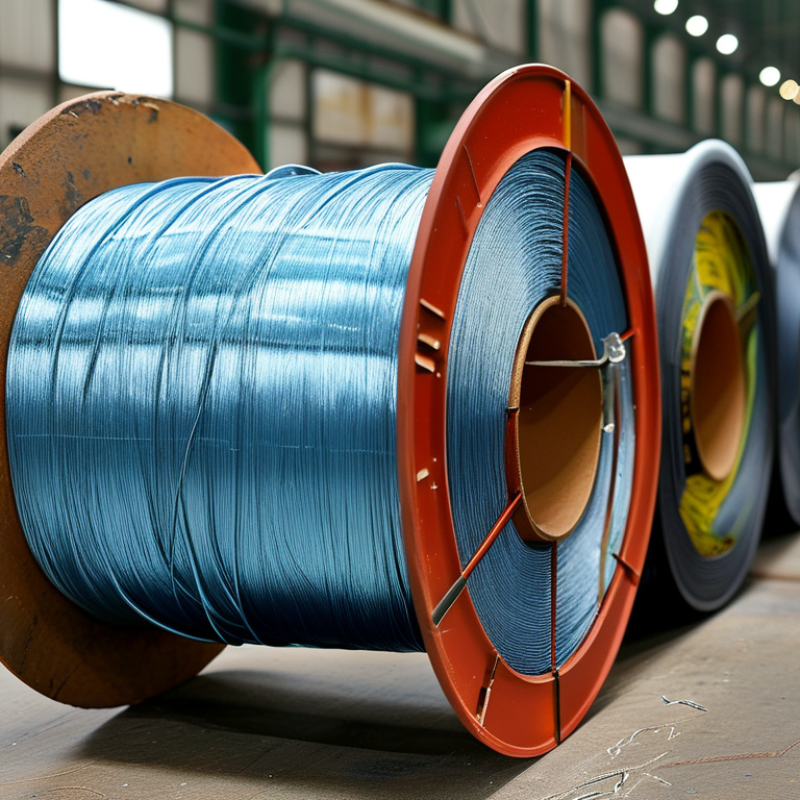
Coating wires are essential in various industries, influencing product performance and durability. Global buyers face a wide array of options, each catering to specific applications and environments. Common types include PVC, rubber, and polyurethane coatings. Each type offers distinct benefits and drawbacks.
PVC-coated wires are popular due to their excellent insulation properties. They are affordable and widely used. However, their rigidity can limit flexibility in certain applications. Rubber-coated wires provide more flexibility but can compromise heat resistance.
Polyurethane coatings are gaining traction for their lightweight and durability. They offer superior abrasion resistance but may come with a higher price tag. The challenge lies in selecting the right type to match the intended application. Evaluating the environment where the wire will be used is critical. Buyers sometimes overlook this detail, leading to suboptimal performance. As the market evolves, understanding these nuances becomes increasingly important for making informed decisions.
Key Factors Influencing Coating Wire Selection
When selecting coating wires, buyers should consider several critical factors. The intended application significantly influences the choice. Various industries have unique requirements regarding durability and flexibility. A wire meant for high-temperature environments must withstand more than just physical stress. Chemical resistance also matters. Certain coatings provide better protection against corrosive substances. This feature is essential in sectors like aerospace and marine applications.
Additionally, understanding the environment where the wire will be used is crucial. External factors such as humidity and temperature can affect the wire’s performance. Some coatings perform poorly under extreme conditions. A poorly chosen coating can lead to failures. This could result in unexpected downtime and costly repairs. Conducting thorough research on environmental conditions can help mitigate risks.
Buyers should also consider compatibility with existing systems. A wire that fits perfectly into current setups may reduce installation costs. However, trying to adapt incompatible products can lead to more problems. Sometimes, innovation in coating technology is tempting, but practicality should guide decisions. Balancing performance and feasibility is essential in the selection process.
2026 Best Coating Wire Options for Global Buyers - Key Factors Influencing Coating Wire Selection
| Coating Type |
Diameter Range (mm) |
Heat Resistance (°C) |
Corrosion Resistance |
Flexibility Rating |
Cost (USD/kg) |
| PVC |
0.5 - 2.0 |
70 |
Moderate |
5 |
2.5 |
| Polyethylene |
0.3 - 1.5 |
90 |
High |
4 |
1.8 |
| PTFE |
0.1 - 2.5 |
260 |
Excellent |
3 |
6.0 |
| Silicone |
0.5 - 2.0 |
200 |
High |
6 |
3.5 |
| Nylon |
0.5 - 1.0 |
120 |
Moderate |
5 |
2.0 |
Top Manufacturers and Suppliers of Coating Wire in 2026
In the dynamic world of manufacturing, choosing the right coating wire is crucial for global buyers in 2026. The landscape is marked by various manufacturers and suppliers, each offering unique qualities in their products. Consider factors like material, durability, and price. These aspects can significantly affect your final choice.
When selecting suppliers, prioritize those with a proven track record. Research their customer feedback and service reliability. This information can clarify which companies maintain high standards. Understand that not every manufacturer will meet your specific needs. Some may excel in cost but compromise on quality.
Tip: Always request samples before making large orders. This allows you to evaluate the wire's performance. Additionally, examine certifications to ensure compliance with international standards. Remember, trusting a supplier should come with careful consideration. Being cautious now can save you from future problems.
Price Trends and Market Analysis for Coating Wire
The market for coating wire is evolving rapidly.
Price trends show that fluctuations are influenced by raw material costs and demand cycles.
For instance, recent shortages in key materials have driven prices upward in certain regions.
This has sparked concern among buyers looking for stability.
In terms of market analysis, global demand for coating wire is on the rise.
Industries such as automotive and electronics are driving this growth.
However, there are challenges. Some manufacturers struggle with supply chain disruptions.
They must adapt their strategies to remain competitive.
Transparency in pricing is crucial for buyers navigating these complexities.
A careful assessment of market conditions is essential. Buyers should consider
long-term contracts to secure better pricing.
Understanding regional variations can also provide important insights.
This knowledge will equip businesses to make informed purchasing decisions.
Future Innovations in Coating Wire Technology
The coating wire industry is evolving rapidly, driven by
advancements in technology and materials. Innovations in coating techniques are enhancing
durability and performance.
Manufacturers are experimenting with eco-friendly materials, which can drastically reduce environmental impact. There's an increased focus on
flexibility and versatility in wire applications. These changes are
essential for meeting diverse global market demands.
Moreover, new coatings are being developed to improve
resistance to corrosion and abrasion. This focus on
longevity is critical for industrial applications. Additionally, the integration of smart technology into wire coatings is gaining traction.
These smart features can monitor wire conditions in real-time, allowing for proactive maintenance. It's clear that while progress has been made, there are still challenges ahead.
For example, the balance between performance and cost remains a topic of debate.
As the industry moves forward, collaboration among research institutions and manufacturers is essential.
Learning from failures and continuously adapting will shape the future of coating wire technology. The potential for innovation is vast, yet it requires ongoing
effort and reflection to fully realize its capabilities.