Why Choose Soft Coated Wire for Your Next Project?
In the realm of construction and crafting, choosing the right materials is crucial. One standout option is Soft Coated Wire. This material offers a unique combination of strength and flexibility, making it ideal for a variety of projects. Its soft coating prevents scratches and damage to surfaces, adding practical value.
Many users appreciate how Soft Coated Wire can withstand various conditions. It resists corrosion, ensuring longevity in outdoor applications. However, some may overlook its benefits, focusing instead on traditional wire types. This choice can lead to less durable results.
Exploring the advantages of Soft Coated Wire reveals its adaptability and ease of use. It bends easily, allowing for intricate designs and secure fittings. Although some may find its price slightly higher than standard wire, the quality it offers often justifies the investment. In an industry where reliability matters, Soft Coated Wire stands out as an exceptional choice.
Understanding Soft Coated Wire: Key Features and Benefits
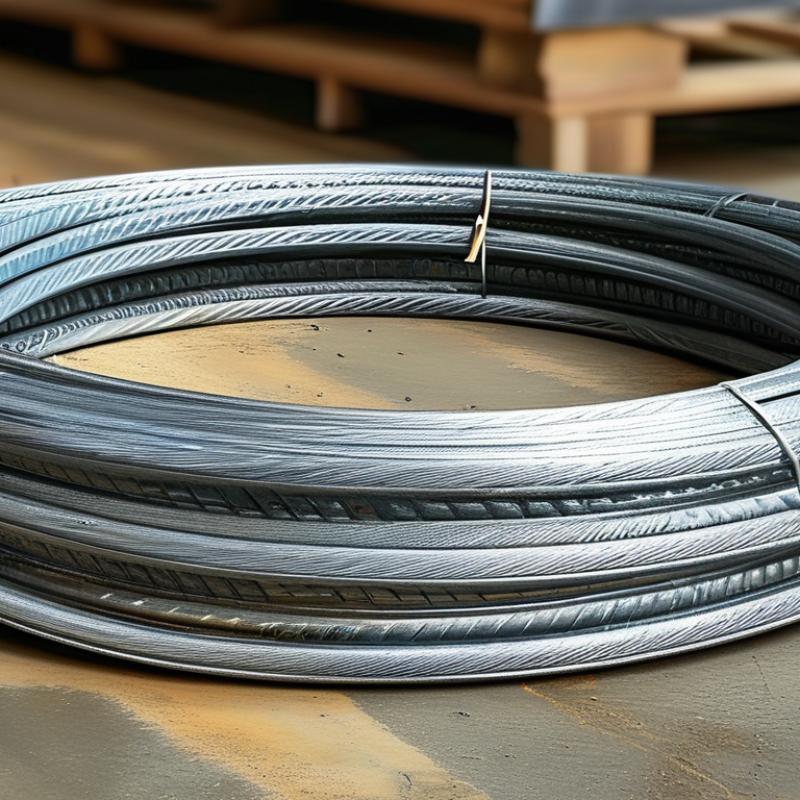
Soft coated wire is an exceptional choice for various projects. Its versatility makes it suitable for different applications. This wire is covered with a soft material, which enhances its usability and safety. The protective layer prevents scratches and damage to the surfaces it comes into contact with.
One of the notable features of soft coated wire is its flexibility. This allows for easier handling and shaping during projects. Craftsmen often find that it retains its shape without breaking easily. However, some may find it less durable for heavy-duty applications. It's essential to assess the project's specific needs before deciding. The wire's soft coating also contributes to reducing interference in electrical applications.
Moreover, the aesthetic appeal of soft coated wire cannot be overlooked. It often comes in various colors, making it a popular choice in decorative projects. Despite its benefits, some users might struggle with securing heavy loads. This is where evaluations of strength versus weight come into play. Understanding these aspects can lead to a more successful project outcome.
Why Choose Soft Coated Wire for Your Next Project?
| Feature |
Description |
Benefits |
| Flexibility |
Soft coated wire is highly flexible and can be easily shaped. |
Ideal for projects where intricate designs and bending are required. |
| Corrosion Resistance |
Coated with materials that resist rust and environmental damage. |
Increases longevity in outdoor applications and harsh conditions. |
| Lightweight |
Soft coated wire is lighter than many traditional wires. |
Easier to transport and manipulate during assembly. |
| Safety |
The soft coating reduces sharp edges and potential injuries. |
Safer for both users and installations involving public access. |
| Versatility |
Can be used in a wide range of applications, from crafts to industrial uses. |
Suitable for both DIY projects and professional applications. |
Common Applications of Soft Coated Wire in Various Industries
Soft coated wire serves many purposes across various industries. Its unique properties make it suitable for applications that require flexibility and durability. For example, in the construction sector, this wire is often used for reinforcing concrete. The soft coating helps prevent rust and corrosion, extending the life of the structure. Additionally, it is utilized in agricultural equipment, helping to create durable fencing solutions.
In the automotive industry, soft coated wire is commonly used in the manufacturing of wire harnesses. These harnesses connect various electrical components, ensuring efficient operation. The insulation provided by the soft coating protects against environmental factors and enhances safety. In the manufacturing of consumer goods, it is also used for various products, including hangers and storage solutions.
Tips: When selecting soft coated wire, consider its gauge and tensile strength. Make sure it is suitable for your specific application. Always check for certifications that guarantee its reliability. Regular inspections can help identify potential wear and tear, allowing for timely replacements. Lastly, consult industry experts if unsure of the best practices for wire use in your projects.
Why Choose Soft Coated Wire for Your Next Project?
Comparison: Soft Coated Wire vs Traditional Wire Materials
When comparing soft coated wire to traditional wire materials, several factors come into play. Soft coated wire is more flexible and easier to handle. This can significantly speed up installation processes. The malleability offers better adaptation in complex projects where precision is critical. It's crucial to consider how rigidity affects the end result.
Traditional wire materials can often be stiff and difficult to manipulate. This may lead to more manpower and time spent on installation. On the other hand, soft coated wire reduces chances of errors during setup. Errors cause delays and additional costs. It's essential to weigh the pros and cons carefully.
Additionally, soft coated wire tends to have a better resistance to corrosion. This durability extends the lifespan of the project. Some users, however, may question its strength compared to traditional options. While some manufacturers ensure high tensile strength in soft coated varieties, it’s still a consideration. Users must assess the specific demands of their projects and conduct proper testing.
How to Choose the Right Soft Coated Wire for Your Project
When choosing soft coated wire for your project, several factors come into play. The type of coating affects durability and corrosion resistance. According to a recent industry report by the Wire and Cable Manufacturers Alliance, coated wires can last up to 30% longer than uncoated options in harsh environments. This longevity is crucial for outdoor applications or industries where reliability is key.
The gauge of the wire is another essential consideration. Thicker wires tend to bear higher loads, while thinner wires provide flexibility. A study from the National Electrical Manufacturers Association indicates that choosing the correct gauge can prevent strain and potential failures. Always match the wire gauge to your project's specific demands.
Color coding is also critical. Certain coatings can help identify specific uses or compliance with safety standards. This detail can enhance the efficiency of installation and maintenance tasks. Research shows that projects using color coded wires reduce errors by nearly 25%. While these guidelines exist, it’s important to assess your unique situation to make the best decision. Every project has different needs. Adjust your choices accordingly, keeping your environment and load requirements in mind.
Installation and Maintenance Tips for Soft Coated Wire Products
When it comes to using soft coated wire for projects, proper installation and maintenance are crucial. Ensure that the wire is cut to the correct length before installation. This prevents excess wire from tangling or creating a cluttered appearance. A clean workspace will make the process smoother and reduce the risk of errors. Always use appropriate tools to handle soft coated wire to ensure safety and efficiency.
For maintenance, regular inspections are essential. Check for wear and tear at least once a month. A visual inspection can help identify any fraying or corrosion. If you notice any damage, replace the affected sections immediately. It’s wise to keep a spare roll of wire on hand for quick fixes. Also, keep in mind that environmental factors like humidity can affect the longevity of the wire. Adjust your maintenance frequency based on these conditions.
Lastly, always remember that installation may not be perfect on the first try. It’s okay to reassess and make adjustments. Learning from mistakes is a part of the process. Take your time to ensure that every detail is addressed. This attention to detail will pay off in the long run.