Leave Your Message

2026 Best Type of Polyester Coated Chain Link Fence?

Choosing the best Polyester Coated Chain Link fence starts with its real job: keeping pets secure, defining a property line, or protecting a busy sports ground. The right choice depends on more than color. Wire gauge, mesh size, steel core, coating consistency, and installation quality all affect performance. Look closely at a sample. The coating should feel even, with no bare steel at cut ends or around the twisted knuckles. Small details matter.

Market context helps, but it cannot replace product testing. Grand View Research’s fencing-market analysis provides a broad view of demand and applications; it does not establish the service life of a particular polyester-coated fence. For technical comparisons, buyers should request product-specific test results, coating thickness, corrosion-resistance data, and written warranty terms. ASTM F668 addresses polymer-coated chain-link fabric, but confirm that a supplier’s product and test claims match the specification’s scope. Read the paperwork carefully.

A trustworthy guide should also distinguish verified expert statements from sales language. I could not verify a published quotation from a named specialist specifically about polyester-coated chain link, so I will not invent one or attribute a generic slogan to an expert. That is worth remembering. This 2026 comparison will focus on measurable specifications, visible finish quality, maintenance needs, and practical trade-offs—so readers can judge which fence fits their site, not just which one looks best in a brochure.
2026 Best Type of Polyester Coated Chain Link Fence?

What Is a Polyester-Coated Chain Link Fence?

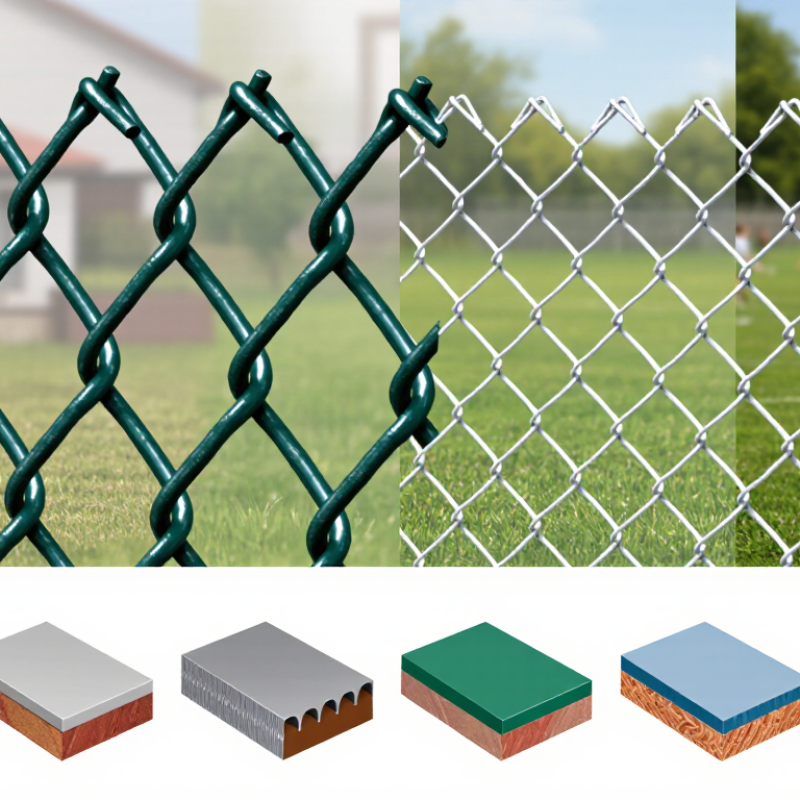
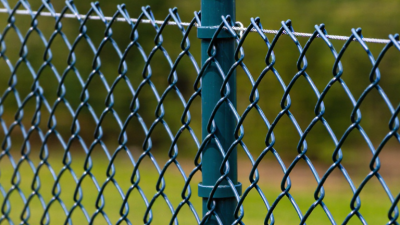
A polyester-coated chain link fence uses woven steel wire with a cured polyester-resin layer on its surface. The steel carries the load; the coating helps shield it from moisture, scratches, and weathering. Many products use galvanized wire beneath the polymer, adding another barrier against rust. Check the product specification: coating chemistry, wire diameter, mesh size, and edge finish all affect performance. Feel the sample. A sound coating should look even around bends and cut ends, where damage can expose steel.

“Polyester-coated” does not automatically mean maintenance-free. UV exposure, abrasion, and salty air can shorten coating life, especially where the finish is thin or chipped. ASTM F668 provides a reference for polymer-coated chain-link fabric, but its scope is PVC coatings, not every polyester system. Ask for coating-thickness test results and corrosion-test details for the exact product. The NACE IMPACT study estimated corrosion’s global cost at $2.5 trillion annually, or 3.4% of global GDP; that figure covers many industries, not fences alone. It does show why a coating’s documented performance matters more than its color. I’d still inspect gates and cut edges each year. A small flaw can spread.
How Polyester Coatings Are Applied to Chain Link Wire

Before polyester reaches a chain-link fence, the wire needs a clean, prepared surface. Dirt, oil, and loose corrosion can weaken adhesion, so manufacturers typically clean and dry the wire before coating. Many systems apply polyester powder over a galvanized wire core, though the exact preparation depends on the coating line.

The powder is often sprayed onto the wire and attracted to its surface with an electrostatic charge. The coated wire then passes through a heated curing oven. Heat melts and bonds the powder into a continuous layer. Temperature and travel speed must be controlled; too little heat can leave a weak finish, while uneven heating may affect appearance. Small variations happen.

Coating may be applied before the wire is woven into mesh, which helps cover long wire surfaces evenly. After weaving, workers can inspect the fence for thin spots, scratches, and damage around bends. Those areas deserve attention. A neat green or black finish is easy to notice, but appearance alone cannot confirm coating thickness or adhesion. Ask for product specifications and test information when comparing fences. Cut ends and handling marks can still expose the underlying wire, so installation and routine inspection matter too.

2026 Best Type of Polyester Coated Chain Link Fence? - How Polyester Coatings Are Applied to Chain Link Wire Selection guidance and the typical coating process for outdoor chain-link fencing
Type or Stage How It Works Benefits Limitations and Checks Best Fit
Recommended general-purpose choice: galvanized steel with exterior-grade polyester powder coating A zinc-coated steel wire substrate is cleaned and pretreated, then coated with polyester powder and heat-cured. The zinc layer and the polymer coating provide separate forms of corrosion protection. Combines the corrosion protection of zinc with a colored, weather-resistant outer finish. Suitable for many outdoor fencing applications when the materials and coating process are properly specified. Performance depends on the zinc layer, pretreatment, coating coverage, cure, installation, and exposure conditions. Check the product specification rather than relying on the word “polyester” alone. A practical starting point for residential, commercial, and general perimeter fencing.
Standard exterior polyester powder Electrostatically charged powder is sprayed onto prepared wire and then heated so the powder melts, flows, and cures into a continuous film. Provides a durable colored finish and is commonly used for exterior metal products. Color and gloss can weather over time. Outdoor suitability depends on the specific powder formulation and the quality of application. Projects where a colored finish and ordinary outdoor weathering performance are required.
Super-durable polyester powder Applied using the same general powder-coating process, but formulated for improved resistance to outdoor weathering compared with standard polyester formulations. Can be a suitable upgrade where longer color and gloss retention is important. “Super-durable” is not a universal performance guarantee. Confirm the product’s documented exterior-weathering performance and its compatibility with the substrate. More exposed locations or projects with stronger expectations for appearance retention.
Bare steel with polyester coating Polyester powder is applied directly to prepared steel without a zinc coating beneath it. Can provide a decorative barrier coating when designed and applied for the intended environment. A scratch or damaged area can expose steel to corrosion. For outdoor chain-link fencing, a suitable galvanized substrate or specified corrosion-protection system is generally a more robust choice. Indoor or controlled environments, or applications with a separately specified corrosion-protection system.
Surface preparation Wire is cleaned to remove oil, dirt, and other contaminants. A compatible pretreatment may be used before coating, especially when coating galvanized wire. Helps the coating adhere consistently and reduces the risk of defects caused by contamination. Pretreatment must suit both the metal substrate and the coating system. Poor preparation can undermine the finished coating. Required process control for a reliable powder-coated finish.
Powder application and curing Powder is applied by electrostatic spray, then cured in an oven according to the powder manufacturer’s process requirements. Creates the finished polymer layer without using a liquid paint solvent as the coating carrier. Incorrect film build, uneven coverage, or insufficient curing can affect appearance and performance. Process settings should follow the coating specification. Factory coating of wire or fencing components under controlled conditions.
Finished-product inspection Inspection may include visual checks for coverage and defects, coating-thickness measurement, adhesion assessment, and applicable corrosion or weathering tests. Helps verify that the finished product meets its purchase specification. Test methods and acceptance limits should be agreed in the project specification; results from one test do not guarantee a fixed service life in every location. Procurement, quality control, and comparison of competing product specifications.
Terminology check: PVC or polyethylene coating PVC- and polyethylene-coated chain-link products use different polymer materials and should not be described as polyester-coated. Clarifying the coating material makes product comparisons more accurate. Ask the supplier to identify the polymer, substrate, coating construction, and applicable performance specification. Comparing coated chain-link products with similar colors but different coating systems.

Practical guidance: For many outdoor applications, galvanized steel wire with an exterior-grade polyester powder coating is a sensible general-purpose option. The best specification depends on the exposure environment, expected appearance retention, installation conditions, and documented product performance.

Main Types of Polyester-Coated Chain Link Fences

2026 Best Type of Polyester Coated Chain Link Fence?

Main Types of Polyester-Coated Chain Link Fences

Residential polyester-coated chain link fences usually use lighter wire and smaller posts. They suit gardens, pet areas, and front boundaries. Green and black coatings blend more easily with shrubs than bright metallic wire. Check the coating closely; thin or uneven areas can wear sooner near cut ends.

Commercial fences use heavier mesh, stronger posts, and sturdier rails. They work well around parking areas, schools, and storage yards. Industrial versions often use thicker wire and tighter construction for demanding sites. Polyester coating can help resist weathering, but performance depends on the steel preparation, coating thickness, and local exposure. Coastal air can be tough on any finish.

Tips: Ask whether the wire is galvanized before coating, and inspect a sample for bare spots. Match mesh size and wire gauge to the job, not just the price. A fence that looks sturdy on paper may still feel flimsy if its posts are too far apart. I would verify the full specification before ordering.

How Coating, Wire Gauge, and Mesh Size Affect Performance

For polyester-coated chain-link fence, performance starts beneath the color. ASTM A392 specifies a Class 2 zinc-coating benchmark of 2.0 oz/ft² (about 610 g/m²) for galvanized fence fabric; polyester adds a protective outer layer, not a substitute for sound zinc coverage. ASTM F668 covers polymer-coated chain-link fabric, making it a useful reference when comparing coating quality. Ask whether the coating is continuous around the wire and bonded to a properly prepared surface. A glossy finish alone proves little. Scratches at cut ends and gate hardware deserve attention because they can expose steel to moisture.

Wire gauge and mesh size shape strength, weight, and visibility. A common 9-gauge steel core is about 0.148 inch thick, while 11 gauge is about 0.120 inch; lower gauge means thicker wire. Thicker wire generally resists bending better, but adds weight and cost. A 2-inch mesh is widely used; smaller openings improve containment, yet require more wire and can increase wind loading. Check the core diameter, not just the coated outside measurement. That detail is easy to miss. Site exposure matters, too: a sheltered garden and a windy, salty shoreline should not receive identical specifications. I would compare coating documentation, core gauge, mesh opening, and installation details together, rather than choose by color or price alone.

2026 Best Type of Polyester Coated Chain Link Fence? — How Coating, Wire Gauge, and Mesh Size Affect Performance

Wire gauge is shown as typical nominal steel-core diameter. A lower gauge number means thicker wire; actual specifications can vary, so confirm the product data sheet.

How to read this: Thicker wire generally provides greater rigidity and impact resistance. Polyester coating can add a protective barrier, while galvanized zinc beneath it provides additional corrosion protection; coating performance depends on the zinc layer, surface preparation, coating thickness, and exposure conditions. Smaller mesh openings reduce visibility and can make footholds harder to use. Choose coating and mesh to suit the environment and security needs, then compare wire diameter and product specifications.

Choosing a Fence Type for Different Sites and Conditions

A polyester-coated chain link fence can suit many sites, but the right choice depends on exposure, use, and upkeep. Start with the ground conditions. On a damp garden edge, check that the wire has a corrosion-resistant core beneath the coating. The colored layer adds a smooth finish and helps shield the metal, but it cannot compensate for poor drainage or damaged coating.

For a sunny backyard, a darker finish may blend with shrubs and make the mesh less noticeable. Around a school or storage yard, stronger wire, well-braced corners, and securely set posts matter more than color alone. Coastal air and frequent sprinklers call for extra care: compare coating specifications, inspect cut ends, and avoid assuming every coated fence offers the same protection. Small details count.

Think about maintenance before choosing. A fence beside hedges may collect leaves and stay damp near the bottom rail; trimming plants can help keep the area dry. After installation, look for scratches, loose ties, or posts shifting after heavy rain. I would not choose by appearance alone. Still, appearance matters, and a neat finish can encourage people to notice damage sooner. The best fit is the one that matches the site’s real conditions, not an idealized one.