What are the Benefits of Insulating Paint Coating Wire?
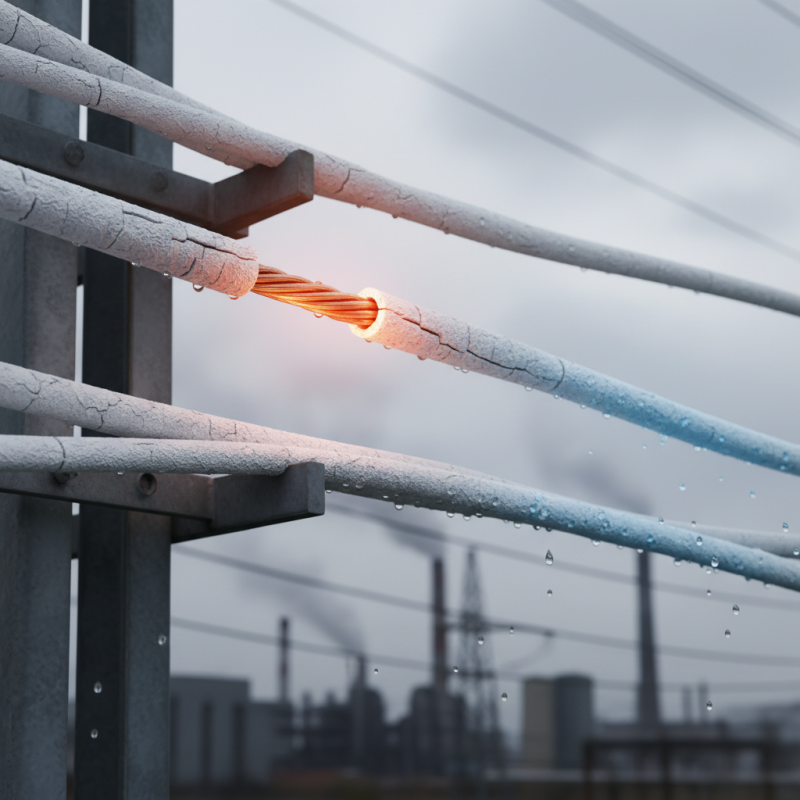
Insulating Paint Coating Wire is a revolutionary approach in electrical applications. This innovative solution serves multiple purposes. It enhances safety by preventing electrical hazards. Additionally, the coating improves thermal efficiency in various environments.
Using insulating paint can be cost-effective. It reduces energy loss in wires, contributing to lower utility bills. Many industries are adopting this technology, recognizing its benefits. The durability of the coating offers long-lasting protection from environmental factors. This is crucial for both indoor and outdoor wiring.
However, there are limitations. Not every situation requires insulating paint. Users must assess their specific needs. The effectiveness can vary based on application. Understanding these nuances is important for making informed decisions. Adopting Insulating Paint Coating Wire may seem beneficial at first, but careful consideration is essential.
Benefits of Insulating Paint Coating for Wire
Insulating paint coatings for wire offer numerous advantages that enhance electrical systems. These coatings serve as a protective barrier against environmental factors. They are resistant to moisture, dust, and corrosive substances. This makes wires safer and more durable in various conditions.
Another benefit is improved safety. Insulating paints decrease the risk of short circuits and electrical shocks. They can also provide thermal insulation, preventing overheating. This is crucial in high-load electrical environments. The application of insulating paint does require precision and care. If not applied correctly, effectiveness may be compromised.
The aesthetic appeal is another aspect that cannot be overlooked. Insulating coatings can come in various colors, allowing for better visibility and organization. However, it's important to choose high-quality materials to ensure long-lasting results. The effectiveness of these coatings can depend heavily on the application technique.
Enhanced Electrical Safety with Insulating Paint Coating
Insulating paint coatings for wires provide significant benefits, especially regarding electrical safety. According to studies, around 30% of electrical accidents in industrial settings arise from improper insulation. Insulating paint acts as an additional safety layer, reducing the risk of electric shocks and short circuits. This safety feature is critical in high-voltage environments, where the stakes are high.
The effectiveness of insulating paint is supported by data from the National Electrical Manufacturers Association (NEMA). They report that proper insulation can decrease electrical hazards by up to 50%. Moreover, insulating coatings resist humidity, heat, and chemicals, enhancing their durability. This resilience means they protect wires longer, ultimately saving companies from costly repairs and ensuring safe operations.
Despite advancements, some challenges remain. For instance, improper application can lead to gaps in insulation, reducing efficacy. Technicians must ensure surfaces are clean before painting to prevent such issues. Regular inspections are also essential to maintain safety standards. Continuous education about insulation techniques can further improve outcomes in electrical safety.
What are the Benefits of Insulating Paint Coating Wire?
| Benefit |
Description |
Impact |
| Enhanced Safety |
Insulating paint reduces the risk of electric shock and short circuits by providing a protective layer. |
Minimizes accidents and injuries related to electrical hazards. |
| Corrosion Resistance |
Protects wires from moisture and environmental damage, prolonging their lifespan. |
Reduces maintenance costs and the need for frequent replacements. |
| Thermal Insulation |
Helps to maintain optimal temperatures for wire performance, preventing overheating. |
Improves efficiency and reliability of electrical systems. |
| Cost-Effectiveness |
Initial investment in insulating paint can save costs over time by reducing repairs and replacements. |
Long-term financial savings for businesses and individuals. |
| Aesthetic Appeal |
Available in various colors and finishes, enhancing the appearance of electrical installations. |
Improves overall visual appeal and integration into design. |
Improved Durability and Corrosion Resistance of Insulated Wires
Insulating paint coating for wires is essential for improving durability and corrosion resistance. A recent report from an industry expert indicated that coated wires last 30% longer than uncoated ones. This extended lifespan is crucial for industries that rely on reliable electrical systems, reducing replacement costs over time.
Corrosion is a significant issue for exposed wires, particularly in harsh environments. The insulating properties of paint add a protective layer that prevents moisture and chemicals from causing damage. According to a study by the Institute of Corrosion, properly insulated wires showed a 50% improvement in resistance to corrosive agents. This data emphasizes the value of using insulating materials in prolonging equipment life.
However, applying insulating paint is not without challenges. If the paint layer is too thick, it may interfere with wire conductivity. Thickness needs careful monitoring during application. Additionally, improper curing can lead to adhesion failure, negating any protective benefits. These factors highlight the importance of following stringent application guidelines for optimal results.
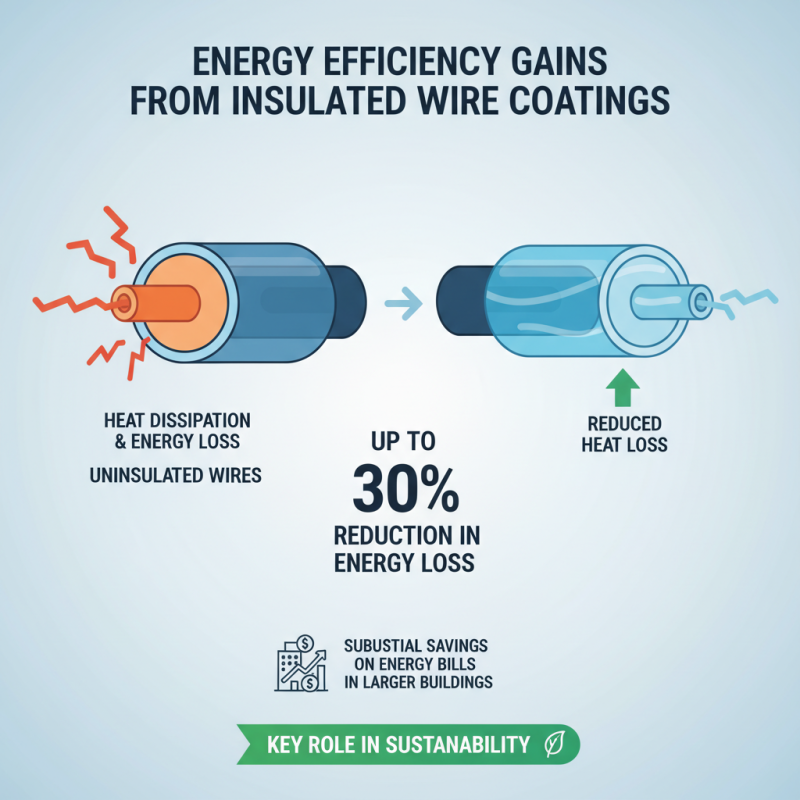
Energy Efficiency Gains from Insulated Wire Coatings
Insulated wire coatings play a crucial role in enhancing energy efficiency. According to industry reports, a significant percentage of energy loss occurs due to heat dissipation in uninsulated wires. Insulated coatings can reduce this loss by up to 30%. This is particularly impactful in larger buildings, where the cumulative effect can lead to substantial savings on energy bills.
Beyond the initial energy savings, insulated wire coatings also contribute to the longevity of electrical systems. By preventing oxidation and corrosion, these coatings extend the lifespan of the wiring. A study from the Electrical Engineering Society indicates that insulated wiring systems can last 25% longer than their uncoated counterparts. This reduction in replacement frequency ultimately results in lower maintenance costs.
Still, challenges exist. The installation of insulated wire coatings can be more expensive upfront. Some professionals question whether the long-term savings will justify this initial investment for all users. There can also be issues related to compatibility with existing systems. Overall, while the advantages are clear, careful consideration is necessary for a successful integration of insulated wire coatings.
Cost-Effectiveness of Insulating Paint Coating in Electrical Applications
Insulating paint coating offers a practical solution for various electrical applications. Its cost-effectiveness stems from significant savings in materials and labor. By applying this type of coating, businesses can reduce the need for additional insulation layers. This translates into lower material costs and faster installation times. Moreover, insulating paint minimizes energy loss, leading to reduced utility bills over time.
Another advantage of this coating is its durability. It protects wires from environmental factors, such as moisture and UV exposure. Consequently, this extends the lifespan of electrical systems, avoiding frequent repairs or replacements. However, not all insulating paints perform equally. Testing different products is essential to determine the best fit for specific applications. Reliable information from experts can guide this selection process.
Despite its benefits, there are considerations. Some users report challenges during application, particularly in uneven surfaces. Additionally, budget constraints may limit access to high-quality coatings. Businesses must weigh these factors against potential energy savings. Researching best practices can improve application methods, leading to better outcomes.
Benefits of Insulating Paint Coating Wire