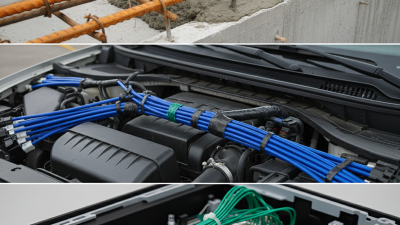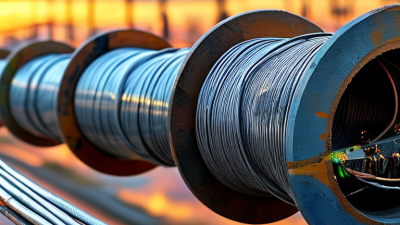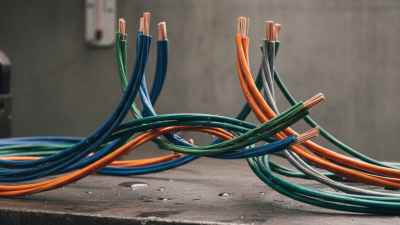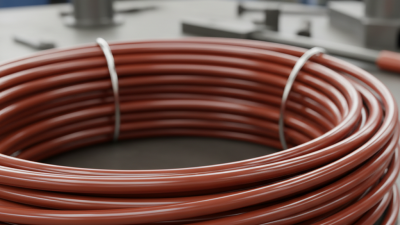
Choosing reliable Coating Wire manufacturers can shape product performance, delivery stability, and long-term purchasing costs. Global buyers need more than attractive catalogs or polished factory photographs. They need evidence.
This 2026 guide examines manufacturers through practical procurement criteria, including coating consistency, conductor materials, insulation adhesion, dimensional control, and production capacity. It also considers testing records, quality systems, export experience, communication speed, and after-sales support. A dependable supplier should explain its process clearly, from incoming copper inspection to final electrical testing. Small details matter. A clean winding surface matters. Stable color matters. Accurate outer diameter matters.
The featured manufacturers are assessed for technical capability and buyer confidence, not popularity alone. Available certifications, sample quality, lead-time transparency, and response to technical questions all influence the evaluation. However, no public ranking can replace an independent factory audit or production sample test. Supplier information can change. That limitation deserves attention.
Buyers should compare technical specifications carefully. A wire suitable for motors may not suit transformers, automotive components, or high-temperature equipment. Temperature ratings, voltage requirements, coating type, flexibility, and spool design must match the application. Regional standards may also differ.
This guide offers a practical starting point for supplier selection. It does not promise a perfect answer. Careful verification remains essential. Reliable sourcing begins with evidence, not assumptions.
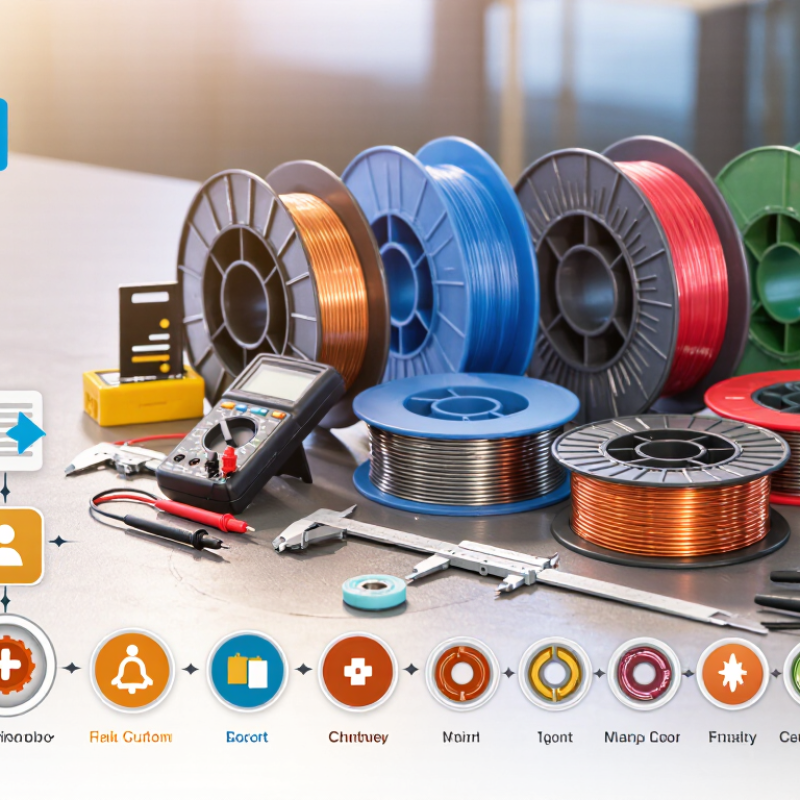
Coating wire is metal wire protected by zinc, PVC, nylon, epoxy, or another covering. The layer limits corrosion, improves handling, and can add electrical insulation. Galvanized wire is common in fencing, construction mesh, agriculture, and outdoor supports. PVC-coated wire adds a softer surface and extra resistance to moisture. It is useful around gardens, warehouses, and equipment where bare steel could scratch nearby materials.
The U.S. Geological Survey reported that corrosion-resistant coatings represented roughly 60% of U.S. zinc consumption in 2023. This figure explains why galvanizing remains important for steel wire. The International Energy Agency also recorded more than 400 GW of new solar photovoltaic capacity in 2023. That rapid expansion increases demand for protected conductors, cable supports, and mounting components.
The application is not limited to energy systems. Coated wire also appears in automotive components, marine structures, agricultural trellises, and security fencing.
Selection requires more than checking coating color.
Buyers should verify wire diameter, coating mass, adhesion, tensile strength, and expected exposure. ASTM A641/A641M covers zinc-coated carbon steel wire, while ISO 9227 describes laboratory salt-spray testing. Salt spray helps compare samples. It does not perfectly predict field life.
A thicker coating is not automatically better. Poor drainage, sharp bends, and exposed cut ends can still trigger rust. In practical inspections, I look closely at bends and connection points first. No coating is permanent, and supplier data should be checked against the actual climate and installation method.
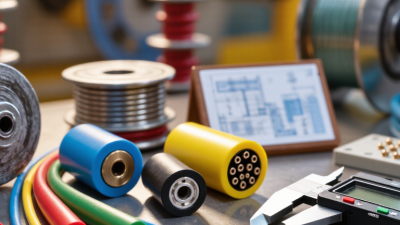
Coated wire selection starts with the working environment, not the catalog photograph. Enamelled wire suits motor windings, transformers, and compact coils. Its thin insulation preserves space for more copper. However, sharp forming can damage the coating. A careful supplier should provide breakdown voltage, thermal class, and flexibility data.
PVC- and polyethylene-coated wire fits control panels, sensors, and general low-voltage assemblies. These coatings are economical and easy to process. PVC handles routine moisture exposure, while polyethylene offers useful chemical and abrasion resistance. For higher temperatures, PTFE or FEP coatings perform better around heat, solvents, and demanding laboratory equipment. They also cost more. That trade-off is easy to underestimate.
Nylon-coated wire adds surface toughness for repeated handling and sliding contact. Galvanized wire uses a metallic zinc layer for outdoor support and corrosion resistance, especially in fencing, grounding, and mechanical applications. It is not automatically suitable for every electrical circuit. Coating thickness, adhesion, conductor material, and operating temperature must match the real application. In factory inspections, I would check a cut sample, bend it repeatedly, and inspect cracks under magnification. A polished test report helps, but physical evidence matters more. No coating is perfect. Small defects can appear after crimping, pulling, or storage in humid air. Buyers should also confirm dimensions, color consistency, batch traceability, and relevant safety testing before approving production. A rushed specification can create expensive failures later.
A practical comparison of coating systems, substrate materials, performance characteristics, and application requirements
| Coated Wire Type | Typical Substrate | Coating Material | Common Diameter Range | Key Performance Features | Typical Applications | Relevant Selection Considerations |
|---|---|---|---|---|---|---|
| PVC-Coated Steel Wire | Low-carbon steel or galvanized steel | Polyvinyl chloride (PVC) | Approximately 1.0–6.0 mm overall diameter, depending on core and coating thickness | Corrosion protection Electrical insulation Color coding Flexible surface | Fencing, garden structures, animal enclosures, mesh panels, handrails, and general outdoor fabrication | Specify UV resistance, operating temperature, coating adhesion, color, core strength, and whether the steel core is galvanized before coating |
| PE-Coated Steel Wire | Carbon steel or galvanized steel | Polyethylene (PE), including high-density polyethylene grades | Commonly about 2.0–8.0 mm overall diameter | Good moisture resistance Abrasion resistance Low water absorption Outdoor suitability | Fencing, agricultural supports, marine-adjacent installations, protective barriers, and wire mesh | Check the PE grade, outdoor weathering performance, coating uniformity, minimum bend radius, and compatibility with the installation environment |
| Nylon-Coated Steel Wire | Spring steel, carbon steel, or stainless steel | Polyamide, commonly nylon 6 or nylon 6/6 | Often about 0.5–5.0 mm overall diameter | High abrasion resistance Low friction Good toughness Electrical insulation | Control cables, mechanical linkages, medical and laboratory equipment, sporting goods, and precision assemblies | Evaluate moisture absorption, temperature range, flex-fatigue life, coating adhesion, friction coefficient, and dimensional tolerance |
| PVDF-Coated Wire | Stainless steel or corrosion-resistant steel | Polyvinylidene fluoride (PVDF) | Typically about 0.3–3.0 mm overall diameter | Excellent chemical resistance UV resistance Low permeability High weatherability | Chemical-processing equipment, architectural cable systems, filtration components, laboratory equipment, and demanding outdoor environments | Confirm chemical compatibility, coating thickness, temperature exposure, surface finish, and the required stainless-steel grade |
| PTFE-Coated Wire | Stainless steel, nickel alloy, or other corrosion-resistant metal wire | Polytetrafluoroethylene (PTFE) | Commonly about 0.5–5.0 mm overall diameter | Very low friction Non-stick surface Chemical inertness Wide service temperature | Medical devices, chemical handling, food-processing equipment, high-temperature assemblies, and sliding or guiding mechanisms | Check continuous-use temperature, coating integrity, flexing requirements, dielectric performance, and compliance with application-specific regulations |
| Epoxy-Coated Steel Wire | Carbon steel, galvanized steel, or prestressing steel | Thermoset epoxy resin | Frequently about 3.0–16.0 mm, depending on structural use | Strong adhesion Barrier protection Chemical resistance Structural durability | Reinforced concrete, bridge components, infrastructure projects, industrial reinforcement, and corrosion-sensitive construction | Require coating continuity, impact resistance, bend performance, pinhole control, bond compatibility, and project-specific construction standards |
| Galvanized Steel Wire | Low-carbon steel or high-tensile steel | Zinc applied by hot-dip or electro-galvanizing | Commonly about 0.5–12.0 mm wire diameter | Sacrificial corrosion protection Good outdoor durability Cost efficiency Conductive surface | Fencing, binding wire, cable armor, agriculture, utility applications, construction, and wire rope components | Compare zinc coating mass, tensile strength, wire diameter tolerance, coating adhesion, surface condition, and exposure category |
| Aluminum-Coated Steel Wire | Carbon steel or high-tensile steel | Aluminum or aluminum-based alloy coating | Often about 1.0–6.0 mm wire diameter | High-temperature resistance Atmospheric corrosion resistance Reflective surface Oxidation resistance | Automotive exhaust components, heat-resistant mesh, industrial screening, fencing, and high-temperature wire products | Consider service temperature, coating mass, forming requirements, galvanic compatibility, weldability, and exposure to chlorides or acids |
| Stainless Steel Wire with Polymer Coating | Austenitic or ferritic stainless steel | PVC, nylon, fluoropolymer, or other engineered polymer | Approximately 0.3–5.0 mm overall diameter | Enhanced corrosion resistance Surface protection Low marking risk Aesthetic finish | Architectural cable systems, marine fittings, food and beverage equipment, medical components, and decorative products | Select the stainless-steel grade, coating chemistry, hygiene requirements, color stability, cleanability, and resistance to saltwater or cleaning agents |
| Copper- or Tin-Coated Conductive Wire | Copper, copper alloy, or steel core with a conductive metallic layer | Tin, nickel, silver, or another specified conductive coating | From fine wire below 0.1 mm to several millimeters, depending on the electrical design | Electrical conductivity Solderability Contact reliability Oxidation control | Electrical harnesses, terminals, connectors, grounding components, coils, and electronic assemblies | Verify conductor size, coating thickness, resistance, solderability, flex life, insulation system, and the required electrical or automotive specification |
Buyer note: Actual dimensions, coating thickness, tensile strength, temperature rating, and compliance documentation vary by construction and applicable standard. Request a technical datasheet, inspection report, and representative sample before placing a production order.
Evaluating coating wire manufacturers in 2026 requires more than comparing catalog prices. Ask how insulation is selected for temperature, voltage, flexibility, and chemical exposure. A reliable supplier should provide technical data, batch records, and test methods. Request recent sample coils, not only polished brochures. Inspect enamel uniformity, surface defects, conductor dimensions, and winding behavior. Small flaws can become costly failures during automated production.
Experience should be visible in daily processes. Review calibration records, incoming-material controls, and corrective-action reports. Ask who approves process changes and how customers receive updates. Independent certifications can support credibility, yet certificates alone prove little. Compare their scope, expiry dates, and covered facilities. Check whether engineers can explain thermal classes and testing limits clearly. Vague answers deserve another review. No evaluation is perfect.
Tips: Send identical specifications to several manufacturers and compare their responses. Record sample results, delivery consistency, packaging quality, and communication speed. Ask for a small trial order before making a large commitment. During an audit, look for clean storage areas, labeled reels, and controlled humidity. Also review their complaint process and replacement policy. A factory visit may reveal practical strengths that documents miss. Still, personal impressions can mislead, so keep written evidence for every decision.
How to Evaluate Coating Wire Manufacturers in 2026
The evaluation model uses a 100-point procurement framework covering coating quality, electrical performance, compliance, production capability, delivery reliability, customization, sustainability, and total cost. Buyers should verify certificates, test reports, sample results, and supply performance before making a final supplier decision.
Leading Global Coating Wire Manufacturers and Their Strengths
Global coating wire manufacturers are adapting to faster electrification, tighter energy targets, and smaller motor designs. The International Energy Agency reported more than 17 million electric car sales in 2024. That growth increases demand for reliable enamelled copper and aluminium wire in motors, transformers, and charging equipment.
Manufacturers with strong quality systems usually offer several insulation classes, thermal ratings, and conductor sizes. Their advantages include stable coating thickness, precise diameter control, and improved resistance to partial discharge. These details matter when a winding operates above 180°C or faces repeated vibration. IEC 60317 specifications remain a useful reference for comparing insulation performance. However, compliance on paper does not always guarantee consistent factory results.
Industry buyers should examine production evidence, not only product brochures. A 2024 MarketsandMarkets analysis identified transportation, energy, and industrial applications as major growth areas for magnet wire. Leading suppliers often provide batch traceability, electrical testing, sample approval, and technical support during winding trials. Ask for elongation, breakdown-voltage, solderability, and thermal-aging data. Small differences can cause large production losses.
No supplier is perfect. A manufacturer may offer excellent coating quality but limited regional stock or slow engineering responses. I would also question unusually low prices, especially when copper costs fluctuate. A practical evaluation should compare defect rates, delivery records, documentation quality, and trial-winding performance. That evidence is more useful than reputation alone.
For global buyers, coating wire quality starts with measurable process control. Check coating thickness at several points, not only at the wire ends. Ask for tensile strength, elongation, adhesion, surface finish, and electrical resistance results. A serious manufacturer should provide batch traceability and calibrated test records. ISO’s 2022 Survey recorded more than 1.26 million ISO 9001 certificates worldwide, but certification alone proves little. Audit the actual production line.
Compliance must match the destination market and application. Request material declarations, restricted-substance tests, and conformity documents before payment. For electrical wire, verify insulation performance under the relevant national or international standard. For structural or industrial wire, confirm corrosion, temperature, and abrasion requirements. Laboratory reports should show test methods, sample numbers, and dates. Vague certificates create expensive delays. I have seen this mistake.
Pricing needs a clearer model. Compare coating material, wire grade, tolerances, packaging, tooling, inspection, and freight separately. Commodity prices can change the offer quickly. The World Bank Commodity Markets Outlook tracks continuing volatility across industrial metals, so fixed annual pricing may hide risk. Export planning also matters. UNCTAD’s Review of Maritime Transport 2024 reported that Suez Canal container traffic fell sharply during recent disruptions. Choose realistic lead times, documented packing, and a backup route. The cheapest quote can become the costliest shipment. That deserves reflection.