Top 10 Coating Wire Types for Your Next Project?
In the world of manufacturing, understanding the variety of "Coating Wire" types can greatly enhance project outcomes. According to Emily Chen, a renowned expert in the coating industry, “Choosing the right coating wire is crucial for durability and performance.” This insight reflects the significance of selecting appropriate materials for diverse applications.
Different types of coating wires serve various functions. Some offer excellent resistance to environmental factors, while others focus on flexibility and strength. For instance, PVC-coated wire is popular for outdoor use, where weather resistance is essential. However, not every option fits every project. Selecting the wrong type can lead to frustrating challenges down the road.
As we explore the top ten coating wire types, it’s important to consider both the benefits and drawbacks. Each wire type has unique characteristics that could meet specific needs or fall short. A thoughtful analysis can prevent costly mistakes and ensure a successful project. The right coating wire can be the difference between success and failure.

Types of Coating Materials Commonly Used for Wire Applications
When considering wire applications, the choice of coating material is crucial. Different projects require different properties. For instance, polyurethane is versatile and offers good flexibility. It’s resistant to many chemicals and suitable for various environments. On the other hand, PVC is common and affordable. It provides decent insulation and is easy to work with. But, it may not withstand high temperatures well.
Polyester coatings are another option. They are known for their durability and resistance to UV rays. This makes them a popular choice for outdoor use. However, they might fall short in extreme cold. Silicone coatings, while more expensive, excel in high-temperature scenarios. They maintain flexibility and resilience even as temperatures fluctuate. Yet, they can be difficult to apply properly.
Some projects might benefit from polyethylene. It offers good moisture resistance but lacks the toughness of other materials. It's important to consider these traits carefully. A poor choice can lead to project setbacks. Each coating comes with trade-offs. What suits one application may not suit another. Understanding your specific needs is essential for successful outcomes.
Top 10 Coating Wire Types for Your Next Project
| Coating Type |
Material |
Temperature Resistance |
Typical Applications |
Advantages |
| PVC |
Polyvinyl Chloride |
-10°C to 70°C |
Low voltage cables |
Cost-effective, good insulation |
| PTFE |
Polytetrafluoroethylene |
-200°C to 260°C |
High temperature wires |
Excellent thermal stability |
| Nylon |
Polyamide |
-40°C to 105°C |
Data cables |
Wear and abrasion resistance |
| Silicone |
Silicone Rubber |
-60°C to 200°C |
Automotive wiring |
Flexible, high-temperature resistance |
| Polyolefin |
Polyethylene/Polypropylene |
-40°C to 125°C |
Heat shrink applications |
Lightweight, good chemical resistance |
| Vinyl |
Polyvinyl Acetate |
-10°C to 60°C |
Low voltage appliances |
Good flexibility and adhesion |
| Enamel |
Polymer Coating |
-40°C to 180°C |
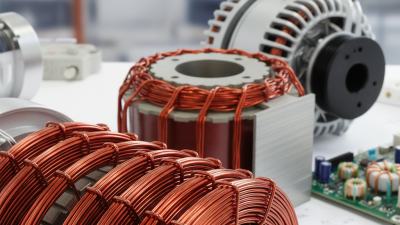
Magnet wire |
Excellent insulation, thin layer |
| Mylar |
Polyester Film |
-70°C to 150°C |
Capacitor and transformer windings |
High dielectric strength |
| Rubber |
Natural/Synthetic Rubber |
-40°C to 90°C |
Flexible cords |
Durable, weather-resistant |
| Thermoplastic Elastomer |
TPE |
-50°C to 150°C |
Flexible and retractable wires |
Combination of flexibility and durability |
Understanding the Performance Characteristics of Coated Wires
Coated wires are vital for various projects. They offer diverse performance characteristics. Understanding these traits helps in selecting the right type for specific needs.
When considering coated wires, pay attention to insulation. Materials can vary significantly. Some provide excellent heat resistance, while others protect against moisture. For outdoor projects, choose wires with durable coatings. They resist environmental wear and tear. Remember, not all coatings are equal.
Tip: Always test the wire's flexibility before use. Rigidity can cause problems in tight spaces.
Coating thickness can impact performance too. Thicker coatings may reduce conductivity. Consider the balance between protection and performance. Not every project requires the most robust solution.
Tip: Check compatibility with connectors. Improper pairings can lead to failures. Choose wisely to avoid potential mishaps.
In conclusion, the choice of coated wire affects overall project success. Reflect on your specific requirements before selecting a type. Adapt your choice for the best outcomes.
Applications and Industries Utilizing Coated Wire Types
Coated wires are essential in various industries. They protect against corrosion and reduce friction. These qualities make them ideal in many applications. For example, in the automotive sector, coated wires are used in electrical systems. They provide insulation and prevent short circuits.
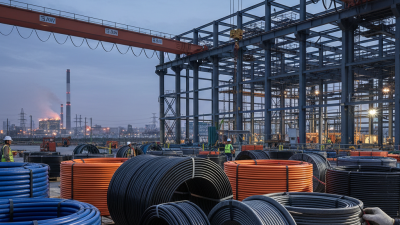
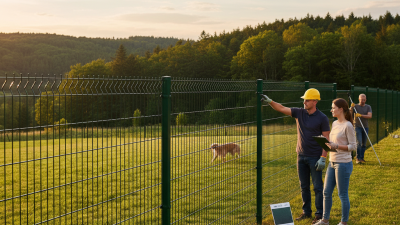
In construction, coated wires support the structures. They provide strength while being resistant to harsh weather. In the agricultural field, these wires help with fencing and support structures for plants.
However, not all coated wires suit every task. The choice depends on specific needs. Reflection is necessary when selecting coated wires. Matching the wire’s properties to its application can be challenging.
Some might assume that any coated wire will work. This could lead to failures and unexpected expenses. Consider the environment and stresses the wire will face. Ultimately, the right choice can enhance project performance.
Factors to Consider When Selecting the Right Wire Coating
When selecting the right wire coating for your project, several factors demand attention. Start with the
environment where you’ll use the wire. Consider exposure to moisture, chemicals, or temperature extremes. These elements can significantly affect
the durability of the coating.
Another crucial aspect is the wire's intended application. Will it be for electrical use, or is it for
structural purposes? Different coatings serve unique functions. For example, some coatings provide excellent insulation, while others focus on
corrosion resistance. Remember that aesthetics may also play a role, depending on visibility.
Tips: Always test the wire in your specific conditions before full-scale implementation. Subtle differences in
performance can yield major impacts. Document your findings; they’ll help you refine your choices. Don't overlook the importance of
professional advice. A knowledgeable person can provide insights you might miss. Rely on their expertise to avoid
costly mistakes.
Maintenance and Durability of Coated Wire Types in Different Environments
Coated wires come in various types, suitable for different environments. Knowing how these coatings perform is crucial. Wire used outdoors faces weather elements. Humidity, UV rays, and temperature fluctuations challenge durability. A robust coating can make a real difference. It protects the wire from corrosion and wear.
In industrial settings, coated wires experience mechanical stress. The right coating can withstand abrasion. Sometimes, selecting the wrong type may lead to failures. This can create costly downtime. Regular inspections help identify wear and prevent accidents. In environments with chemicals, coatings must resist specific substances. Not all coatings are created equal. Understanding your environment is key to choosing the right type.
Maintenance is essential. Even the best coatings degrade over time. Checking for signs of wear helps prolong the wire’s life. Some coatings require reapplication. Others might last longer but come with higher costs. Finding that balance is often tricky. It's not always clear which option is best. Doing thorough research can lead to better decisions.