How to Select Enameled Aluminum Wire for Your Electrical Projects?
Selecting the right Enameled Aluminum Wire is crucial for electrical projects. According to the International Electrotechnical Commission, these wires provide excellent conductivity and lightweight characteristics. Their effectiveness in reducing energy loss makes them popular in various applications.
The demand for Enameled Aluminum Wire has surged, driven by industries seeking cost efficiencies and enhanced performance. Reports indicate that the market for aluminum wire is projected to grow by 6% annually through 2025. This growth emphasizes the importance of understanding wire specifications.
However, not all Enameled Aluminum Wire is created equal. Variations in insulation and gauge can impact performance significantly. Buyers should consider conductor type, insulation quality, and heat resistance. A thorough assessment is necessary to avoid potential project setbacks. An informed choice can lead to improved efficiency but requires careful evaluation of options.
Understanding Enameled Aluminum Wire and Its Applications
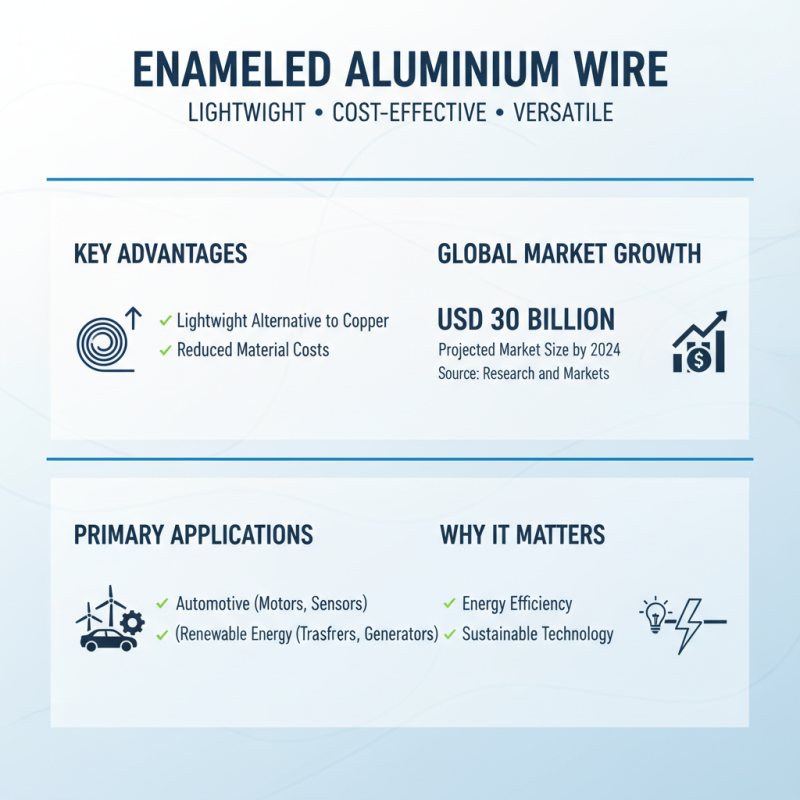
Enameled aluminum wire is a crucial component in various electrical applications. It has gained popularity due to its lightweight properties and cost-effectiveness compared to copper wire. According to a report by Research and Markets, the global enameled wire market is projected to grow steadily, reaching USD 30 billion by 2024. This growth highlights the increasing reliance on enameled aluminum wire in industries such as automotive and renewable energy.
The unique insulation of enameled aluminum wire allows it to withstand high temperatures. This makes it suitable for motor and transformer applications. In the automotive industry, lightweight materials are critical for improving fuel efficiency. Aluminum wire can reduce vehicle weight, ultimately leading to lower emissions. However, the conductivity of aluminum is lower than that of copper, which can impact efficiency. Designers often need to account for this in their projects.
Despite its advantages, some challenges remain. Enameled aluminum wire is more susceptible to mechanical damage than copper. Proper installation techniques are essential to mitigate this risk. Additionally, while it can be cost-effective, fluctuations in raw material prices may affect overall project budgets. Awareness of these factors is essential for selecting the right wire for specific applications.
Key Characteristics of Enameled Aluminum Wire for Electrical Projects
Enameled aluminum wire is essential for many electrical projects. Understanding its key characteristics can greatly enhance your work's efficiency and safety. The wire features a layer of insulation, which prevents short circuits and allows for better electrical conduction. This insulation also protects the wire from environmental factors, making it suitable for various applications.
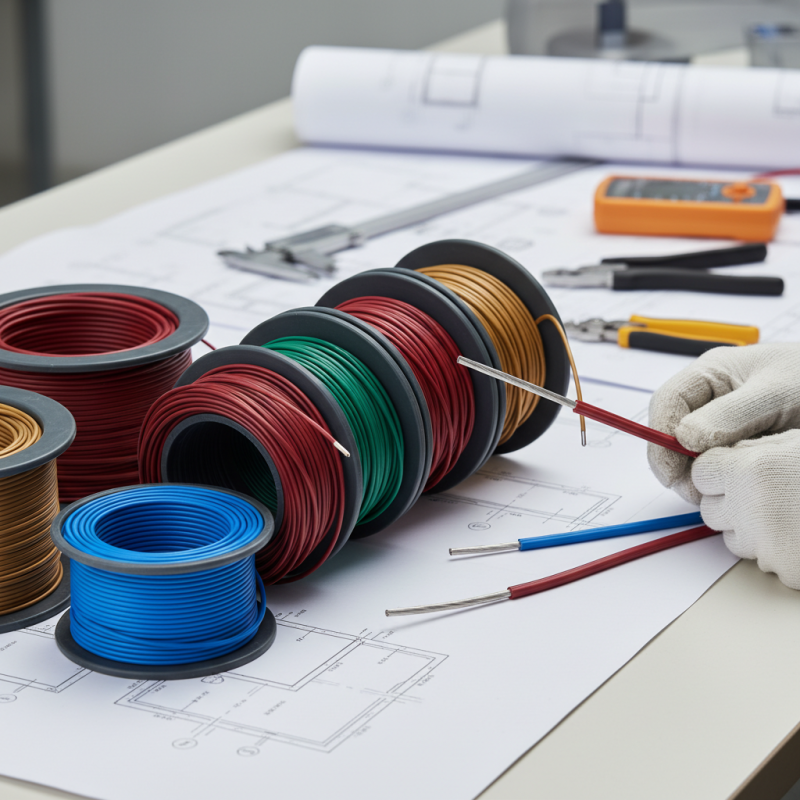
One crucial aspect is the wire gauge. Choosing the right gauge affects the current capacity and overall performance. Larger gauges can handle more current but are heavier and less flexible. Smaller gauges provide more flexibility, which is beneficial in tight spaces. Evaluate your project requirements to select the appropriate gauge to avoid overheating or energy loss.
Tips: Always check the insulation quality. High-quality insulation ensures durability and safety. Additionally, consider the wire's temperature rating. A higher rating means it can withstand more heat. Finally, purchase from reputable suppliers. This ensures you get reliable products for your electrical projects. Remember to reflect on your past choices. Each project can teach valuable lessons for future successes.
Factors to Consider When Selecting Enameled Aluminum Wire
When selecting enameled aluminum wire for electrical projects, consider several important factors. The wire’s gauge impacts its current-carrying capacity. Thicker wires can handle more electricity, while thinner wires may be more suitable for low-power applications. The American Wire Gauge (AWG) system provides a clear standard for wire sizes, making it easier to choose the right option for your needs.
The type of enamel coating is significant. Different types offer varying degrees of thermal resistance and flexibility. For instance, polyamide and polyester coatings are popular for their excellent insulation properties. Understanding these characteristics is crucial for enhancing the durability and safety of your projects. Data suggests that wires with higher thermal ratings can improve performance in high-temperature environments, reducing the risk of failures.
Tip: Always check the wire’s thermal rating before use. This ensures it can handle your project’s conditions.
Another factor is the wire’s cost-effectiveness. While cheaper options may be tempting, they can lead to long-term issues. Choosing high-quality wire with reliable performance can save money by preventing future replacements. Also, consider how often the wire will be bent or manipulated. Some wires can become brittle over time, which may not be evident at the time of purchase.
Tip: Conduct research and read reviews before making a choice. It helps in avoiding short-term decisions that lead to future complications.
Comparing Enameled Aluminum Wire to Other Types of Wire
When considering enameled aluminum wire, it's essential to compare it with other wire types. Copper wire is often viewed as the standard. It boasts excellent conductivity and flexibility. However, it comes with higher costs and weight. Enameled aluminum wire provides a more budget-friendly option. Its lightweight nature makes it ideal for projects where weight is a concern.
Enameled aluminum wire has its unique advantages. It offers good corrosion resistance due to its insulating enamel coating. This feature is crucial in many electrical applications. Additionally, aluminum wire stands up well under heat, making it suitable for various environments. Nonetheless, one must consider the fact that its conductivity is lower than copper's. This aspect can impact performance in high-demand situations.
Furthermore, installation challenges may arise with aluminum wire. It requires specific connectors to ensure a secure fit. Users should be aware of the techniques for working with aluminum to avoid potential issues. Making the right choice often involves weighing these factors against project needs. Each type of wire has its merits and drawbacks, and careful consideration is vital for successful outcomes.
How to Select Enameled Aluminum Wire for Your Electrical Projects? - Comparing Enameled Aluminum Wire to Other Types of Wire
| Wire Type |
Conductivity (S/m) |
Weight (kg/km) |
Corrosion Resistance |
Cost ($/kg) |
| Enameled Aluminum Wire |
37.8 |
270 |
Moderate |
6.5 |
| Copper Wire |
58.0 |
900 |
Low |
12.0 |
| Aluminum Wire |
36.0 |
700 |
Moderate |
4.0 |
| Enameled Copper Wire |
58.0 |
900 |
Low |
14.0 |
Best Practices for Using Enameled Aluminum Wire in Electrical Projects
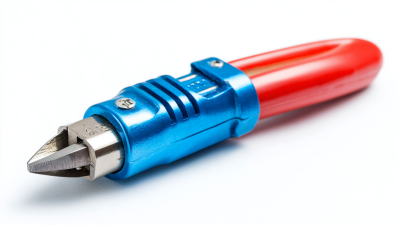
When working with enameled aluminum wire, proper handling is crucial for achieving optimal results. A recent industry report highlighted that improper installation can lead to a failure rate as high as 15% in electrical projects. Always strip the enamel carefully without damaging the underlying aluminum. Use a suitable stripping tool for a clean cut. Ensure that the wire ends are free of insulation for a solid electrical connection.
Choosing the correct gauge is also vital. Data shows that using the wrong gauge can result in overheating, with 35% of professionals reporting thermal-related issues. For most applications, a wire gauge between 12 and 16 AWG is common. However, assess the specific requirements of your project before finalizing your wire choice. Keep in mind that while enameled aluminum wire offers weight savings and increased conductivity, it can be less forgiving during installation mistakes. Reflecting on past experiences can help in avoiding such pitfalls, enhancing both safety and efficiency in your work.
How to Select Enameled Aluminum Wire for Your Electrical Projects?