How to Properly Use Varnished Wire in Electrical Projects?
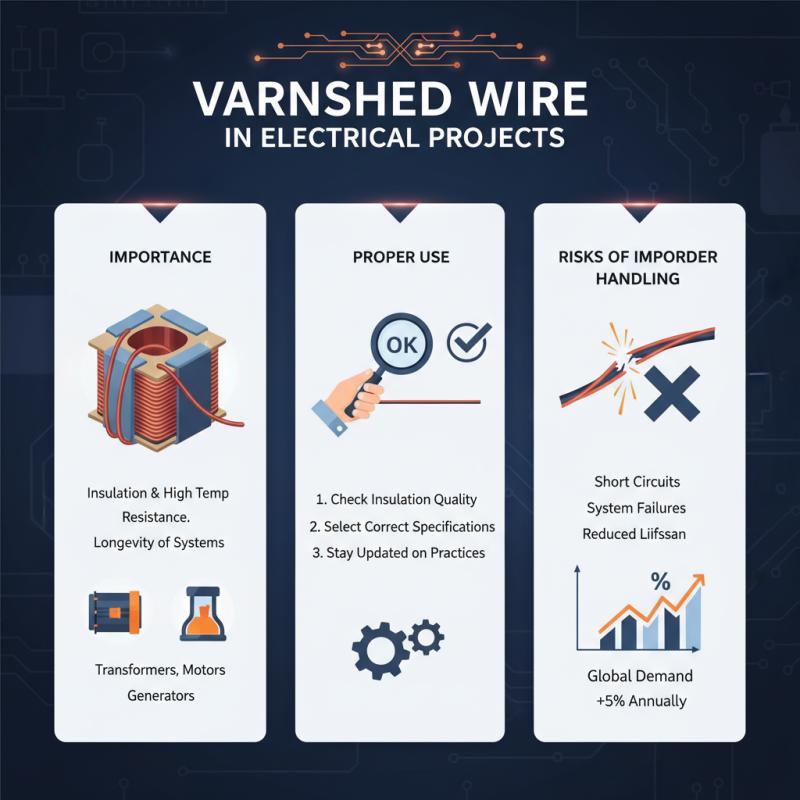
Varnished wire plays a crucial role in electrical projects. This specialized wire is often used in transformers, motors, and generators. According to industry reports, the global demand for varnished wire is projected to grow at a rate of 5% annually. This pushes manufacturers to improve production techniques, ensuring better efficiency and reliability.
Using varnished wire correctly can impact the longevity of electrical systems. It provides insulation and can withstand high temperatures. However, improper handling can lead to failures. Many professionals frequently overlook this aspect. Ensuring correct application techniques is vital for performance and safety.
One common mistake is neglecting to check the insulation quality before use. Investing time in this reduces the risk of shorts. Not all varnished wire is created equal; different specifications serve unique purposes. Understanding these nuances leads to better project outcomes. In the fast-evolving electrical industry, remaining updated on the latest practices is essential for effective use of varnished wire.
Understanding Varnished Wire: Properties and Applications
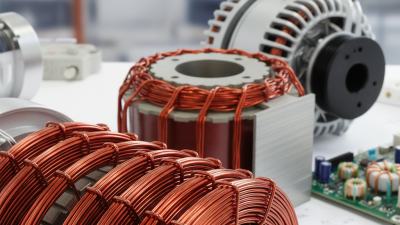
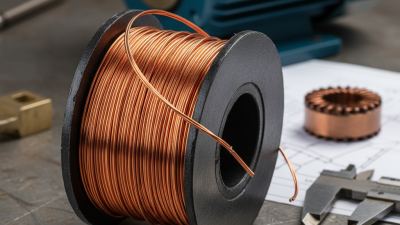
Varnished wire is an essential material in electrical projects. Its unique properties make it suitable for various applications. The enamel coating on the wire provides insulation, allowing it to withstand high temperatures. This coating enhances durability and reduces the risk of short circuits. Many electricians choose varnished wire for motors, transformers, and inductors due to these advantages.
Despite its benefits, working with varnished wire requires care. The insulation can be thin and prone to damage. When stripping varnished wire, extra attention is needed to avoid breaking the enamel. Using improper tools may lead to exposed sections, which can cause failures. Some might overlook these details, resulting in miscalculations in their projects. It’s essential to test and double-check connections before finalizing any installation.
The versatility of varnished wire extends beyond traditional uses. It can be applied in winding coils for various devices. However, it may not always be the best choice for high-voltage applications. Evaluating the specific requirements of a project is crucial. Reflecting on these factors ensures safer and more efficient outcomes. Understanding the right applications for varnished wire helps in making informed decisions.
Understanding Varnished Wire Properties and Applications
Choosing the Right Type of Varnished Wire for Your Project
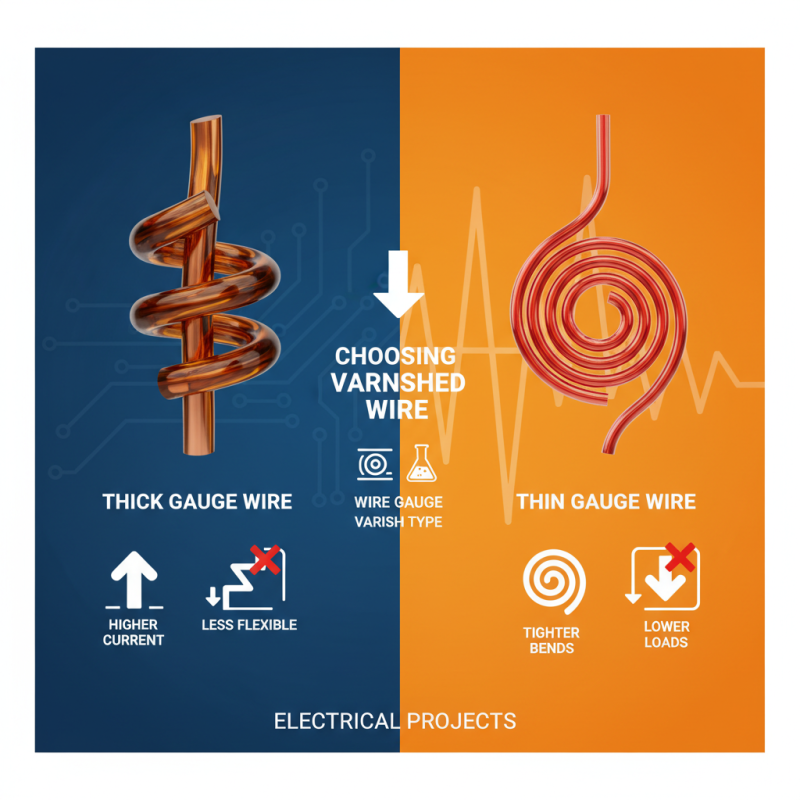
Choosing the right type of varnished wire is crucial for your electrical projects. Varnished wire is insulated, making it suitable for various applications. When selecting, consider the wire gauge and the specific type of varnish used. Thicker wires can handle higher currents, but they may be less flexible. If you need tighter bends, thinner wires are better, but they may not support heavy loads.
Different types of varnished wires offer varying heat resistance. Some can withstand high temperatures, while others may degrade quickly. Make sure to check the temperature ratings. It's important to match these specifications with your project's requirements. If the wire is too lightweight for your needs, it can lead to overheating or failure.
It’s often easy to overlook how well the wire can handle moisture. In humid environments, some varnishes break down faster. Another detail to think about is the wire length. Too long or too short can lead to issues in electrical performance. Reflect on these factors to ensure safer and more effective results in your electrical projects.
Preparing Varnished Wire for Electrical Connections
Preparing varnished wire for electrical connections requires careful attention. This type of wire often has insulating varnish that needs to be stripped off before use. Start by measuring the length of wire you need. Cut it cleanly with wire cutters, ensuring no frays occur at the ends.
To strip the varnish, you might use a sharp utility knife. Gently scrape away the insulation, but don’t damage the wire beneath. Avoid applying too much pressure, as this might create weak points. Keep a smooth motion to prevent unwanted breaks.
Tips: Always wear safety goggles when working with sharp tools. Test the wire after stripping to ensure a good connection. If the varnish is hard to remove, you can soak the wire in a small amount of solvent, but handle it with care. Remember, a clean connection is critical for efficiency. Each step may seem minor, but even small mistakes can lead to significant issues later on. Focus on precision, and take your time.
Techniques for Properly Connecting Varnished Wire
When working with varnished wire, proper connections are crucial. These wires are often coated with insulation. This can make connecting them more challenging. You need to carefully remove the varnish from the ends of the wire. A sharp blade or wire stripper can do the job. However, precision is key. It’s easy to cut too deep and damage the wire itself, which may lead to poor connections and malfunctions.
After stripping the varnish, ensure the exposed wire is clean. Dust or oil can affect the connection. Use a cloth to wipe it down. Then, you can twist the wires together or use connectors. If the wires slip apart, the connection is unreliable. So, test it gently by tugging on the wires. If they hold, you’re on the right track.
Remember, not all connections will be perfect initially. Sometimes, wire may not connect as expected. This might happen due to uneven stripping or insufficient twisting. It’s okay to revisit your work. Don’t be afraid to start over if needed. Each attempt teaches you something valuable. Practice leads to better techniques over time. Keep trying!
How to Properly Use Varnished Wire in Electrical Projects? - Techniques for Properly Connecting Varnished Wire
| Techniques |
Description |
Tools Required |
Safety Tips |
| Stripping |
Carefully remove the varnish using a wire stripper to ensure proper conductivity. |
Wire Stripper, Sandpaper |
Wear gloves and goggles to protect against wire shards. |
| Twisting |
Twist the wires together firmly to ensure a solid connection. |
Wire Twister, Pliers |
Ensure the power is off before twisting wires. |
| Soldering |
Use solder to permanently connect the wires after stripping. |
Soldering Iron, Solder |
Avoid inhaling fumes and use adequate ventilation. |
| Insulating |
Cover connections with electrical tape or heat shrink tubing to prevent short circuits. |
Electrical Tape, Heat Shrink Tubing |
Ensure the tape or tubing is rated for the wire's voltage. |
| Testing |
Use a multimeter to verify proper electrical connectivity after completing connections. |
Multimeter |
Check for voltage levels before conducting tests. |
Safety Precautions When Using Varnished Wire in Electrical Work
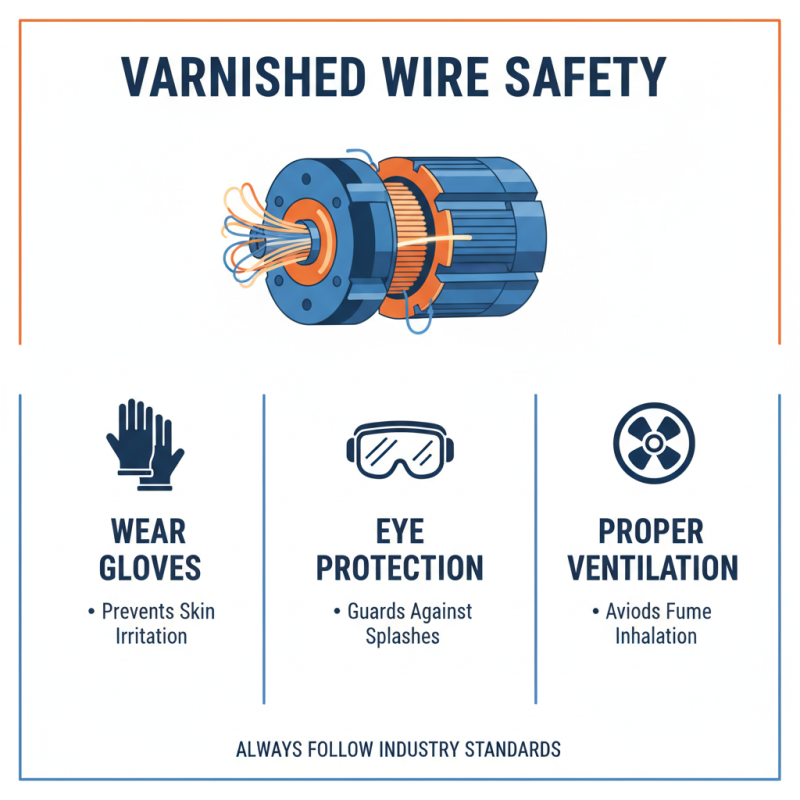
When using varnished wire in electrical projects, safety precautions are critical. According to industry standards, varnished wire is often used for winding motors and transformers due to its excellent insulation properties. However, it can pose risks if mishandled. Always wear gloves to prevent skin irritation from resin exposure.
Improper handling can lead to wire damage, affecting functionality. A study by the Electrical Safety Foundation International indicates that nearly 30% of electrical injuries stem from equipment failures, often linked to insulation breakdown. Keep your workspace organized. Stray wires can create trip hazards or worse, accidental short circuits.
Additionally, ensure proper ventilation when working with varnished wire. Overheating can release harmful fumes. A report from the National Fire Protection Association shows that electrical fires account for 15% of all building fires. This adds urgency to taking safety seriously. Check for frayed ends and avoid over-tightening connections. Reflect on your methods frequently. Small oversights can lead to significant issues. Always consider the long-term implications of safety practices.