What is Paper Coated Electrical Wire and its Applications?
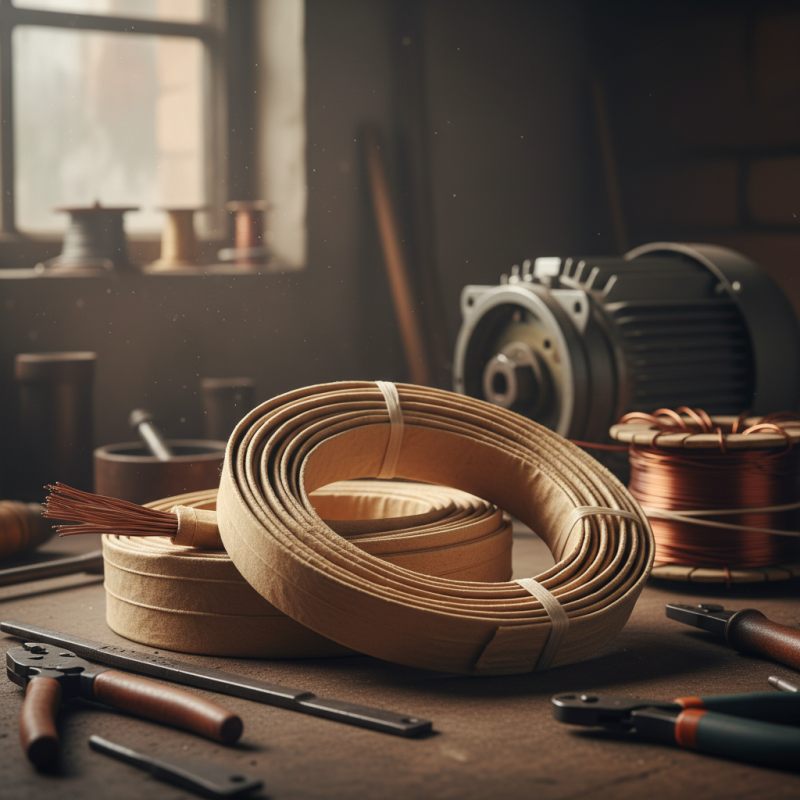
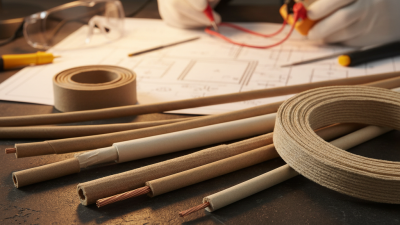
Paper Coated Electrical Wire is a unique product that combines traditional wiring with specialized materials. It features a paper insulation that offers advantages in various applications. The paper coating allows for better thermal stability and flexibility, making it ideal for certain electrical uses.
In many industries, this type of wire is essential. It is often found in applications requiring high performance under demanding conditions. For instance, it is used in transformers, motors, and other electrical devices. The lightweight characteristic of Paper Coated Electrical Wire enhances its usability in compact spaces.
However, it is not without challenges. The durability can sometimes be a concern in harsh environments. Users must consider these factors carefully when selecting materials. Overall, Paper Coated Electrical Wire presents an intriguing option for those looking for effective electrical solutions.
What is Paper Coated Electrical Wire?
Paper coated electrical wire
is a specialized type of wire used in various electrical applications.
This wire features a layer of paper insulation that provides excellent dielectric properties.
Its ability to withstand high temperatures makes it suitable for demanding environments, such as transformers and motors.
According to industry reports, the global demand for paper insulated wires is expected to grow by around 6% annually.
When choosing paper coated electrical wire, consider its moisture resistance and thermal stability.
Many manufacturers are focusing on improving these features to enhance wire performance.
This wire may not be suitable for all settings. In humid conditions, its insulation could degrade over time.
Testing is crucial before implementation.
Tips: Always assess the operating conditions for your application.
A thorough understanding of the environment will help in selecting the right wire.
Be mindful of the potential hazards associated with improper insulation.
Regular inspections can prevent failures in critical systems.
Composition and Characteristics of Paper Coated Wire
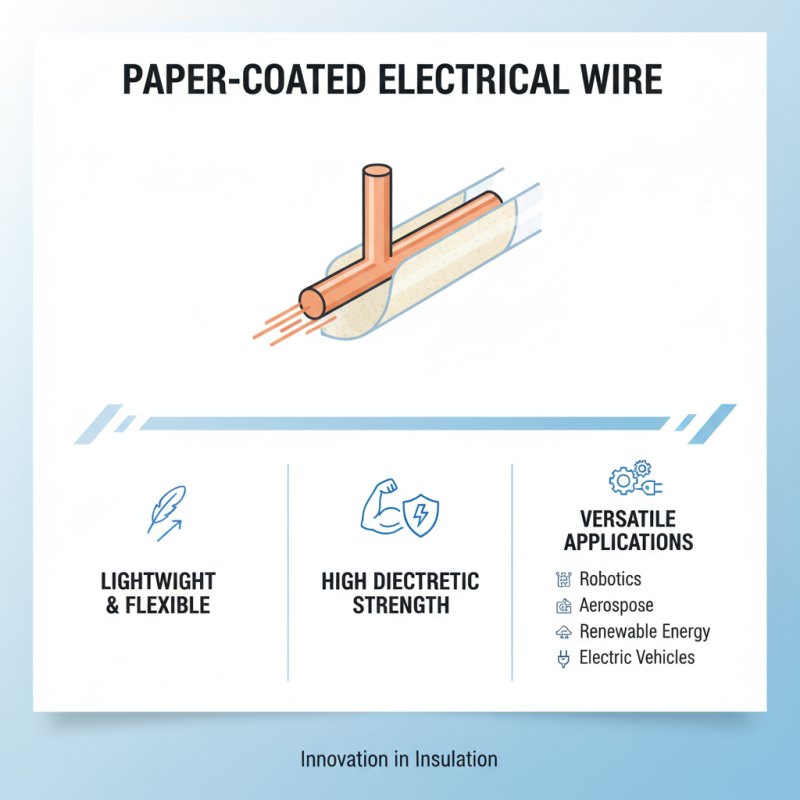
Paper coated electrical wire is a unique product in the electrical industry. Its composition primarily includes a copper or aluminum core, coated with layers of high-quality paper insulation. This paper is treated with special chemicals to enhance its dielectric properties. According to industry reports, paper insulation can withstand high voltage levels, making it suitable for various applications.
The characteristics of paper coated wires include flexibility and durability. They can resist environmental factors like moisture and heat. However, they are not as resistant as synthetic alternatives. In industries where flexibility and lightweight materials are crucial, such as in power generation, these wires offer unique benefits. Data indicates that paper coated wires experience less thermal expansion, allowing them to maintain integrity under stress. Despite these advantages, users should consider the wire's longevity in humid environments, as it may degrade faster.
In applications like transformers and generators, paper coated wires are favored. Their efficient thermal conduction and electrical insulation properties help in effective energy transfer. However, they can suffer from insulation breakdown due to prolonged exposure to extreme conditions. Understanding these limitations can help engineers make informed decisions about using paper coated electrical wires in critical systems.
Benefits of Using Paper Coated Electrical Wire
Paper coated electrical wire offers various benefits for users in different industries. One significant advantage is its excellent insulation properties. The paper coating provides reliable electrical insulation, reducing the risk of shorts. Additionally, this type of wire can withstand high temperatures, making it suitable for demanding applications.
Another benefit is its lightweight nature. This feature makes installation easier and reduces overall system weight. It’s especially advantageous in applications where space and weight are critical factors, like in aerospace and automotive industries.
Tips: Always consider the temperature rating for your specific application. This rating will help prevent insulation failure. When selecting paper coated wire, check the environmental conditions it may face. Assessing moisture and chemical exposure is essential for long-term performance.
Common Applications of Paper Coated Electrical Wire
Paper coated electrical wire is becoming more common in various applications. This wire features an insulation made from a layer of paper. This design allows it to be lightweight and flexible, which is a great advantage in many settings. Many engineers appreciate the high dielectric strength that this wire offers.
In the electrical industry, paper coated wires find their place in transformers and motors. The insulation effectively withstands heat and offers robust protection against environmental factors. Additionally, the wire's ability to manage temperature makes it ideal for windings where reliability is vital. However, maintenance of the wire can be challenging in humid conditions.
Manufacturers utilize this wire in generators as well, ensuring safety and efficiency. Its function in high-frequency applications also underscores its prowess. Despite the benefits, there are concerns about moisture absorption over time. It’s crucial to evaluate these risks carefully. Such considerations are part of creating a more durable and reliable electrical system.
Comparison with Other Types of Electrical Insulation Materials
Paper coated electrical wire is a type of insulator used in various applications. It stands out for its electrical insulation properties and thermal resistance. However, its performance can vary depending on environmental conditions and usage. Many industries find it appealing for specific tasks that require lightweight and flexible wiring solutions.
When compared to other insulation materials, paper coated wire has unique characteristics. Unlike PVC or rubber, paper can be more susceptible to moisture. Yet, it offers a natural advantage in low-temperature applications. The choice between paper coated wire and alternatives often depends on the specific requirements of a project. Consideration of factors like durability and environmental impact is crucial.
Some users may overlook the limitations of paper coated wires. They might be too focused on the benefits, neglecting aspects like potential degradation over time. Regular maintenance is often necessary to ensure optimal performance. In some cases, this type of insulation may require periodic inspections to confirm its integrity. Balancing these factors is essential for effective usage in electrical applications.