Why Insulating Wire is Essential for Electrical Safety and Performance?
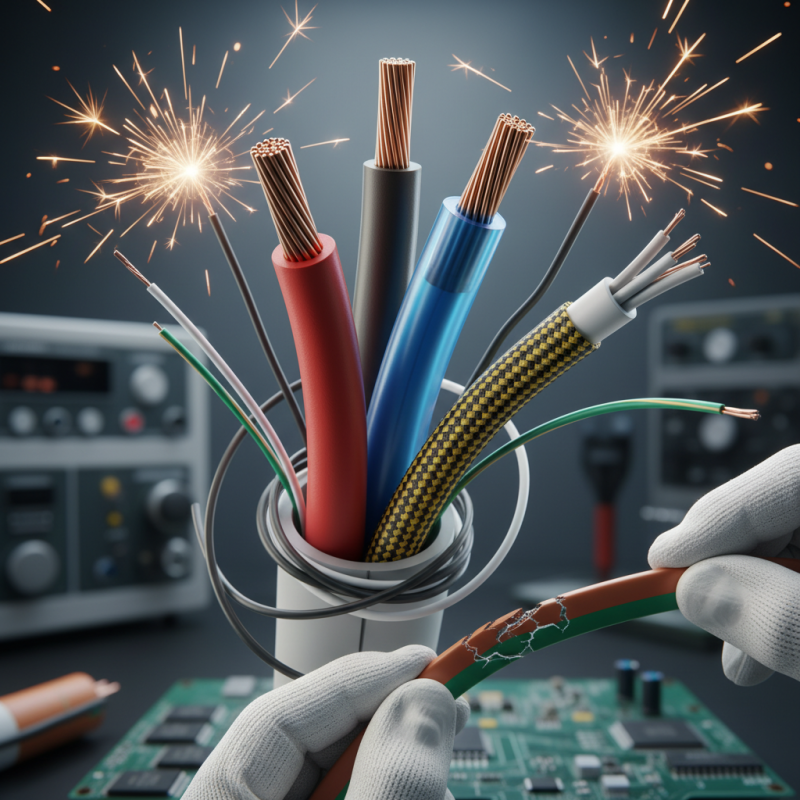
Insulating Wire plays a critical role in electrical safety and performance. Experts in the field emphasize its importance. John Smith, a leading electrical engineer, states, "The right insulating wire can prevent disasters." This highlights how crucial insulation is in safeguarding both equipment and lives.
Without proper insulation, wires can cause short circuits and fires. Insulating Wire prevents electrical shock and ensures the reliability of devices. The right materials can reduce risks significantly. Many industries rely on these wires for operational safety.
However, not all insulating wires are created equal. Poor quality insulation can fail, leading to dangerous situations. Regular testing and adherence to safety standards are vital. We must not overlook these details for the sake of performance and safety. The discussion around Insulating Wire is essential in securing our electrical infrastructure.
Importance of Insulation Materials in Electrical Wiring
Insulation materials play a crucial role in electrical wiring. They ensure safety by preventing electric shocks and short circuits. Without proper insulation, wires can come into contact with each other or with conductive surfaces. This can lead to dangerous situations. For instance, exposed wires can cause fires. Insulation helps maintain performance standards.
Different materials, like PVC or rubber, offer unique benefits. Each type has varying levels of heat resistance and flexibility. Some materials may crack over time, losing effectiveness. Regular inspection is essential. It’s easy to overlook damaged insulation until it's too late. The risk of accidents increases significantly if insulation is compromised.
Choosing the right insulation is not straightforward. Factors such as environmental conditions and application requirements must be considered. It's tempting to cut costs on materials, but this can impact safety. Proper insulation can significantly affect the longevity of electrical systems. Making informed choices can prevent issues down the line.
Why Insulating Wire is Essential for Electrical Safety and Performance?
| Insulation Material |
Temperature Rating (°C) |
Voltage Rating (V) |
Application Area |
Fire Resistance |
| PVC (Polyvinyl Chloride) |
-10 to 70 |
600 |
Residential Wiring |
Low |
| XLPE (Cross-Linked Polyethylene) |
-40 to 90 |
1000 |
Industrial Applications |
Moderate |
| Rubber Insulation |
-40 to 85 |
600 |
HVAC Systems |
High |
| Teflon (PTFE) |
-55 to 260 |
5000 |
Aerospace and Medical |
Very High |
| Nylon |
-40 to 105 |
600 |
Automotive Wiring |
Moderate |
Types of Insulating Materials Used in Electrical Cables
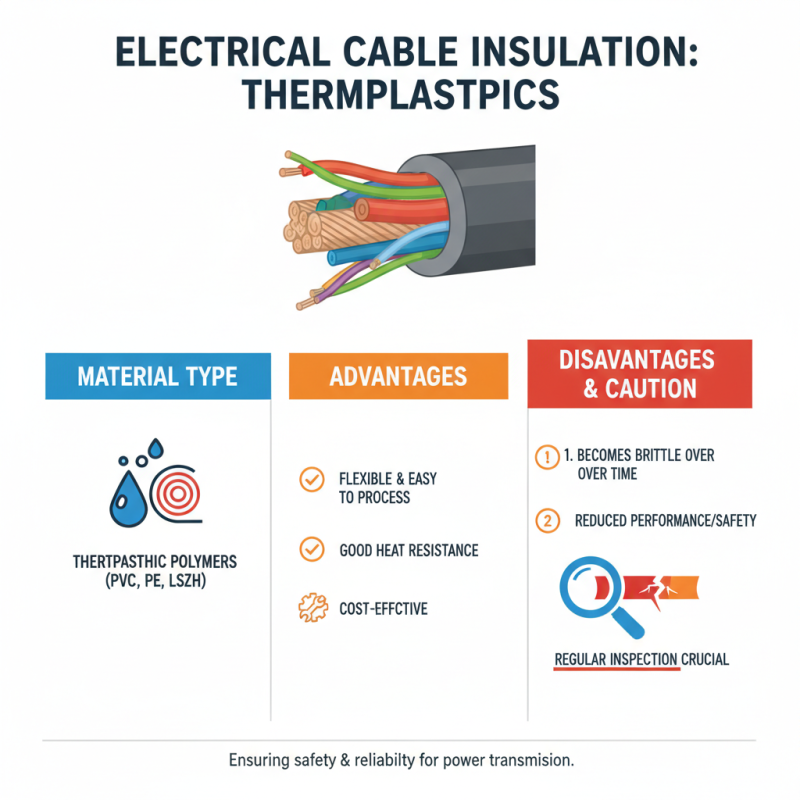
Insulating materials are crucial for the safety and performance of electrical cables. Different types of materials are utilized in insulation, each offering unique advantages. Thermoplastic materials, for example, are flexible and easy to process. They withstand heat well but can become brittle over time. This brittleness can compromise performance, highlighting the need for regular inspection.
Rubber is another common insulating material. It provides excellent moisture resistance, protecting cables from water damage. However, rubber can degrade when exposed to sunlight or certain chemicals. This deterioration raises concerns, especially in outdoor applications. Users must be aware of these challenges to ensure longevity.
Polyvinyl chloride (PVC) is often chosen for its affordability. It is durable and resistant to many environmental factors. Yet, PVC may emit harmful fumes when burned. This potential hazard necessitates strict safety guidelines. When selecting insulation, understanding these materials and their limitations is essential for optimal safety and performance.
Safety Risks of Using Poorly Insulated Wires
Using poorly insulated wires presents serious safety risks. One of the main dangers is the likelihood of electrical shocks. Without proper insulation, live wires are exposed, posing a risk to anyone who comes into contact with them. When wires are not insulated well, they can also cause short circuits. This can lead to overheating and even fires, resulting in significant property damage.
Another issue with inadequate insulation is the degradation of electrical performance. Poorly insulated wires can lead to energy loss as heat. This reduces efficiency and increases costs over time. Additionally, wires that do not have proper insulation may struggle with environmental factors. Moisture and dust can penetrate the wires, causing corrosion and further diminishing their effectiveness.
Reflecting on the importance of insulation, it’s clear that ignoring this aspect can lead to costly consequences. Many may overlook the importance of wire insulation, assuming it’s a minor detail. Yet, it is a critical component for safety. Investing in high-quality insulated wires is not just a choice; it is a necessity to prevent risks and ensure optimal performance.
Impact of Insulation on Electrical Performance and Efficiency
The insulation on electrical wires plays a crucial role in their overall performance and efficiency. Proper insulation prevents short circuits and reduces energy loss. Inadequate insulation may lead to overheating and energy waste. When wires are insulated well, they operate at optimal levels.
Insulation materials can influence how electricity flows. Different types of insulation have varying properties. For example, some insulations improve heat resistance, while others enhance conductivity. Choosing the right type can significantly affect performance. It often requires balancing cost and efficiency, which is not always straightforward.
In practice, many overlook the importance of insulation. Some may be tempted to use cheaper, inferior options to cut costs. This can lead to defects or safety hazards down the line. Rethinking choices about wire insulation is critical. Each decision impacts not just safety but also long-term energy efficiency.
Maintenance and Inspection of Insulated Wiring Systems
Maintaining and inspecting insulated wiring systems is crucial for safety. Regular checks can reveal wear and tear. Frayed wires or exposed insulation pose risks. These issues can lead to short circuits, potentially causing fires. Visual inspections help identify problems early.
Wiring should be evaluated for physical damage. Look for signs of corrosion or discoloration. Even small imperfections matter. Testing insulation resistance is essential. It helps assess if wires can safely manage electrical loads. Non-invasive tools can aid in inspections, ensuring thorough evaluation.
Neglecting maintenance can have dire consequences. Overloaded or damaged wiring systems often endanger both property and lives. Building an inspection routine is wise. Check connections and junction boxes regularly. Simple steps can improve safety and performance significantly. Investing time now prevents bigger issues later.