Top Enameled Magnet Wire Types for Your Electrical Projects?
Enameled Magnet Wire is a crucial component in various electrical applications. Its efficiency and versatility significantly contribute to the performance of motors, transformers, and other electrical equipment. According to a recent market report by Grand View Research, the global Enameled Magnet Wire market was valued at over $22 billion in 2022, projected to grow at a CAGR of 6.3% through 2030.
An industry expert, Dr. Emma Li, states, "Choosing the right type of Enameled Magnet Wire is essential for optimizing energy efficiency in electrical systems." Different types of enameled wire come with unique properties, catering to specific project needs. This essential factor can directly affect the lifespan and efficiency of your electrical systems. Understanding the nuances of Enameled Magnet Wire types can enhance your project's effectiveness.
Despite the wealth of options, selecting the right type remains challenging. Factors like thermal resistance, insulation thickness, and wire gauge are crucial to performance. Misjudgments in this selection can lead to project inefficiencies. As the industry evolves, staying informed and making thoughtful choices becomes increasingly important.
Understanding Enameled Magnet Wire: A Comprehensive Overview
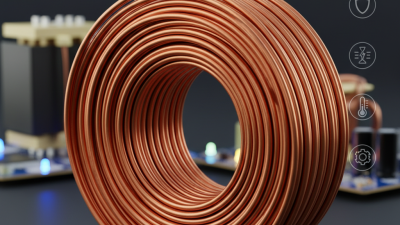
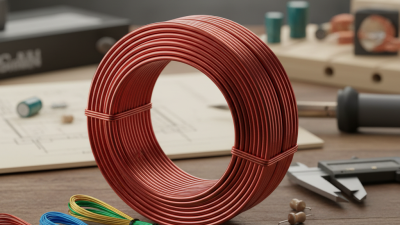
Enameled magnet wire is essential in various electrical projects. It consists of copper or aluminum wrapped with an insulating enamel coating. This wire is lightweight and efficient, making it ideal for motors, transformers, and coils. Understanding magnet wire is crucial for selecting the right type for your work.
When choosing enameled magnet wire, consider the wire gauge. Thicker wires can handle more current, while thinner ones are better for precision applications. Note that insulation types vary. Some can withstand high temperatures, while others protect against moisture. These factors directly impact performance.
**Tips:** Always check for proper insulation ratings based on your project's environment. Test the wire’s conductivity before use. If you're unsure about your choice, consult experts or ask for recommendations. This way, you can avoid costly mistakes.
Feel free to experiment with different wire types. Learning through trial and error often leads to better understanding. Keep a journal of your projects. Documenting successes and failures can provide valuable insights for future work.
Types of Enameled Magnet Wire: Characteristics and Applications
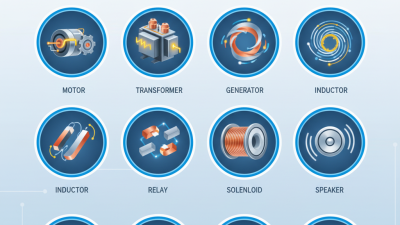
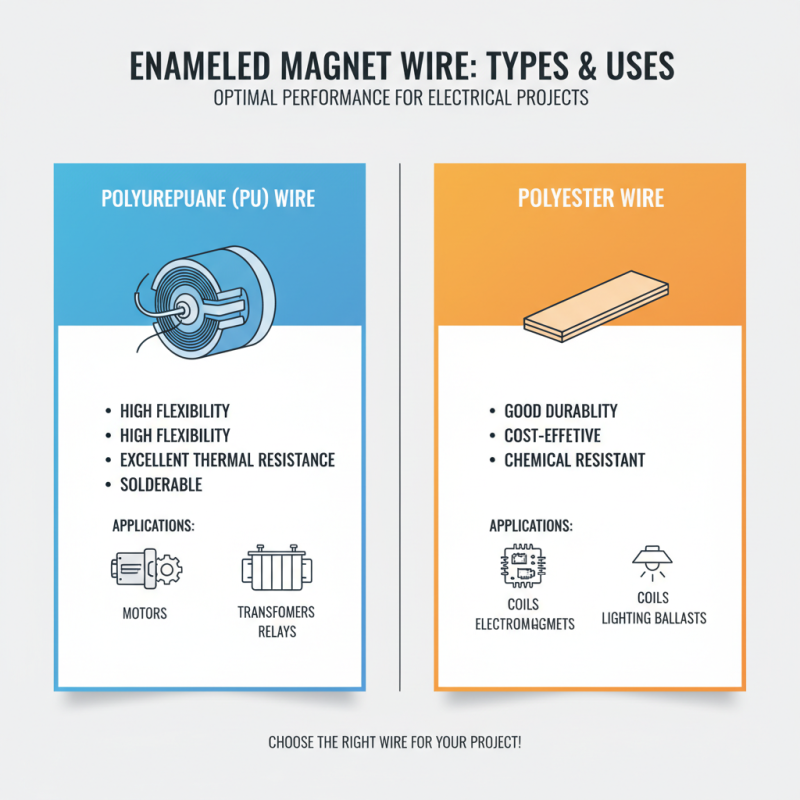
Enameled magnet wire is a vital component in various electrical projects. Understanding the different types and their unique characteristics is crucial for optimal performance. Two commonly used types are polyurethane (PU) and polyester enameled wires. PU offers exceptional flexibility and thermal resistance, suitable for applications in motors and transformers. Polyester wires, while less flexible, are valued for their durability and cost-effectiveness.
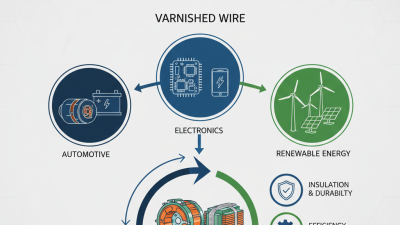
Recent industry reports suggest that the global demand for enameled magnet wire is projected to reach over 500 million tons by 2025. This trend indicates the growing reliance on efficient wiring solutions in sectors like renewable energy and electric vehicles. Yet, choosing the right type isn't always straightforward. Assessing your project’s specific needs is essential before making a selection.
Tips: Always consider thermal ratings and insulation standards. Check for compatibility with your project’s operating environment. Don’t overlook the importance of proper installation, which can significantly impact performance. The wrong wire choice could lead to inefficiencies and unexpected failures, underscoring the need for careful evaluation before procurement.
Comparing Insulation Materials for Enameled Magnet Wire
Enameled magnet wire is essential in various electrical projects. When selecting it, consider the insulation materials used. The most common types include polyurethane, polyester, and polyimide. Each has unique characteristics that affect performance.
Polyurethane-insulated wire is popular due to its excellent flexibility. This flexibility makes it ideal for tight spaces. However, it may not withstand higher temperatures as well as other types. Polyester insulation is another option, offering good thermal properties. It can endure higher operating temperatures, but its rigidity can pose challenges in certain applications.
Polyimide is known for its superior thermal stability. This makes it suitable for environments with extreme temperatures. However, it often comes at a higher cost and may require specialized handling. Ultimately, the choice of insulation depends on the specific requirements of your electrical project. Finding the right balance between performance and cost can be a challenge. Always evaluate the trade-offs to ensure reliable results.
Top Enameled Magnet Wire Types for Your Electrical Projects
This chart compares the thermal resistance of various types of enameled magnet wire commonly used in electrical projects. Understanding the thermal capabilities of each type helps in selecting the right wire for specific applications.
Choosing the Right Gauge for Your Electrical Projects
Choosing the right gauge for enameled magnet wire is crucial for electrical projects. Wire gauge affects performance, efficiency, and safety. A thicker wire reduces resistance and allows greater current flow. However, it increases weight and handling difficulty. For light-duty applications, a wire gauge of 24 to 30 is generally adequate. On the other hand, heavier loads typically require gauges ranging from 12 to 16.
In choosing the right gauge, consider the project requirements. For instance, high-frequency applications often benefit from finer wire to minimize skin effect. It's helpful to refer to the American Wire Gauge (AWG) standard chart for clarity. Remember, a thicker wire can lead to higher costs, while a thinner wire may overheat.
Tips: Always account for the environment. In humid areas, a slightly thicker wire can prevent corrosion. Additionally, try to avoid using overly long wires; they can cause voltage drops. Test your setup with your specific materials to identify the best gauge. Keep in mind that even small mistakes can impact efficiency. Consider consulting technical resources or professionals to ensure your choice aligns with project goals.
Best Practices for Working with Enameled Magnet Wire
When working with enameled magnet wire, understanding best practices is crucial for success in your electrical projects. One key consideration is insulation quality. According to industry reports, the thermal endurance rating of enamel coatings significantly impacts the longevity of magnet wire systems. Wires with higher temperature ratings are often more durable but can be harder to work with. Ensure you select a type of enamel that suits both your application's heat requirements and handling needs.
Proper handling techniques are also essential. Many project failures stem from improper stripping of the wire. Use appropriate tools specifically designed for enameled wires to avoid damage. Industry experts suggest that using a precision wire stripper can save time and reduce waste. Cleaning the wire after stripping improves connectivity but requires careful attention. A small amount of solvent can remove residual enamel, yet it’s crucial to follow safety precautions.
Testing your connections before finalizing any soldering or windings prevents potential failures. Regular inspections can help identify issues early on. Some reports suggest that up to 25% of electrical failures in motors and transformers relate to improper connections using enameled wire. Reflecting on these practices can lead to improved outcomes in your projects.
Top Enameled Magnet Wire Types for Your Electrical Projects
| Wire Type |
Diameter (AWG) |
Insulation Type |
Max Operating Temp (°C) |
Application |
| Polyurethane Enameled |
18 |
Polyurethane |
130 |
Small motors, transformers |
| Polyester Enameled |
20 |
Polyester |
155 |
Home appliances |
| Polyimide Enameled |
22 |
Polyimide |
200 |
High-temperature applications |
| Enamelled Copper Wire |
26 |
Enamel |
180 |
Transformers, inductors |
| Magnet Grade Enameled |
30 |
Special resin |
220 |
High-performance motors |