How to Choose the Right Electromagnetic Wire for Your Project?
Choosing the right Electromagnetic Wire is crucial for successful electrical projects. This decision impacts efficiency and performance. According to the latest industry report by the International Electromagnetic Wire Association, over 75% of failed projects stem from improper wire selection. These statistics highlight the importance of understanding material properties, insulation types, and current ratings.
Expert James Robeson states, "Selecting the right Electromagnetic Wire can make or break your project." His experience reflects a common challenge in the field. Many engineers overlook specific wire characteristics, focusing instead on availability and cost. This approach often leads to inefficiencies.
As the demand for Electromagnetic Wires grows, so does the complexity of choices. Factors like environmental conditions and installation methods can affect wire performance significantly. Engaging with experienced professionals can provide insights into avoiding common pitfalls. Mistakes in wire selection are often costly and time-consuming. Understanding the details is essential for achieving success.
Understanding Electromagnetic Wire Types and Their Applications
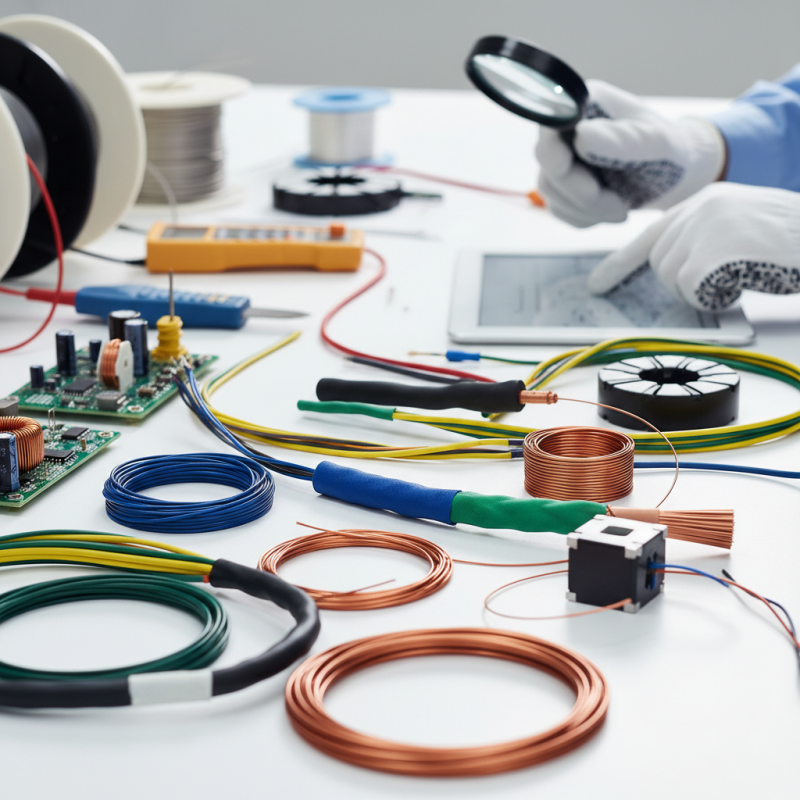
When choosing the right electromagnetic wire, understanding the different types is crucial. Copper wire is the most common. It has excellent conductivity. This allows for efficient energy transfer. A recent industry report indicates that copper wire accounts for over 70% of the electromagnetic wire market. However, it can be quite expensive, especially for large projects.
Aluminum wire is a cost-effective alternative. It weighs less than copper but has lower conductivity. An analysis showed its usage has increased by 30% in certain applications. For high-frequency signals, specialty wires such as Litz wire are essential. They reduce skin effect losses, which can improve performance. Unfortunately, they are often overlooked due to higher complexity and cost.
Each wire type serves specific applications. For instance, flexible wires are necessary in robotics and automation, where movement is frequent. The challenge lies in balancing performance and budget. Many projects fail to properly assess the long-term costs. So, careful selection based on detailed understanding can make a significant difference.
Electromagnetic Wire Types and Their Applications
Key Factors to Consider When Selecting Electromagnetic Wire
Choosing the right electromagnetic wire can significantly impact your project's success. One key factor is the wire's insulation type. Different projects require different insulation materials. For instance, some may need high temperature resistance, while others focus on flexibility. It’s vital to evaluate the environmental conditions the wire will face.
Another important aspect is the wire gauge. A larger gauge typically allows for higher current capacity. However, this can also increase bulk. Sometimes, a thicker wire may be cumbersome, making installation more challenging. Balancing current needs and physical space is tricky but essential.
Additionally, consider the wire's tensile strength. It should handle mechanical stress without breaking. Weak wires may lead to failures in critical applications. Take time to research various options. Rushed decisions often lead to regrets later. Proper planning and reflection can help in selecting the most suitable electromagnetic wire for your needs.
How to Choose the Right Electromagnetic Wire for Your Project? - Key Factors to Consider When Selecting Electromagnetic Wire
| Factors to Consider |
Description |
Recommended Wire Types |
| Wire Gauge |
Determines the current-carrying capacity of the wire; thicker wires can carry more current. |
AWG 18-26 for general use |
| Insulation Type |
Insulation protects from environmental factors and electrical shorts; choose based on temperature and chemical exposure. |
PVC, Teflon, Polyethylene |
| Application |
Different applications may require specific wire types; consider if it's for motors, transformers, or other devices. |
Magnet Wire for coils, Litz Wire for high frequency |
| Temperature Rating |
Wires are rated for specific temperature ranges; choose one that matches your operating conditions. |
Class A (105°C), Class B (130°C) |
| Flexibility |
Certain applications require more flexible wire to withstand bending and movement. |
Stranded wire or specialized flexible types |
| Cost |
Budget constraints may affect wire selection; balance performance with cost. |
Standard copper wire is cost-effective |
Measuring Electrical Properties: Resistance, Inductance, and Capacitance
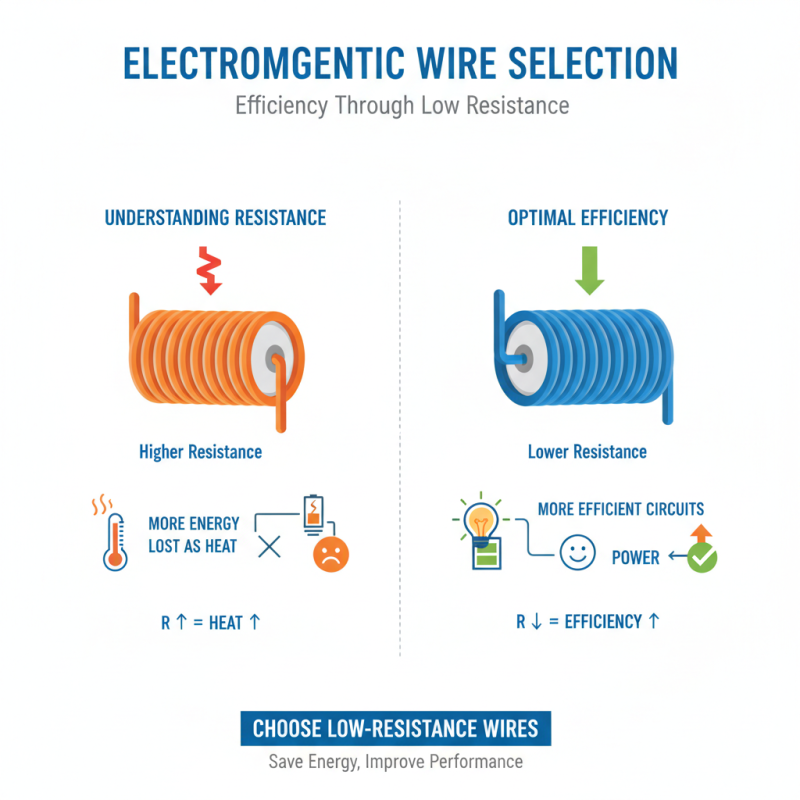
When selecting electromagnetic wire for a project, understanding electrical properties is crucial. Resistance measures how much a wire opposes the flow of electric current. A higher resistance means more energy is lost as heat. This is often overlooked. Choosing wires with lower resistance can lead to more efficient circuits.
Inductance is another key property. It relates to how a wire can store energy in a magnetic field. Higher inductance can be beneficial in certain applications, like transformers. However, it can also lead to complications, such as interference. Balancing these factors is not always straightforward.
Capacitance measures a wire's ability to store electric charge. It affects how quickly and effectively a circuit can respond to changes. This is important for timing applications. Sometimes choosing wires with the right capacitance involves trial and error. Making mistakes here is common, but it's part of the learning process.
Assessing Temperature Ratings and Insulation Materials for Wire
When choosing electromagnetic wire, temperature ratings and insulation materials are crucial factors. Each wire type has distinct temperature limits. Using a wire beyond its rated temperature can cause failures. Consider the environment where the wire will be used. Hot conditions may require higher ratings. Cold settings can lead to brittleness in some insulations.
Insulation materials also play a significant role in wire performance. PVC is common but not the most heat-resistant option. Silicone offers better heat tolerance but can be more expensive. Think about chemical exposure too. Some insulations resist oils and solvents better than others. This can affect the wire’s longevity and safety.
Evaluating these factors is not always straightforward. Specifications can get confusing. You may find yourself stuck between options. Remember to reflect on your project’s specific needs. A wire that works well in one scenario might not suit another. Don't rush this decision; it can impact your project's success.
Budgeting and Sourcing: Cost-Effectiveness and Supplier Reputation
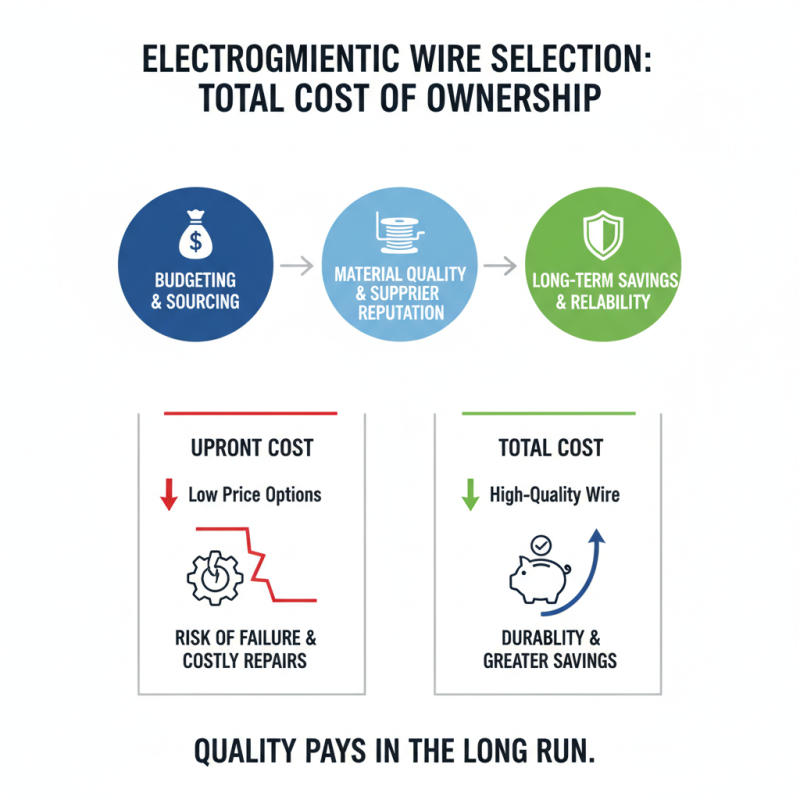
When selecting electromagnetic wire, budgeting and sourcing are essential. Cost-effectiveness relies on both material quality and supplier reputation. Recent industry reports indicate that high-quality wires can yield better long-term savings, despite higher upfront costs. It's vital to consider total cost of ownership. Sometimes, low-price options fail and lead to costly failures.
Tip: Research suppliers thoroughly. Look for those with positive industry reviews and reliable customer support. They often provide better warranties. The average lifespan of quality electromagnetic wire can be significantly longer. According to recent studies, high-quality wire can last up to 30% longer than cheaper alternatives.
Balancing cost with supplier reliability is crucial. Some manufacturers may offer cheaper options but compromise on standards. Always question why a product is less expensive. A low price may reflect inferior materials or inadequate certifications.
Tip: Compare multiple suppliers before making a decision. Use online forums or professional networks to gather insight. A recommendation from industry peers can highlight trustworthy options. It’s better to invest time in finding good suppliers than to face potential regrets later. Remember, the cheapest option might not be the best choice in the long run.