How to Choose the Right Coating Wire for Your Project?
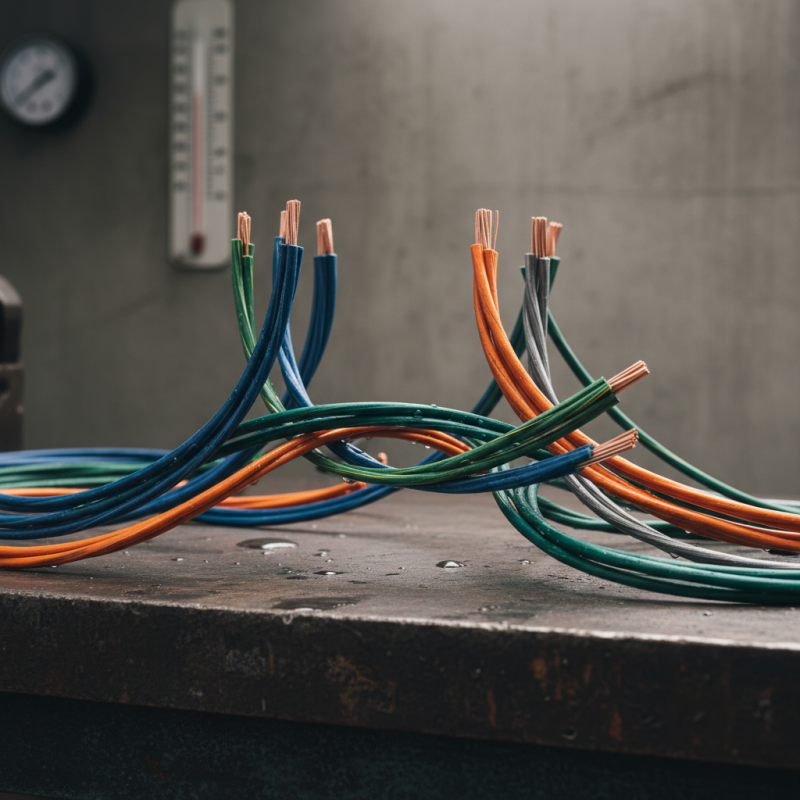
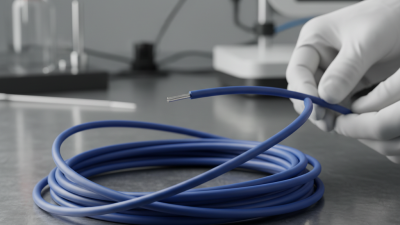
Choosing the right coating wire for your project can be challenging. Experts emphasize its importance. John Smith, a leading specialist in the coating wire industry, once stated, "The right wire can make or break your project." His insight showcases the critical role of selecting appropriate materials.
Consider the environment where the coating wire will be used. Factors like temperature and humidity can influence performance. For instance, using a wire that isn't suitable for high humidity could lead to corrosion. This might affect the longevity of your project.
It's also essential to evaluate the wire's application. Different projects require different types of coating. You could end up with a product that doesn’t meet your needs. Not every wire has the same level of conductivity or durability. Thus, understanding these nuances is vital for success.
Understanding Various Types of Coating Wires Available in the Market
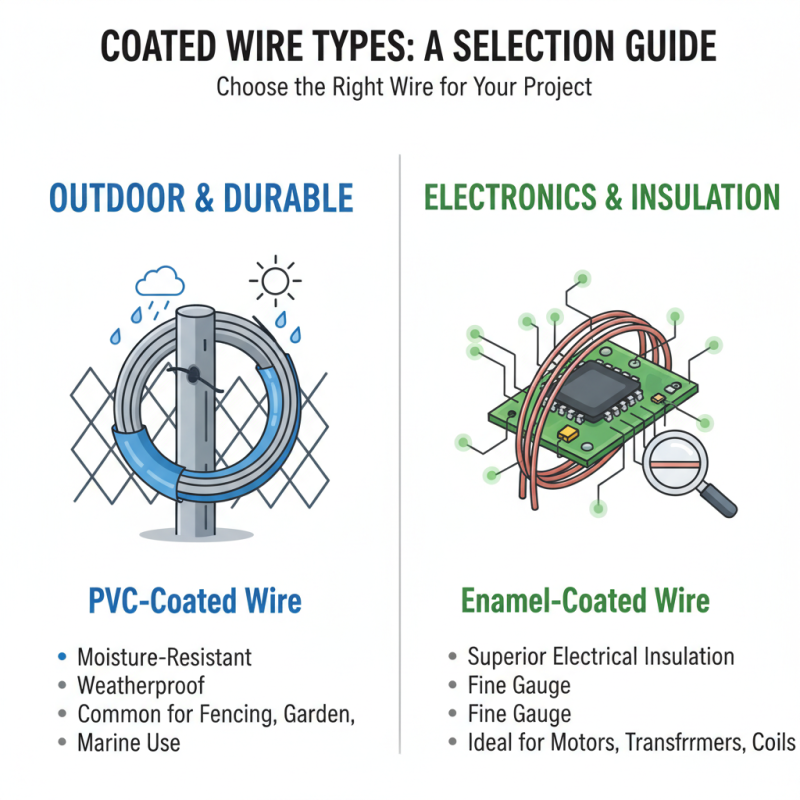
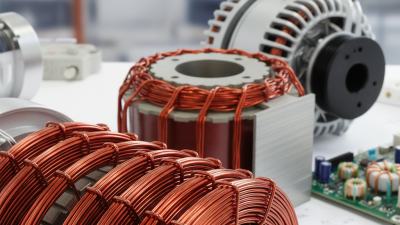
When selecting the right coating wire for your project, understanding the types available is crucial. Coating wires vary in material and application, which influences their performance. For example, PVC-coated wires are popular for their durability and resistance to moisture. They are commonly used in outdoor settings. On the other hand, enamel-coated wires offer excellent electrical insulation. They are suited for intricate wiring tasks, like in electronics.
Tips: Consider the environment. If the wire will be exposed to harsh conditions, pick high-resistance options. The diameter of the wire also matters. Thicker wires carry more current, but may be less flexible. This can limit your design choices.
Not all wires perform the same. Some may fray or peel under stress. Testing is essential before finalizing your choice. Inspect samples for wear and tear. This can save time and frustration during the actual project. Choose wisely, as the wrong wire can lead to failure or inefficiency in your task.
Evaluating Project Requirements: What to Consider Before Choosing
When selecting a coating wire for your project, it is crucial to assess specific requirements. The intended application defines many aspects. For example, the operating temperature range is vital. If the wire will operate above 200°C, consider materials like Teflon or silicone. These can withstand high heat. Conversely, if the wire is for low-temperature applications, other materials will suffice.
Electrical conductivity is another essential factor. Certain applications, like power transmission, require high conductivity. A report from the International Electrotechnical Commission indicates that using the right materials can improve efficiency by up to 15%. Moreover, the environmental conditions also play a role. Will the wire be exposed to moisture or chemicals? Certain coatings may not withstand such conditions.
Additionally, manufacturing processes need attention. Are you working with automated equipment or manual techniques? Different wires may perform better in these settings. There's an inherent complexity in ensuring the wire meets all these criteria. You may end up needing several prototypes to test performance and durability. It can be frustrating, but understanding the project's unique needs will guide you. Assessing these parameters leads to a more effective choice, ultimately optimizing project outcomes.
Comparing Material Properties and Their Impact on Performance
Choosing the right coating wire involves understanding material properties. Different materials yield different performance outcomes. For instance, a wire coated with nickel provides excellent corrosion resistance. This feature is vital in harsh environments. However, it lacks flexibility, which can be a downside. Flexibility is crucial for applications requiring bending or twisting.
Another option is a tin-coated wire. Tin enhances solderability and is easier to work with. It is reliable for electronic applications. Yet, it may not withstand extreme temperatures. This could lead to failures in critical situations. Inspecting temperature ratings is essential for safety.
These choices reflect trade-offs between durability, flexibility, and cost. Evaluating your project’s needs is not simple. Consider testing various coatings under real conditions. Gathering feedback can improve your decision-making process. Sometimes, what seems ideal on paper may not perform as expected.
Assessing Environmental Factors and Their Influence on Coating Choice
Choosing the right coating wire is crucial. Environmental factors significantly impact this choice. For instance, temperature fluctuations can affect wire performance. Coating materials behave differently under varying conditions. Research shows that extreme heat can degrade some coatings faster, leading to reduced longevity.
Humidity is another critical factor. High humidity levels increase the risk of corrosion. A study from the Coating Industry Association revealed that about 30% of coating failures are due to moisture. It’s essential to consider if your project will be exposed to wet environments. Coatings designed for humid climates can mitigate these risks.
UV exposure should not be overlooked. Prolonged sunlight can cause certain coatings to fade or crack. A report by the American Coatings Association found that 45% of coating issues stem from inadequate protection against UV rays. Selecting coatings with UV resistance can greatly enhance durability. However, this often comes at a higher cost. Reflecting on your budget versus project needs is vital.
Budgeting for Coating Wire: Cost Considerations and Options
Budgeting for coating wire involves several crucial factors. The cost of coating wire can fluctuate significantly based on the material used. For instance, stainless steel options tend to be more expensive than aluminum wires. According to industry reports, the average price for stainless steel coating wire ranges from $3 to $10 per pound, while aluminum wire can be as low as $1 to $5 per pound. This variance can significantly impact your overall project budget.
Consider your project's specific needs. The thickness and length of the wire will directly affect cost. Thicker wires generally demand a higher price due to material requirements. The length of the wire needed also contributes to total expenses. If you underestimate the required length, it can lead to additional costs later. A survey from the Wire Association International noted that 40% of projects faced budget overruns due to miscalculated wire lengths.
Additionally, be mindful of the coating process itself. Choosing the right coating method can add to your final costs. For example, electroplating may enhance corrosion resistance, but at a price. The process can add 20% to 30% to the wire’s initial cost. Always weigh the benefits against the expenses involved. Remember, an informed decision on coating wire can save resources and time in the long run.
How to Choose the Right Coating Wire for Your Project? - Budgeting for Coating Wire: Cost Considerations and Options
| Wire Type |
Material |
Coating Type |
Diameter (mm) |
Price per Meter ($) |
Application |
| Coated Steel Wire |
Steel |
Polymer |
1.2 |
0.50 |
Construction |
| Galvanized Wire |
Steel |
Zinc |
2.0 |
0.60 |
Agricultural Fencing |
| PVC Coated Wire |
Steel |
PVC |
1.6 |
0.75 |
Garden Fencing |
| Stainless Steel Wire |
Stainless Steel |
N/A |
1.0 |
1.00 |
Food Industry |
| Aluminum Wire |
Aluminum |
N/A |
1.5 |
0.45 |
Electrical Applications |