How to Choose Enameled Aluminum Wire for Your Projects?
Choosing the right Enameled Aluminum Wire for your projects is crucial. This material is widely used in various applications, including motors, transformers, and windings. A recent industry report from the International Wire and Cable Association shows that the global demand for enameled wire has grown by 5% annually over the past five years.
Experts highlight the importance of selecting high-quality Enameled Aluminum Wire. John Smith, an industry expert, once stated, "The quality of the wire directly impacts efficiency and longevity." This emphasizes the need to consider factors such as insulation type and wire gauge. Proper selection can lead to better performance in electrical applications.
While many options exist, not all wires are created equal. Potential buyers should evaluate specifications carefully. Low-quality wire can lead to increased resistance and heat. Balancing cost and quality remains challenging. Reflecting on past projects can guide better decisions in future purchases.
Understanding the Basics of Enameled Aluminum Wire Properties
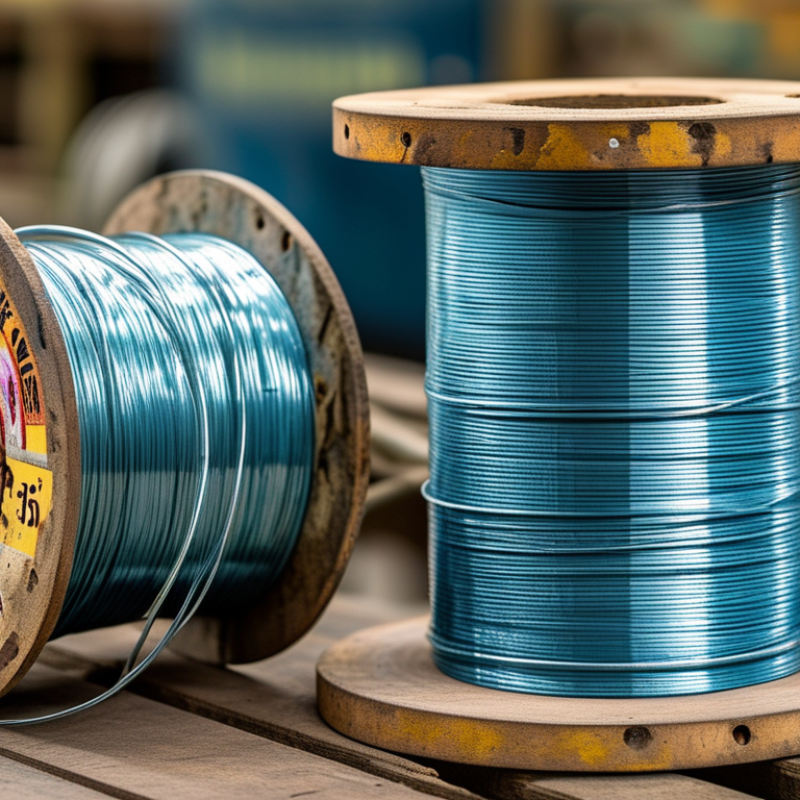
When selecting enameled aluminum wire, understanding its properties is crucial. Enameled aluminum wire typically features a thin, insulating enamel layer. This layer helps prevent short circuits and wear during operation. The wire’s ability to withstand high temperatures makes it ideal for various applications.
Enameled aluminum wire is lightweight yet strong. This strength allows for easier handling in intricate projects. Additionally, it exhibits good conductivity, though less than copper. Consider the wire gauge carefully. A higher gauge means a thinner wire which can be more flexible, but it also carries less current.
Choosing the right wire can lead to unexpected challenges. Not all applications may benefit from aluminum wire's lighter weight or rigidity. A common misconception is that aluminum will replace copper entirely. Both materials have distinct advantages and drawbacks. Reflecting on your specific needs is essential for success. Prioritize your project requirements to make an informed decision.
Properties of Enameled Aluminum Wire
Key Factors to Consider When Selecting Enameled Aluminum Wire
When selecting enameled aluminum wire, there are key factors to consider. The wire's gauge is crucial. Thicker wire can carry more current. However, it may be less flexible. Consider the application. If it needs tight bends, a thinner gauge might be better suited.
The insulation type adds another layer of complexity. Different coatings offer various thermal resistance levels. Some wires can withstand higher temperatures. Check the wire’s ratings. Ensure they align with your project requirements. Compatibility with connectors is also essential. Mismatched connectors can lead to failures.
Lastly, pay attention to the wire's mechanical properties. Strength and fatigue resistance influence longevity. Some wires may feel robust but can fail under stress. Evaluating these factors can prevent potential pitfalls in your project. Adapting these considerations gives a better chance for success.
Common Applications and Industry Standards for Enameled Aluminum Wire
Enameled aluminum wire has a wide range of applications across various industries. This type of wire is commonly used in electric motors, transformers, and inductors. Its lightweight properties and excellent conductivity make it a preferred choice. Many industries rely on these wires for efficient energy transfer.
When choosing enameled aluminum wire, consider the wire gauge and insulation type. The gauge affects the current-carrying capacity and resistance. Insulation materials vary and impact thermal resistance and durability. Pay attention to industry standards, as compliance ensures safety and reliability. Manufacturers often adhere to specific standards like UL and IEC to ensure product quality.
It's essential to reflect on the possible limitations of enameled aluminum wire. While it’s lighter, it can be less conductive than copper. Some applications may require heavier materials for better performance. Evaluating the specific needs of your project can guide you to the right choice. Prioritize your application requirements over brand recognition, as this is key to successful project outcomes.
Comparing Enameled Aluminum Wire with Other Conductive Materials
When choosing conductive materials for projects, enameled aluminum wire stands out due to its unique properties. Compared to copper wire, enameled aluminum is lighter and offers a similar conductivity, making it a valid option for many applications. According to research by the International Copper Association, copper has a conductivity rate of 100% IACS, while enameled aluminum reaches approximately 61% IACS. This lower conductivity can be a trade-off for weight and cost.
Enameled aluminum is also more corrosion-resistant than bare copper, thanks to its insulation layer. This makes it suitable for both indoor and outdoor applications. However, the insulation quality varies among manufacturers. Some reports suggest that inferior insulation can lead to issues like short circuits or failures in high-temperature environments. Awareness of these factors is vital for project success. Users should evaluate the wire's insulation rating thoroughly before making a purchase, as this impacts overall safety.
Another aspect to consider is the cost. Enameled aluminum typically costs less than copper, but the savings may come at the expense of performance. Users must balance cost with reliability. Depending on project needs, using enameled aluminum could lead to unforeseen complications, especially in high-efficiency settings. Understanding these trade-offs ensures a better fit for your specific requirements.
Evaluating Thermal and Electrical Conductivity Specifications
When selecting enameled aluminum wire, understanding thermal and electrical conductivity is crucial. Aluminum has decent conductivity, but its efficiency can vary. The wire's enamel insulation impacts heat dissipation. A thinner enamel layer may enhance heat transfer but could compromise insulation. Evaluating these factors is essential for optimal performance in your projects.
In practical terms, consider the application environment. High-temperature settings demand wires with excellent thermal ratings. Look for specifications that highlight the maximum operating temperature. For electrical conductivity, aim for fine wires, as they often exhibit better flexibility and lower resistance. Balancing these properties can be tricky and requires thoughtful analysis.
Many users overlook the effects of ambient conditions. Humidity and physical strain can alter conductivity levels. It’s wise to test wires in conditions similar to your project. Regular checks will ensure long-term reliability. Adapting to feedback and understanding material limitations will improve your selection process.
How to Choose Enameled Aluminum Wire for Your Projects? - Evaluating Thermal and Electrical Conductivity Specifications
| Wire Gauge (AWG) |
Thermal Conductivity (W/m·K) |
Electrical Conductivity (% IACS) |
Max Operating Temperature (°C) |
Application Examples |
| 14 |
205 |
61 |
155 |
Transformers, Motors |
| 16 |
207 |
56 |
155 |
Inductors, Coil Windings |
| 18 |
210 |
48 |
155 |
Speakers, Magnets |
| 20 |
213 |
45 |
155 |
Winding and Filament Applications |
| 22 |
217 |
42 |
155 |
Low-Power Electronics |