What is the Best Insulating Paint Coating for Wires?
When it comes to safeguarding electrical wires, choosing the right insulating paint coating wire is crucial. Insulating paint offers a barrier against moisture, dust, and other contaminants. However, not all products deliver the same level of protection or durability. Selecting a high-quality insulating paint can prevent short circuits and prolong the life of electrical components.
Many manufacturers provide various options, but effectiveness can vary based on the chemical composition. A reliable insulating paint should be resistant to heat and chemicals. It's important to understand the specific needs of your wiring system before making a choice. A little research can go a long way in ensuring safety and performance.
Remember, applying the correct insulating paint is just as vital as choosing it. Proper application techniques influence the effectiveness of the coating. Any negligence here can lead to issues down the line. So, take the time to learn about the best practices for application and maintenance.
What Makes Insulating Paint Effective for Electrical Wires?
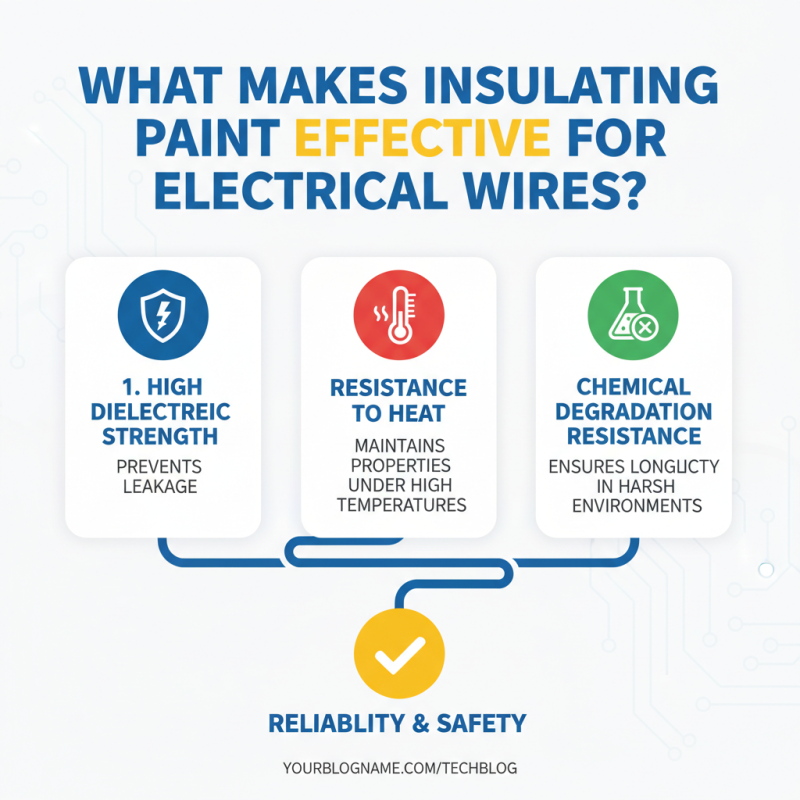
When it comes to insulating paint for electrical wires, effectiveness lies in several key factors. These paints must have high dielectric strength. This property prevents electrical current from leaking through the coating. Additionally, a good insulating paint should resist thermal and chemical degradation. This ensures longevity and reliability in various environments. The paint must maintain its insulating properties under heat or exposure to chemicals.
The application process is crucial as well. A thorough surface preparation enhances adhesion and effectiveness. If not applied correctly, the paint may peel or crack over time, diminishing its protective qualities. Various formulations exist, which can lead to confusion. Some may offer better insulation than others. Testing the insulation strength is often necessary and should not be overlooked.
While many options are available, finding the right balance of properties can be challenging. Each situation might require different traits, such as resistance to humidity or UV light. Seeking guidance from professionals can help clarify these needs. Often, minor errors in application or selection can lead to significant problems later. Ensuring the right choice of insulating paint is essential for safety and effective performance.
Key Properties of Insulating Coatings Used on Wires
Insulating coatings are crucial for protecting wires from environmental factors. These coatings enhance safety and increase wire longevity. A few key properties define their effectiveness. One major factor is electrical insulation. Quality coatings should resist electrical breakdown. This prevents shorts, ensuring safer operation.
Durability is another key property. The ideal insulating paint must withstand harsh conditions. It should resist moisture, chemicals, and UV exposure. Without proper durability, the performance of wires can decrease significantly. Moreover, some paints can chip or peel. This can expose the wire beneath, increasing risk.
Thermal resistance is essential too. Insulating coatings must endure high temperatures without degrading. If they fail under heat, wire insulation may weaken, leading to hazards. Consider temperature ratings when selecting a coating. Finding the right balance is crucial. An imperfect choice could compromise safety and efficiency. Reflecting on these properties helps in making an informed decision.
Comparison of Popular Insulating Paints in the Industry
When selecting the best insulating paint for wires, it is crucial to compare popular options in the market. Many insulating paints are designed to resist heat and prevent electrical conductivity.
Epoxy-based paints offer excellent durability and strong insulation properties. They can withstand high temperatures and protect wires in various environments.
Another option is silicone-based paints, known for their flexibility and high-temperature resistance. These paints adhere well to various surfaces and provide superior insulation. They are often used in areas exposed to fluctuating temperatures. It’s essential to consider the specific application needs when choosing an insulating paint.
Tips: Always test the paint on a small section first to ensure compatibility. Check for the manufacturer’s specifications on thermal resistance and insulation ratings.
Moreover, painting wires can seem straightforward, but it's vital to avoid common pitfalls. Applying too thick a coat can lead to poor adhesion. Waiting for proper drying time is essential to achieve the best protective layer. Each product may require specific application techniques, so following guidelines closely will yield better results.
Application Techniques for Optimal Insulation Performance
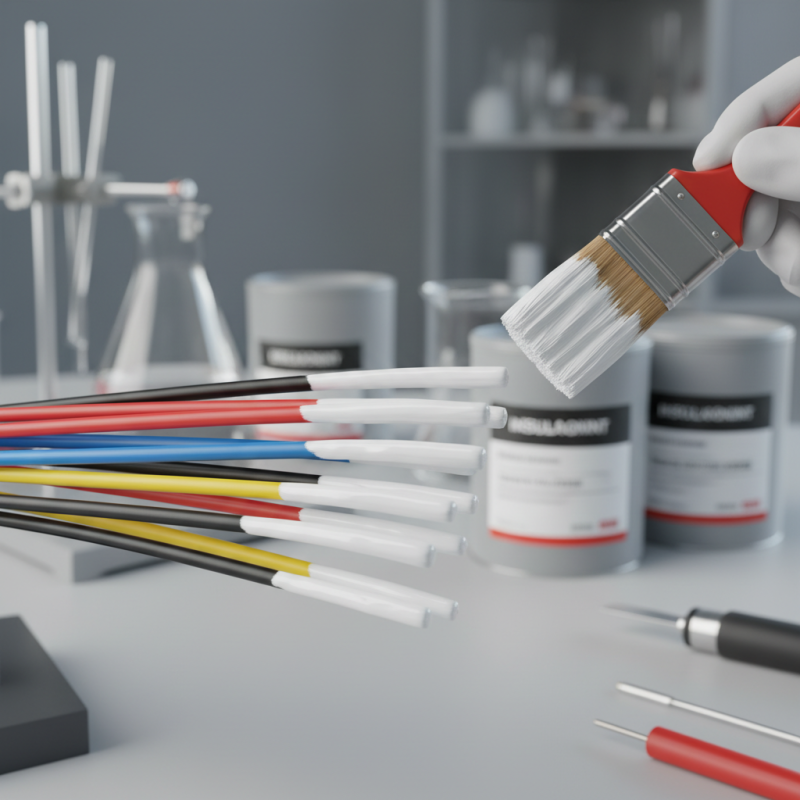
When applying insulating paint coatings for wires, proper technique is crucial for optimal performance. Begin by ensuring the surface is clean and free of dust. Any residue can hinder adhesion. Use a soft cloth or brush to wipe down the wires thoroughly. This small step can make a significant difference in the final results.
Choosing the right application method matters as well. Spraying is often recommended for an even coat, but it requires practice. Overlapping strokes help avoid missed spots. A steady hand is key. For those new to this process, it's advisable to test on a scrap surface first. This can highlight any potential issues in technique before the actual application.
Wires can be tricky due to their shapes. Pay attention to all crevices. Skipping these areas could compromise insulation. After application, allow the layers to dry completely. Rushing this step may lead to peeling later on. Consider the environment as well. Humidity and temperature can alter drying times, so adjust your plans accordingly.
Safety Standards and Regulations for Electrical Insulating Coatings
When selecting an insulating paint coating for electrical wires, safety standards and regulations play a crucial role. Insulating coatings must comply with the National Electrical Code (NEC) and the Underwriters Laboratories (UL) standards. These guidelines ensure that the materials used can withstand high temperatures and resist degradation from environmental factors. According to industry reports, coatings that meet these standards can reduce the risk of electrical shorts by up to 70%.
Additionally, the application of insulating coatings should follow specific safety protocols. It is essential to wear protective gear and ensure proper ventilation during the application process. The Environmental Protection Agency (EPA) recommends using low-VOC coatings to minimize harmful emissions. Inspecting the surface before application is vital. Dirt or moisture can compromise the coating's effectiveness.
Tip: Always test a small area before full application to identify any compatibility issues. This can save time and materials in the long run. Regular inspections of the coated surfaces can also help identify wear or damage early, maintaining safety and functionality.
Insulating Paint Coating Performance Comparison